What is driving the ATP Tour’s rapid global expansion?
From calendar overhauls to digital streaming and record crowds, the ATP Tour’s OneVision strategy is transforming men’s tennis into a truly global product — and 2026 may be its most ambitious year yet.
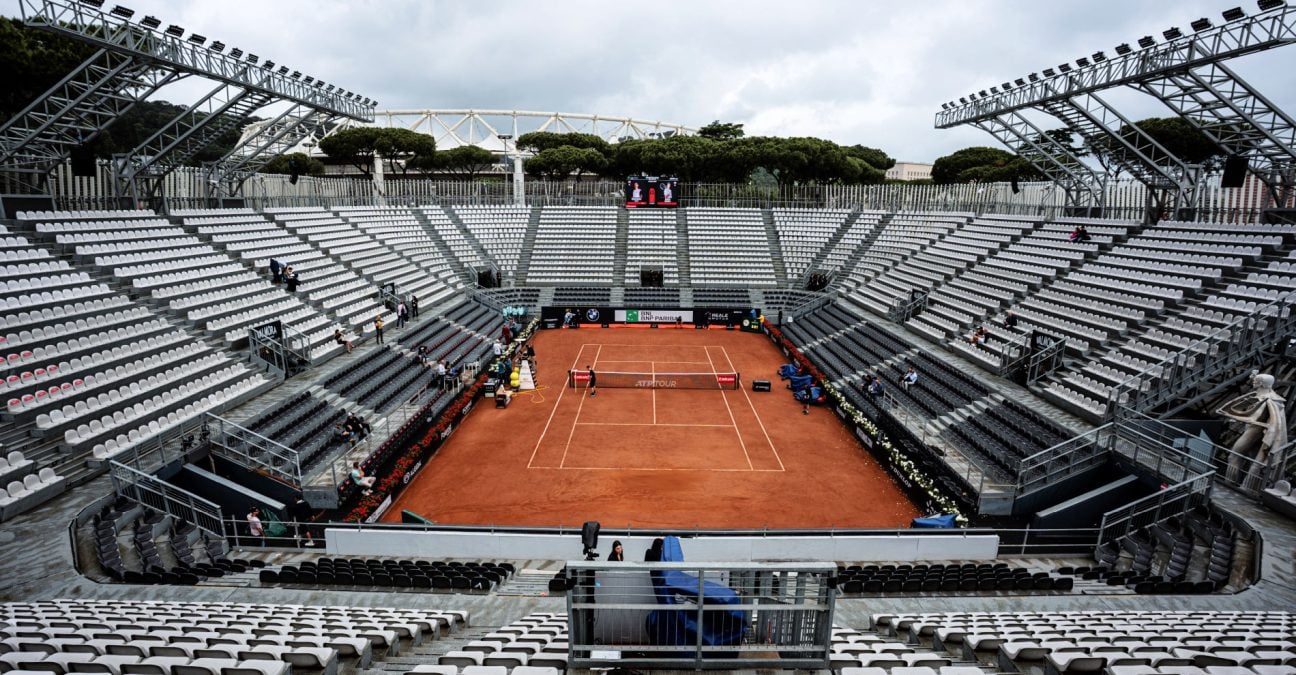 Rome, Foro Italico, 2025 | © Tennis Majors

The ATP Tour spans continents, cities, and cultures through a structured international tennis calendar. Expansion across regions reflects changes in scheduling, fan engagement, and tournament development. The current era shows how global sport evolves when governance, technology, and audience reach align.
A Tour Built Across Countries and Cities
Men’s professional tennis operates through a network of tournaments across multiple regions. The 2026 ATP Tour season includes 59 tournaments (+ 4 Grand Slams) staged in 29 countries. Each event contributes to a calendar that spans eleven months as players compete on clay, grass, and hard courts.
Nine ATP Masters 1000 tournaments form the highest level of regular tour competition. Sixteen ATP 500 events and 29 ATP 250 events fill the remainder of the season. Four Grand Slam tournaments sit alongside the tour structure and shape the wider competitive year.
Cities across Europe, Asia, North America, and South America host these competitions. Rome, Cincinnati, Shanghai, and Paris continue to invest in venues and facilities, while tournament standards across categories are increasing.
Attendance figures reveal a strong international reach. The ATP Tour welcomed 5.55 million spectators on-site during the 2025 season. Broadcast distribution expanded worldwide through ATP Media while matches reached viewers across television and streaming services.
Structural Reforms Strengthen the Tour
Reforms introduced through the ATP OneVision strategy reshape the tour structure and support long-term stability. Several tournament categories now operate with updated formats and scheduling systems.
Most of the Masters 1000 events expanded toward 96-player draws in recent seasons. These changes allow deeper fields while giving additional players opportunities to compete on the largest stages.
The ATP Tour calendar for 2026 reflects adjustments across multiple events. Estoril returns as an ATP 250 tournament scheduled for July. Marseille moves from February to October, while Stockholm shifts from October to November.
Another event in Metz leaves the calendar entirely. Player welfare reforms accompany these structural changes. Ranking calculations now include eighteen countable events instead of nineteen. Technology upgrades also shape tournament operations. Video review expands to ATP 500 courts while live electronic line calling operates across tour events.
Online Platforms Expand Tennis Visibility
Global visibility for tennis continues to grow through digital media and broadcast distribution. ATP Media delivers matches to broadcasters and streaming platforms that reach a worldwide audience. Television coverage works alongside digital platforms where highlights, interviews, and match clips circulate rapidly.
Streaming services allow viewers to watch matches across multiple devices while tournaments remain accessible in many regions. Online discussions, highlights, and analysis circulate across social platforms within fan communities.
Another digital engagement channel emerges through specialised sites focused on sports wagering and match coverage. The best sites covering tennis betting provide options such as live betting, match streaming, and sports rewards. They carry odds for ATP and WTA competitions, while listings include ATP Doubles, Challenger events, Challenger doubles, and all ongoing and upcoming major tennis tournaments.
These digital systems keep audiences connected with matches across the global calendar while the sport maintains steady visibility through modern media channels.
Calendar Development Shapes Global Reach
Tournament scheduling influences how the ATP Tour expands into new regions. The calendar blends long-established European events with tournaments across Asia, North America, and the Middle East.
The Nitto ATP Finals continue in Turin, where the season concludes each year. Jeddah hosts the Next Gen ATP Finals, which highlight emerging professional players.
Team competitions introduce further international cooperation. The United Cup is operated through a partnership among ATP, WTA, and Tennis Australia. Two additional events, the Laver Cup and the Davis Cup, feature national representation.
Long-term planning includes adjustments to tournament licences across the calendar. The ATP reacquired the licences for events in Chengdu, Hong Kong, Metz, and Moscow. These tournaments fall within the ATP 250 category.
Expansion across regions continues when cities host events, and audiences follow matches across digital and broadcast networks. The ATP Tour reaches new communities through tournaments, online coverage, and international competition while men’s professional tennis maintains a presence across continents.





More tennis news
September 13, 2010: The day Rafael Nadal completed the career Grand Slam


Don’t celebrate until you separate: The Nadal call behind Shelton’s final


Zverev cannot lose this on paper, which is exactly his problem

“I’m not getting younger” – Rybakina’s priority for 2027 is not the career Grand Slam, but health

“It doesn’t feel real”: Rybakina’s ups and downs in New York end with the US Open title