Sleep, adrenaline and the long march to Roland-Garros: Inside Jannik Sinner’s fatigue management
Jannik Sinner has spent the Madrid Open quietly admitting he is tired. With Rome and Roland-Garros looming, the world number one is navigating a familiar dilemma, and a familiar illusion.
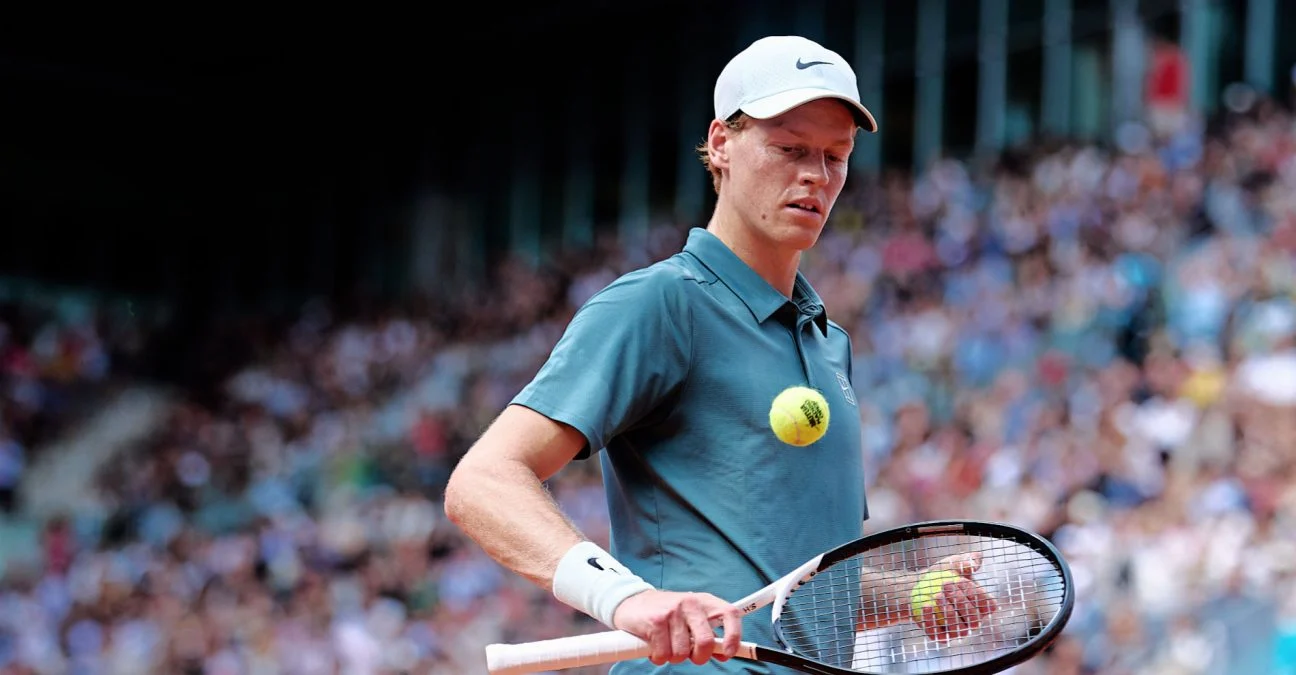 Jannik Sinner, Madrid 2026 | © Madrid Trophy Promotion

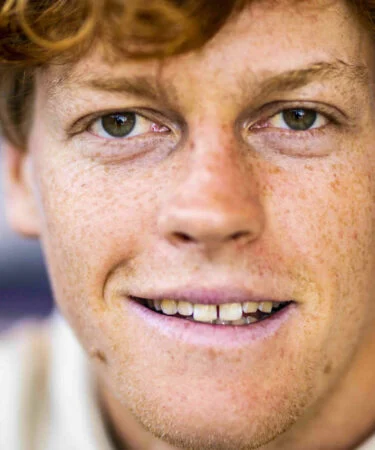
He didn’t blurt it out. Jannik Sinner rarely blurts anything out. But across four press conferences in Madrid, the world number one let the same theme surface again and again, in slightly different shapes: he is tired.
After dispatching Rafael Jodar in the quarter-finals, the admission came almost in passing. “I am starting to get a bit tired also,” Sinner said, before adding the line that gives the whole week its texture: “When I get a bit tired, sometimes the attitude is not the right attitude. I’m trying to be as good as I can. I think I have still margin to improve also from that point of view.”
“felt quite fresh this morning”
It is a strikingly honest sentence from a player whose public default is unflappable. It is also a window into the central tension of Sinner’s clay swing: how to manage a body that has barely stopped since Indian Wells, while still chasing the one Slam that has eluded him.
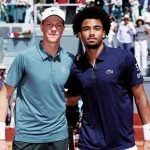
After his semi-final win over Arthur Fils, the same theme returned in a softer key. Sinner credited sleep as his primary recovery tool. “This night has been a very, very good sleep, a lot of hours, felt quite fresh this morning”, he said. He also highlighted adrenaline as the bridge that carries him through the deep ends of tournaments. “When you play big matches, like semis, quarters, finals, there is also adrenaline a little bit, and then in between, here in Rome, I try to recover again as much. And then we see.”
That last sentence is the giveaway. Sinner is already mentally pencilling in Rome as a recovery exercise as much as a tournament.
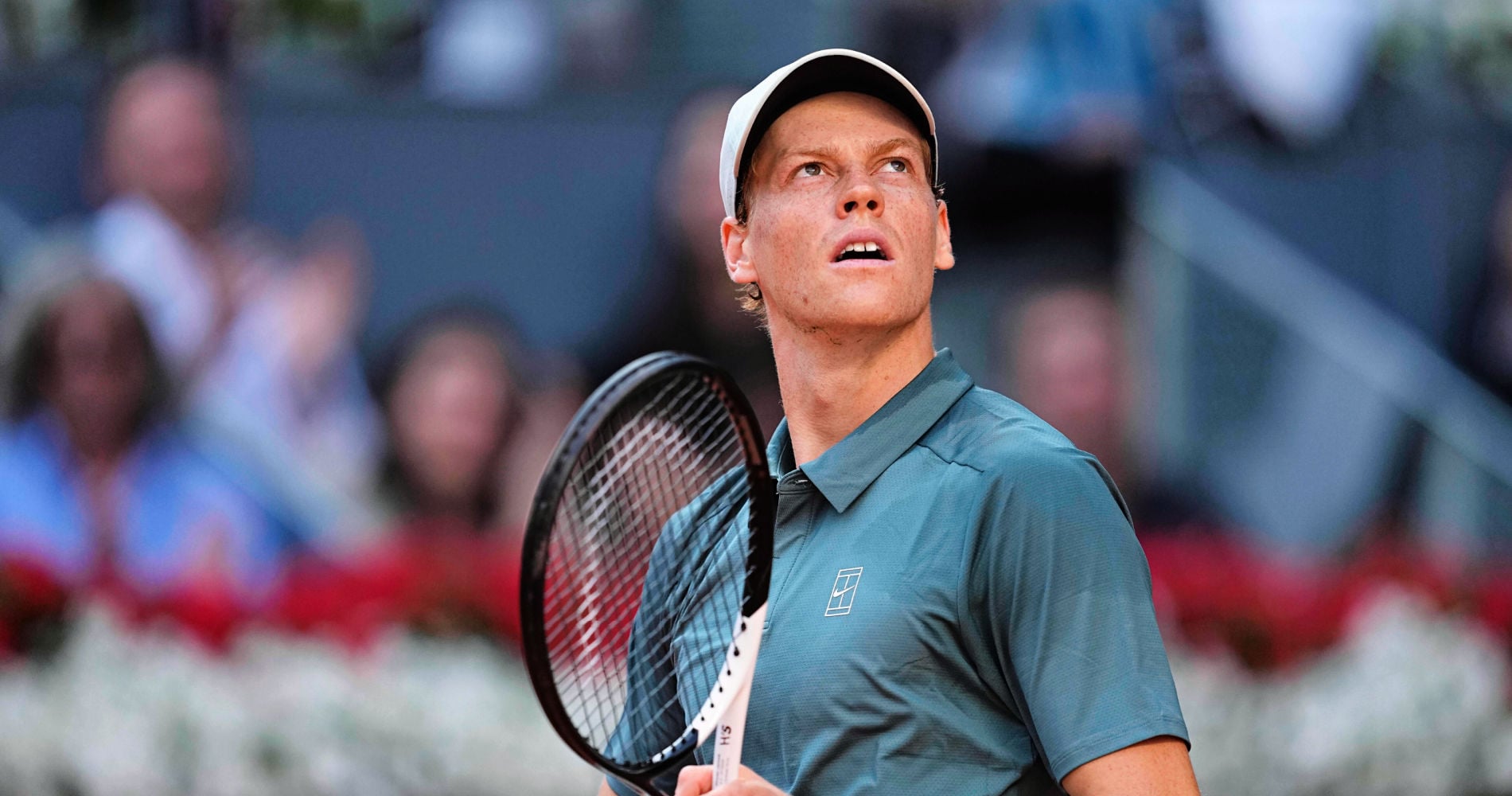
Is skipping Rome an option?
The question, then, is whether he could simply pull out. Carlos Alcaraz, “listening to (his) body”, has made calendar pruning a habit, he won the last two Roland-Garros titles after skipping Masters 1000 events to manage his body. The logic is sound, the precedent is fresh, and Sinner’s own words almost invite it.
But the answer, in his case, could only be no. Rome is the home Slam-adjacent event. He has never won it. The crowd, the federation, the broader Italian sporting moment that has crystallised around him, none of it survives a withdrawal. So he goes – with, if he wins Madrid on Sunday, five days between lifting one trophy and walking out for his Rome opener.
The Madrid scheduling has not helped. In his third-round press conference, Sinner broke from form to criticise late-night scheduling on the tour: matches finishing past 1am, players not in bed until 4 or 5, the cascade through the next day’s recovery. “I think we can do better, definitely, in this point of view.”
45 matches in 20 weeks?
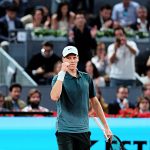
What complicates any reading of all this is that Sinner being visibly stressed on court is not, historically, a reliable indicator of trouble. In the second set against Jodar he looked stretched, the body language tense, the match seemingly poised to slip into a third. He won 7-6. It is a familiar pattern.
There is also the deeper context that he never quite says aloud. Sinner has not lost a match since Indian Wells. Since the Australian Open in mid-January, he has played 31 matches in 14 weeks – Australian Open semi-finalist, Doha quarter-finalist, Indian Wells and Miami champion, Monte-Carlo champion, and now a Madrid finalist.
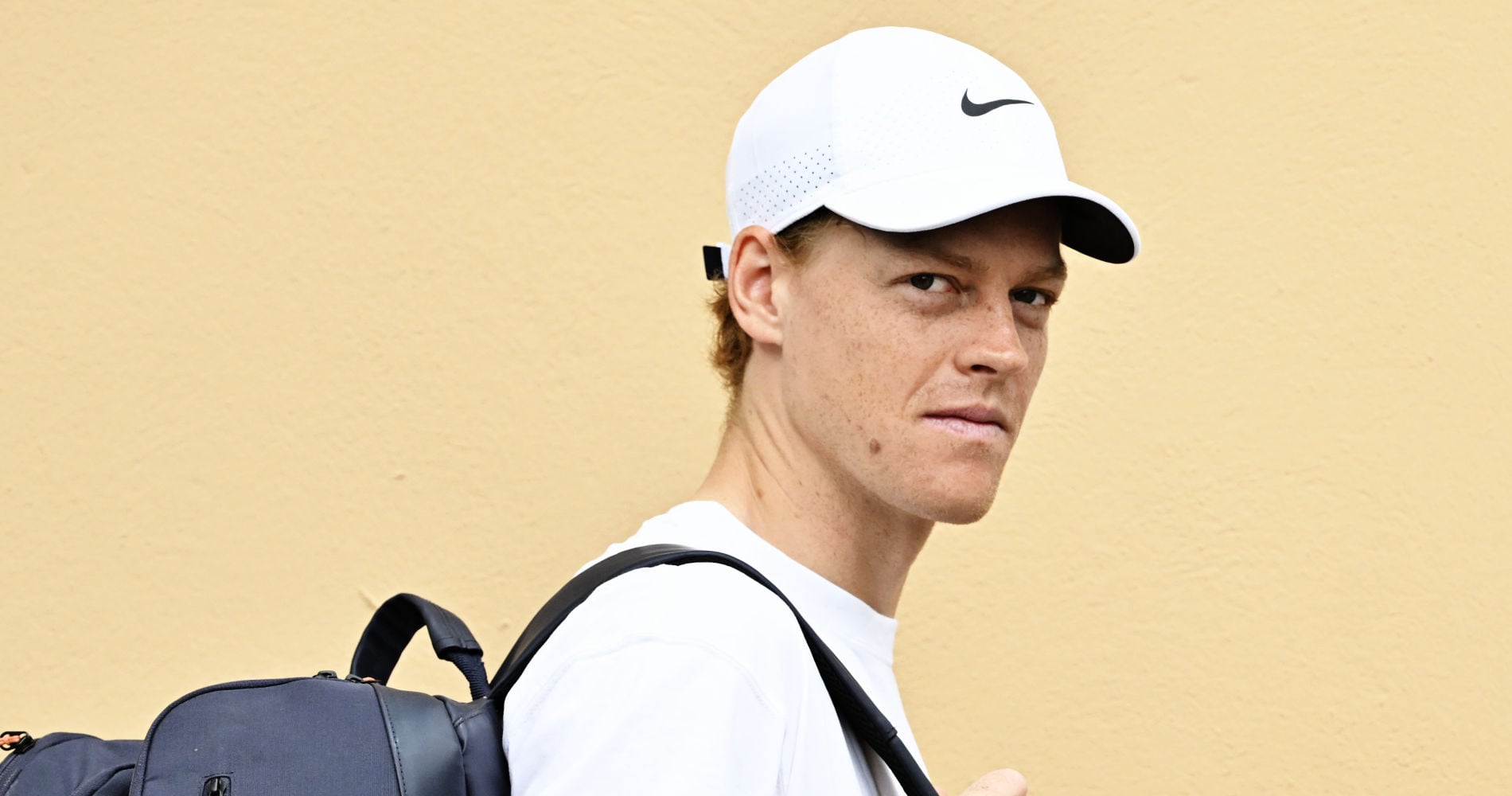
If he wins his way through the rest of the clay swing – Madrid final Sunday, Rome starting Wednesday, then Roland-Garros – he will play up to 14 more matches before the French Open final on June 7. That would make 45 matches in just under 20 weeks, with no genuine rest week between Madrid and Paris.
For now, Sinner is managing rather than denying. Sleep where he can, adrenaline when he must, Rome as a half-tournament half-tune-up, and Roland-Garros as the only target that really matters in the next month. Whether the calculation holds depends on something that no press conference answer can resolve: whether the body, after eight straight weeks of high-stakes tennis, agrees with the plan.