“Coaching? Never say never, but not now” – Federer’s words on his future role in tennis
Roger Federer addressed his future in tennis, at a press conference during his Hall of Fame induction weekend, saying coaching is “not now” given family and current projects, but that he’s open to it down the line. He also touched on television and a strong desire to mentor younger players, while revealing his approach to writing his induction speech.
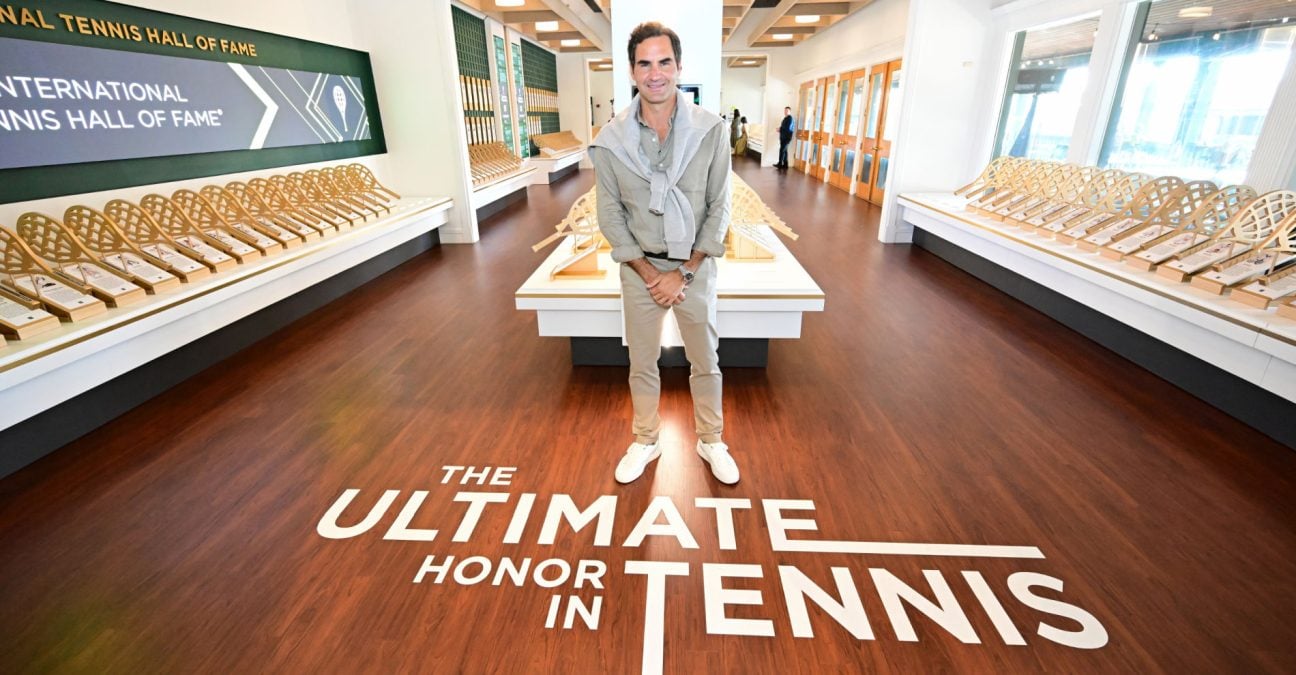 Roger Federer, Hall of Fame | © IHFT

Roger Federer closed his International Tennis Hall of Fame press conference on Friday, by addressing what comes next for him beyond tennis, in an answer that touched on coaching, television and mentoring without committing to any of it just yet.
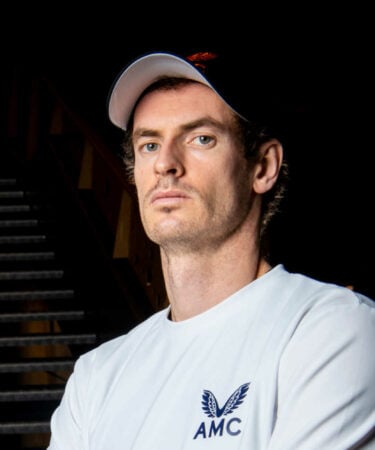
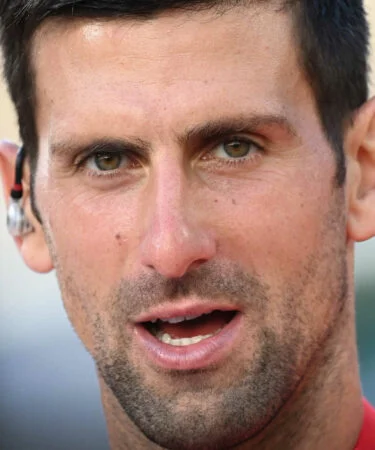
The question asked was whether Federer would ever consider coaching – pointing to Andy Murray’s recent stint helping Novak Djokovic, and to Andre Agassi and Boris Becker’s own moves into the corner box – and what other projects, beyond his Laver Cup involvement, Federer might pursue over the coming decades.
On coaching specifically, Federer was clear that it is not something he is ready for right now. “Coaching at the minute, no, just because I’m too busy and kids need my undivided attention, plus I have too many projects, and I love my time and my life with my wife, so I don’t wanna change that at the minute,” he said. But he stopped short of ruling it out for good.
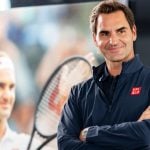
“Never say never,” he said, pointing to his own former coach as proof that plans can change. “Stefan Edberg never thought he was gonna coach, and then all of a sudden he got sucked into my world for two years, and we had the best of times.” Federer noted that the role would demand a serious time commitment – being on standby for majors and tournaments for roughly twenty to twenty-five weeks a year – in order to genuinely help a player.
Television, he suggested, is a slightly more live possibility. “Don’t know. Kind of was into it, thought of maybe one day, when I was talking in London, in my retirement speech,” Federer said. “Feel very comfortable now — that’s not commentating, but who knows.”
Federer mentoring players rather than coaching?
The clearest and most immediate pull, he said, is toward mentoring younger players rather than a formal on-court or broadcast role. “I would love to still support in some shape or form — juniors and mentoring down the road. I’m always open for that,” he said, adding that he would be willing to help through Swiss tennis or academies, including Rafael Nadal’s, “if they need my help.”
He said staying connected to the sport by attending several events a year serves a dual purpose. “I would like to give back to the sport. That’s why I also try to personally attend three, four, five events throughout the year, so I stay connected. And it also rejuvenates me, I think, mentally, to see, okay, what could I be doing in the sport that is also meaningful down the road.”
Federer struck a similar note of independence when asked earlier in the press conference about his induction speech, set for Saturday. A reporter noted that he has delivered several memorable speeches before — his emotional Laver Cup retirement address, as well as commencement speeches at Dartmouth — and asked whether he had drawn on past Hall of Fame induction speeches for inspiration while writing this one. Federer said he had deliberately done the opposite.
I just wanted to come in and have my own take on what I wanna say.
“I did not watch many of the Hall of Fame speeches, same as Dartmouth, just because I didn’t want to be affected by what has been said and what they have done,” he said. “I just wanted to come in and have my own take on what I wanna say.” He admitted the process had not come easily. “For me personally, it wasn’t very straightforward where I wanted to go with the speech. So I’ve been working on it, and I feel like I’m in a good place now. Obviously still not spotless — I still want to tweak it some and work on it and have some thoughts.”
Federer also spoke about the pressure of the occasion itself, comparing it to speaking in front of family rather than a graduating class. “It’s nerve-wracking. It feels like the tennis world is watching, and how do you explain it — it’s like your family watching,” he said. “That’s extra weight, extra importance.” But he returned to the same guiding principle he applied to his career. “Maybe it’s similar to my career — I want it to be my career, and not someone else’s, or a copy of someone else’s, even though learning from others is a great thing,” he said. “In this instance I would love to be as free as possible and not be put into this corridor.”