ATP Ranking overhaul could put more pressure on players to perform at Masters 1000 events
A ranking system shapes far more than a weekly list. It influences scheduling, recovery periods, prize targets, and the level of risk players accept across a long season. The ATP’s proposed 2028 overhaul would shift that balance in a clear direction by making every Masters 1000 result count in full. That single change could alter … Continued
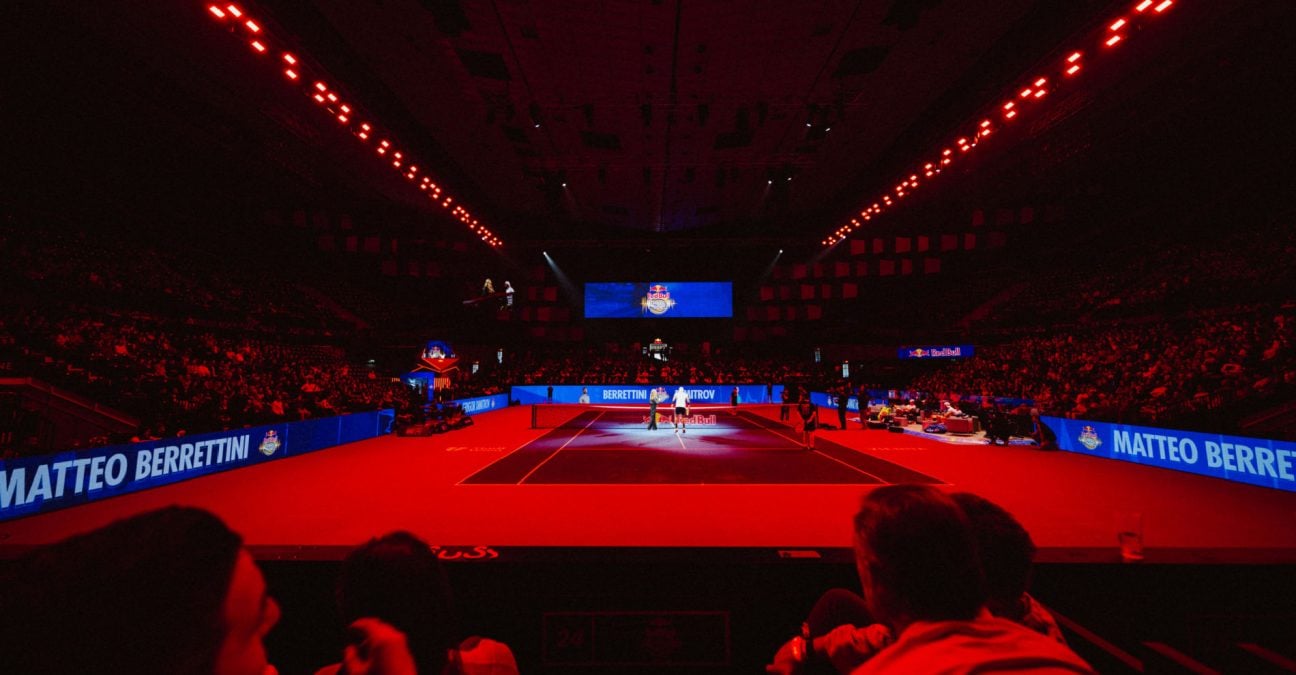 Vienna Center Court, 2026 | © Gepa / PsNewz

A ranking system shapes far more than a weekly list. It influences scheduling, recovery periods, prize targets, and the level of risk players accept across a long season. The ATP’s proposed 2028 overhaul would shift that balance in a clear direction by making every Masters 1000 result count in full. That single change could alter how top players plan their year, how lower-tier events fit into the calendar, and how much pressure lands on the sport’s biggest non-Slam stops.
With bigger bonus payments also on the table, the discussion is no longer limited to points. It now reaches performance, health, and the broader structure of the men’s tour.
Player Reactions and What Analysts May Watch Closely
Some players have already signaled support for a system that places more value on the biggest regular tour events. Daniil Medvedev has been among the names linked to that line of thinking, and the logic is easy to follow. If the tour wants Masters 1000 events to carry more weight, the ranking formula should reflect that. At the same time, support for stronger Masters events does not remove concern about the physical load tied to the extended 12-day formats now seen at several stops. That issue remains live, especially for players trying to manage deep runs across back-to-back weeks.
From an analysis point of view, those reactions matter because they can shape tournament results and pre-event odds in a very direct way. A player who openly backs the system may still question the calendar strain, and that tension can affect preparation, effort levels, and recovery choices. The odds will be tracked closely across online sportsbook UK sites, and those moves can become more visible when player reactions hint at confidence, fatigue, or caution before a Masters 1000 event. For analysts, that kind of signal is valuable because it adds context to form and scheduling.
Another part of the discussion is consistency. If players know every Masters result will stay on the ranking record, public comments can carry added weight during the season. A strong statement of support may suggest readiness for bigger stages, while concern over physical demands can point to possible volatility. That does not decide outcomes on its own, but it gives analysts another layer to monitor as the new system takes shape.
Why Removing the Replacement Rule Changes the Stakes
The largest structural change in the proposal is the end of the replacement rule. Under the current setup, players can replace up to three weaker results from the eight mandatory Masters 1000 events with stronger points earned at ATP 500 or ATP 250 level. That option has acted as a safety valve. A poor week at a major event did not always damage a ranking position if a player recovered later at a smaller tournament.
Once that protection disappears, every Masters 1000 campaign carries full weight. An early loss in Indian Wells, Madrid, or Shanghai would stay on the record. Players would lose one of their main tools for damage control, and the rankings could become less forgiving across the season. That places greater value on reliability at the top tier rather than volume elsewhere.
Andrea Gaudenzi has said the aim is to stop players from adding lower-tier events after early defeats simply to chase replacement points. From the ATP’s view, that creates a cleaner system and directs attention toward its premier events. For players, though, it means fewer ways to recover from a bad draw, a minor injury, or a poor stretch of form. The pressure on each Masters appearance would rise immediately.
A Tour Calendar Built More Heavily Around Masters Events
The proposed ranking changes make more sense when viewed beside the future schedule. The ATP plans a calendar featuring 10 Masters 1000 events, including a proposed new stop in Saudi Arabia, along with 8 weeks of ATP 500 events and 10 weeks of ATP 250 tournaments. That setup gives Masters tournaments an even stronger position within the season’s structure.
Players currently build rankings from their best results across 18 regular-season tournaments, plus the ATP Finals for those who qualify. Within that framework, expanding the importance of Masters events creates a sharper divide between the top tier and the rest. A strong run at several 1000-level tournaments could become harder to offset, while weaker Masters returns may prove costly even for players who dominate smaller events.
This could also reshape decisions about participation. Some players may reduce lower-tier appearances because those events will offer less room to repair damage. Others may still enter them for match rhythm, but with a different purpose than before. The calendar would still have space for 500s and 250s, yet the rankings would send a firmer message about where the season is truly judged.
Bigger Rewards May Ease Resistance but Won’t Remove the Strain
The ATP is pairing its ranking proposal with a major financial package. Total player compensation outside the Grand Slams is projected to reach $350 million by 2028. The year-end bonus pool tied to top-ranked players at Masters events is set to rise from $21.5 million to $50 million. On top of that, players ranked inside the top 250 would share a $25 million year-end rankings bonus, while player pensions would receive $30 million in support.
Those numbers matter at a time when leading figures, including Jannik Sinner, have been linked to broader concerns about prize money at the French Open and Wimbledon. The ATP does not run the Grand Slams, yet it is clearly trying to show that the regular tour can offer stronger financial backing and career support. Gaudenzi said annual central investment in player compensation and support would move beyond $100 million from 2028.
Even so, higher rewards do not solve every concern. A system that asks players to peak more often at long Masters events still raises questions about wear and tear. Better bonuses may soften pushback, but they do not change the physical facts of the schedule. Betting sites will also have to watch how players handle the extra pressure, especially as fatigue starts to affect results and odds. The debate is likely to remain split between opportunity on one side and workload on the other.
The ATP is trying to make Masters 1000 events the clearest measure of regular-season strength. If that plan goes ahead, rankings may become simpler on paper but tougher in practice, with far less room for players to recover from a single bad week.