“They just put out a press statement”: inside Roland Garros’s prize money crisis and what could come next
They have no official name, no press office and no public platform. But Project RedEye – the informal alliance of tennis’s twenty biggest names – is running out of patience with the Grand Slams.
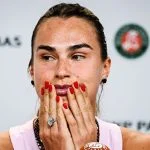
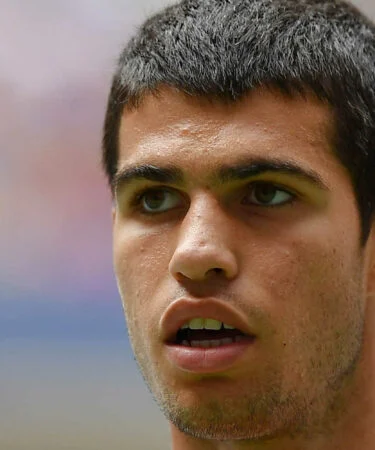
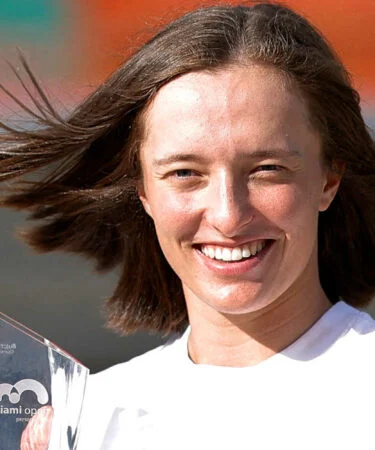
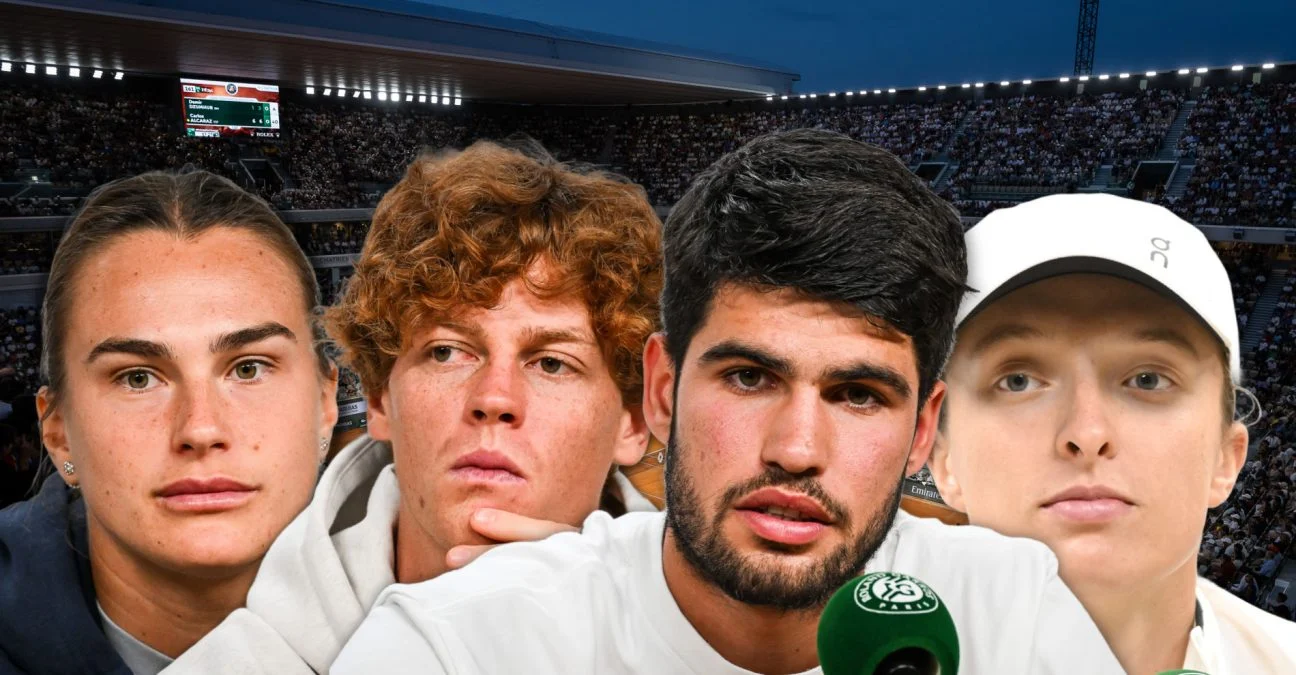 Sabalenka, Sinner, Alcaraz and Swiatek are among the players demanding more from Roland Garros. | © Tennis Majors / PsNewz

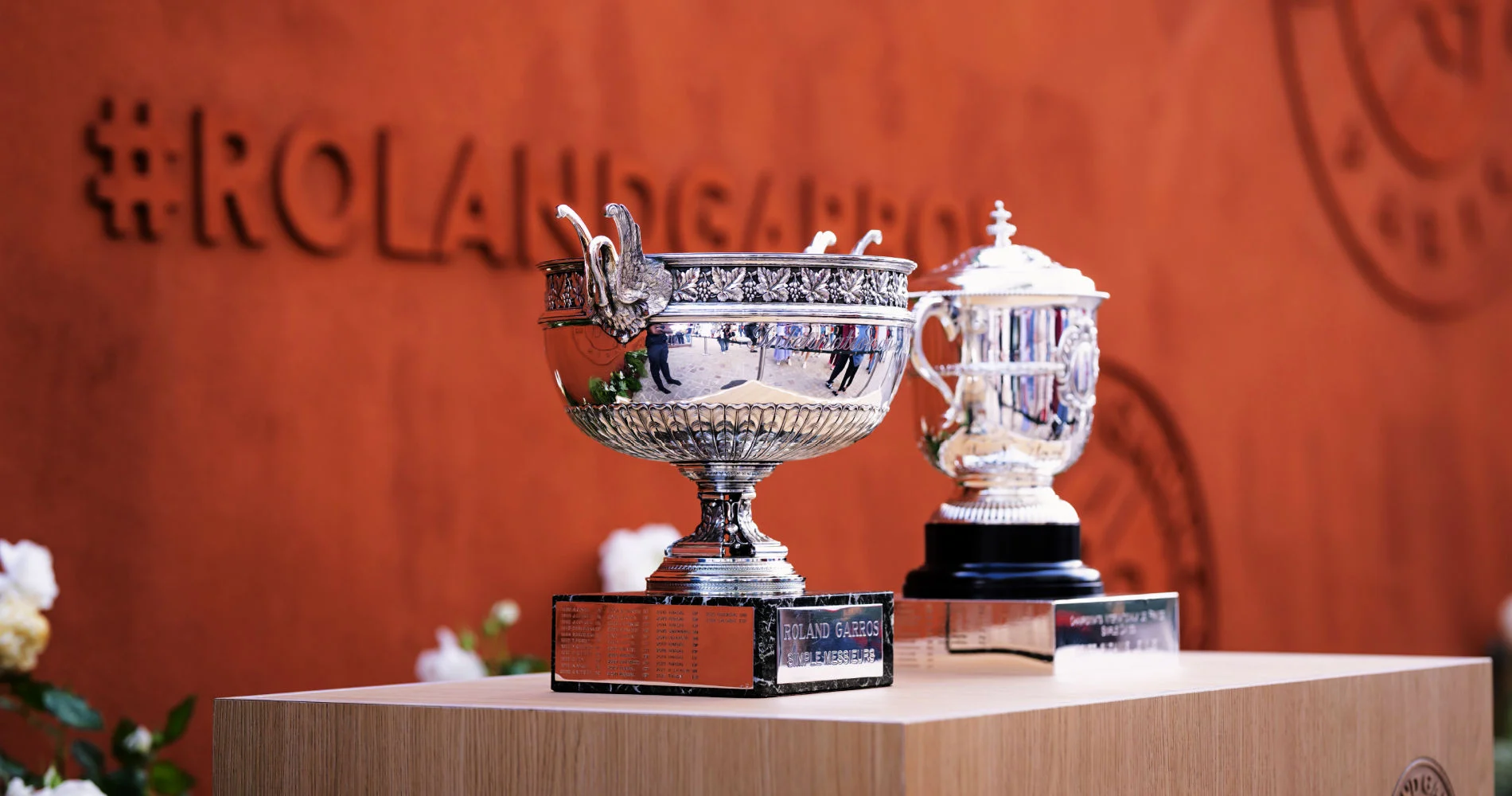
When Roland-Garros published its 2026 prize money figures on 17 April, the French Tennis Federation did what Grand Slam organisations do best in such circumstances: it emphasised the headline number, the record total, the percentage increase. A 9.5% rise on 2025 — the highest growth rate in three years at the clay Slam, which has increased player revenues by roughly 89% over five years. A good story, told well.
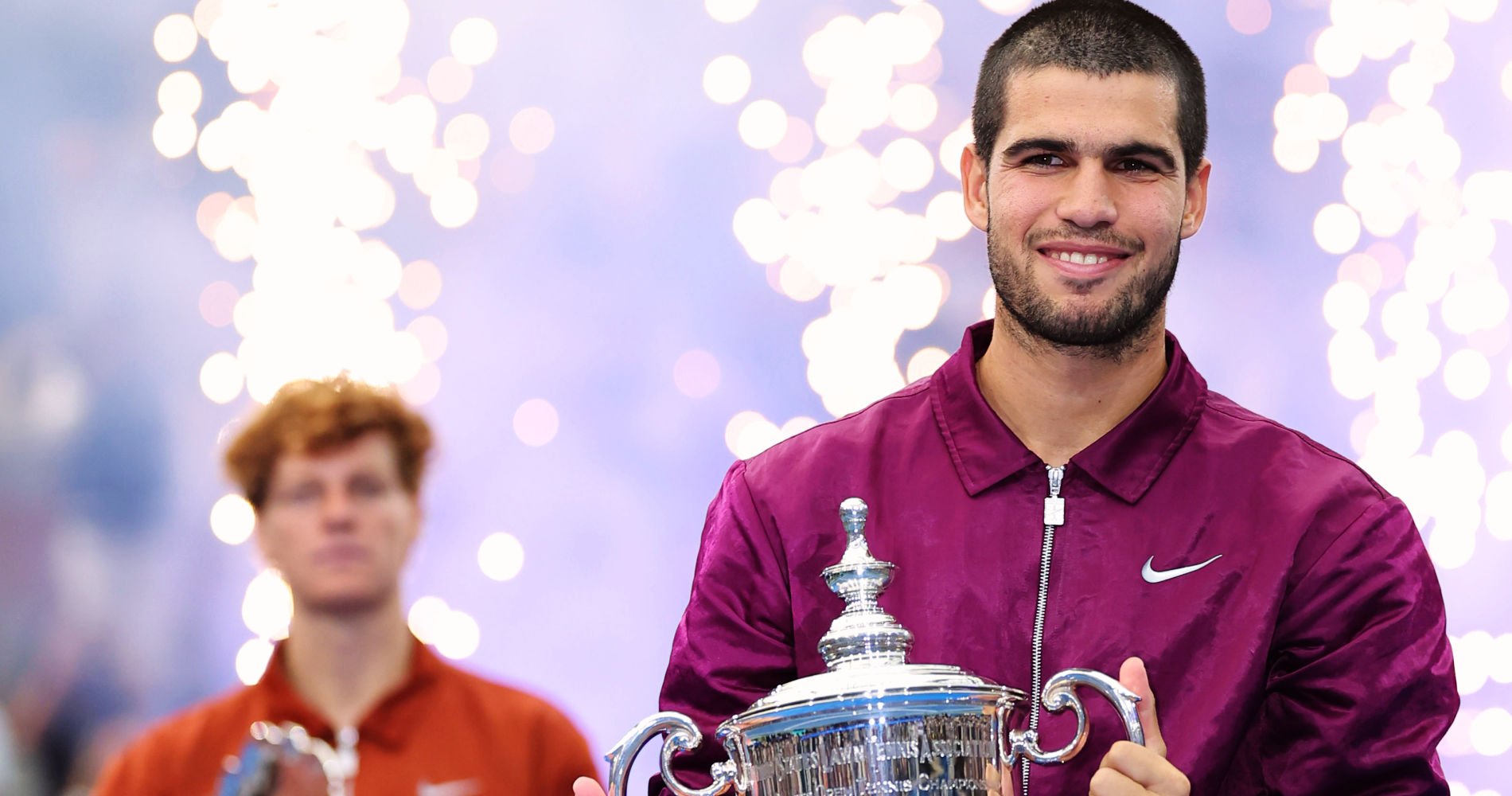
Behind the scenes, those same numbers produced anger, a sense of contempt and a feeling of disrespect among Jannik Sinner, Carlos Alcaraz, Aryna Sabalenka and the vast majority of the world’s leading players. The frustration, expressed on Sunday in a formal statement, had two sources.
First, the increase still falls well short of what players believe they are owed in the context of tournament revenue growth they understand to be around 14% year-on-year.
Second, and perhaps more damaging: they had not been informed, contacted or consulted in any (sufficient) form by the Roland-Garros executives.
Back to Roland-Garros 2025
They had thought they made themselves clear a year ago. The week before Roland-Garros 2025, the central story in tennis corridors was a confidential meeting at which the sport’s elite delivered a simple message: they expected a significantly higher share of revenues and a far greater commitment to career welfare.
Here is what Tennis Majors understands, after consulting sources close to the players. Tennis players are frustrated by the 22% revenue share that the ATP and WTA already apply at their leading tournaments. The 13 to 15% that the Grand Slams, for all their commercial power, direct toward players is, in the eyes of many, close to an insult.
Tension is near its peak. The PTPA, an organisation established to defend player interests, sued all of tennis’s governing bodies in 2025 – Grand Slams included – to win greater financial rights and push the sport closer to the business and governance standards of other major professional leagues. The group of elite players that coalesced around these same demands is distinct from the PTPA’s legal effort, but the underlying cause is the same.
Not enough from the US Open and the Australian Open, but movement
Roland-Garros’s increase, and its absence of prior consultation, is seen as a serious setback in a struggle that began more than a year ago. The origins go back to the end of March 2025, when the players wrote collectively to all four Grand Slams. A meeting followed at Roland-Garros itself, attended by senior player representatives including Sinner. Sabalenka has been reported as among the most active participants. The campaign has been coordinated by Larry Scott, a former WTA chief executive who has served as a trusted liaison between the players, their agents and the Grand Slams.
Further meetings took place at the US Open in September. The players felt they had achieved reasonable movement at both Flushing Meadows – where prize money rose 20%, helped by the commercial boost of the new mixed doubles format – and at the Australian Open, where the increase of 16% was the highest since the Covid rebound. Not enough, but movement.
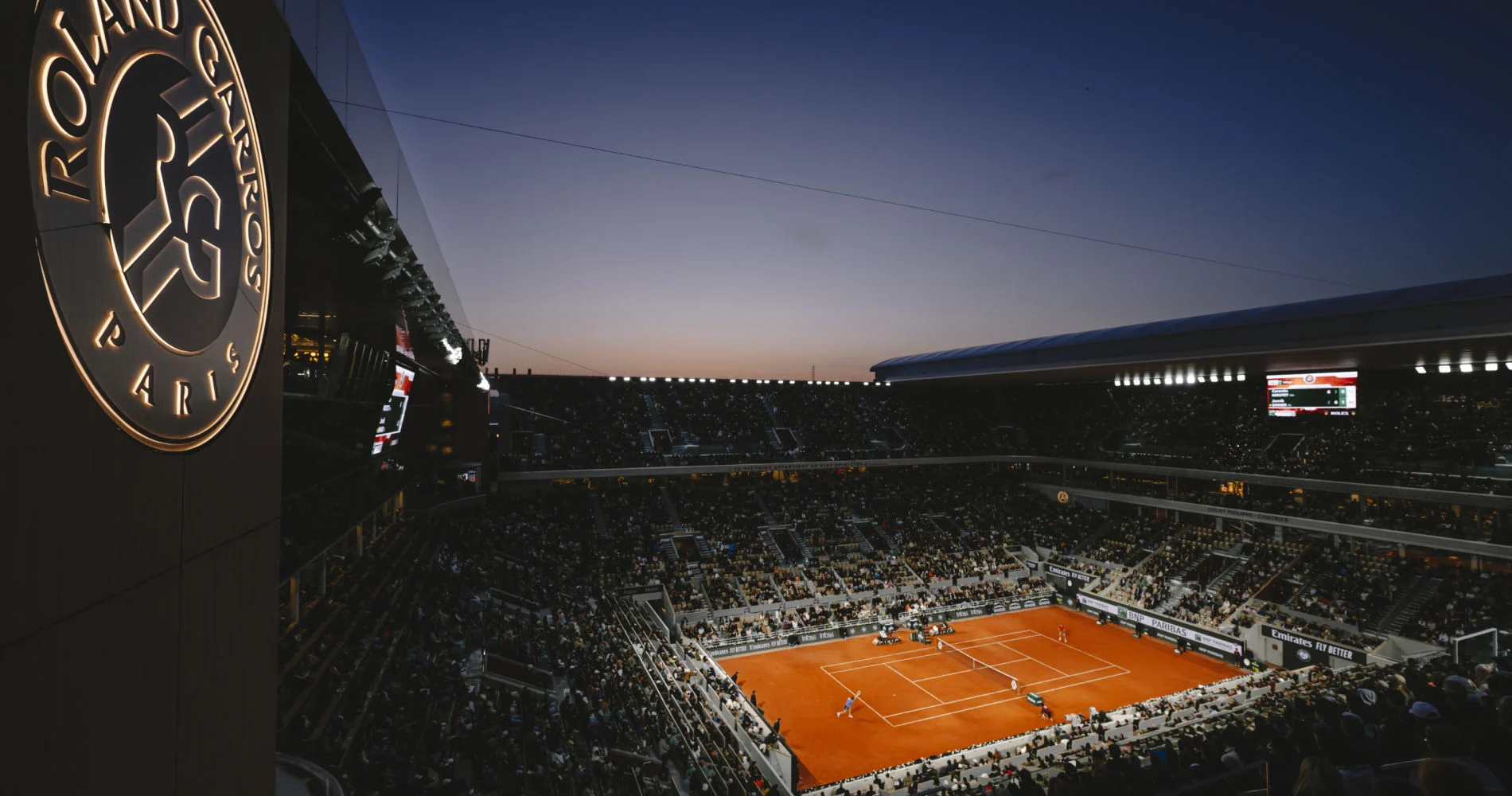
Roland-Garros is a different matter. When the prize money announcement landed, it came with no prior consultation through the ATP or WTA player councils and no discussion of distribution down the pyramid to qualifiers. “They just put out a press statement,” a source close to the players told Tennis Majors. “The players were quite upset about that.”
Project red EYE
The demands are threefold. First, prize money equivalent to at least 22% of revenues, in line with what ATP and WTA 1000 events already pay. Second, a Grand Slam contribution to player welfare – pensions, injury insurance, maternity leave – which the tours already fund but which the Slams do not. Third, formal and meaningful consultation mechanisms. On that last point, the players are explicit: they will not engage on the question of a Grand Slam player council until they see concrete movement on the first two issues.
The Grand Slams, by far the dominant powers in world tennis, frame their position differently. They point to the opportunity they are offering to shape a unified calendar and invite players into a council to co-design the future of the sport. They also cite the ongoing PTPA lawsuit as a legal obstacle to collective meetings with players. The only meaningful break in that position came from Craig Tiley, the Australian Open’s outgoing CEO, now moving to lead the USTA and the US Open, who signalled a willingness to work with the PTPA, effectively splitting from the other Slams on that question.
The players’ response is direct: the PTPA has nothing to do with this. Many of the signatories, Alcaraz and Zverev among them, have kept a conspicuous distance from the PTPA’s legal campaign in recent months. The group has no official name beyond the internal working title Project Red Eye, though Fair Share has been proposed. What they do have is a shared demand: to be recognised as a legitimate voice in a conversation that, so far, the Grand Slams have largely declined to have.
Pressure on Wimbledon
They regard the PTPA argument as a convenient excuse. There is a legitimate reason why the four Grand Slams cannot sit in the same room to discuss prize money collectively — it would constitute anti-competitive collusion — but the players’ point is that there is always another reason why nothing can move.
The absence of certain prominent names from the list of signatories – Elena Rybakina, Felix Auger-Aliassime and Ben Shelton among them – should not be read as opposition. Tennis Majors was told that the signatories represent a consensus, and that players including Jack Draper, Belinda Bencic and Gaby Dabrowski have been active and vocal within the group.
What comes next remains to be determined, but escalation looks increasingly likely. Players are expected to speak publicly in Rome this week, probably on Wednesday. A further meeting of the group is anticipated at Roland-Garros in late May, as occurred last year. Whether that meeting will include Roland-Garros officials remains unconfirmed. “The players are frustrated,” a source told Tennis Majors. “They are considering all options.”
In that context, all attention is soon to be turning to Wimbledon. The All England Club’s prize money announcement is expected within the next month. The players will be watching closely. And the answer will tell us whether this confrontation is with Roland-Garros alone, or with all four Grand Slams combined.
The full list of signatories:
- Women: Sabalenka, Gauff, Swiatek, Pegula, Keys, Paolini, Navarro, Zheng Qinwen, Badosa and Andreeva.
- Men: Sinner, Zverev, Alcaraz, Fritz, Ruud, Medvedev, Rublev, Tsitsipas and De Minaur.