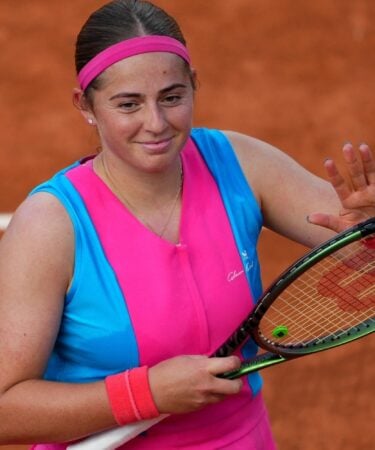
A decade on, Jelena Ostapenko is still a lot the same — and yet a whole lot different
Ten years on from her breakthrough in Doha, Jelena Ostapenko remains one of the most popular players on the tour. While the strengths of her game remain the same, the Latvian talks about why she is different from the teenager who won the French Open in 2017
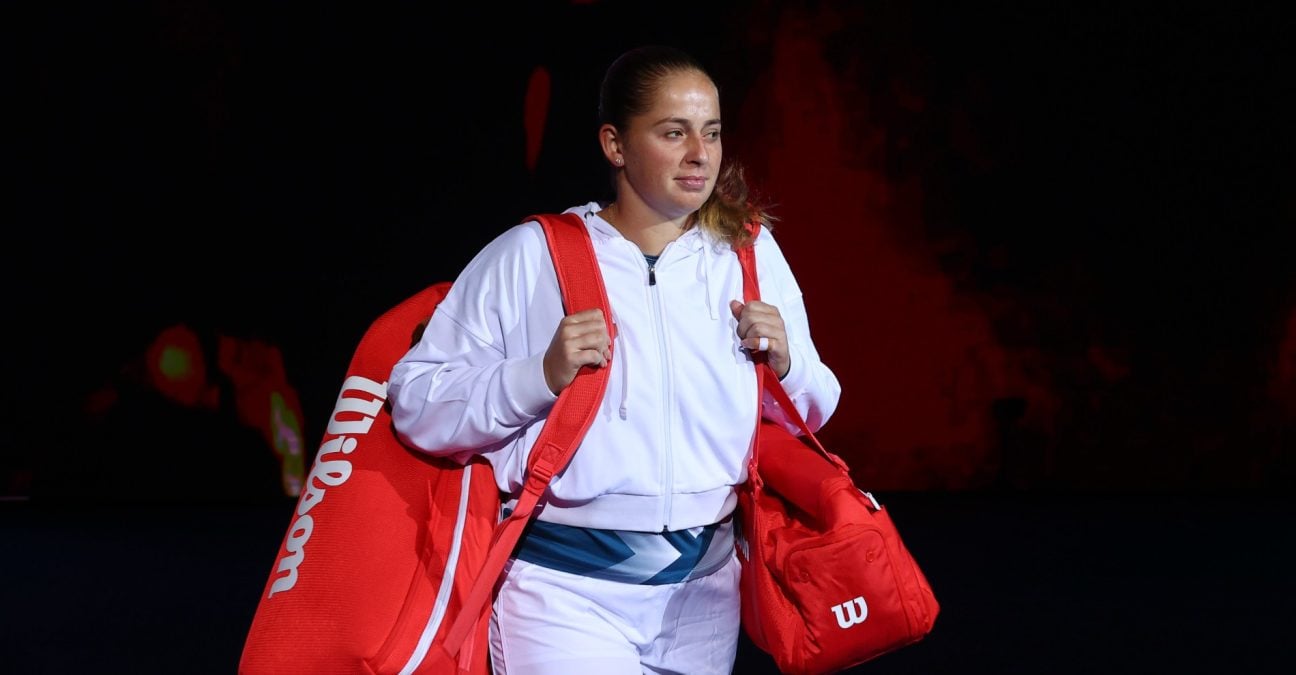 Jelena Ostapenko, WTA Qatar Open 2026
Image Credit: Qatar Tennis
Jelena Ostapenko, WTA Qatar Open 2026
Image Credit: Qatar Tennis

Doha has always been a special place for Jelena Ostapenko. It was here, back in 2016, that the Latvian reached her first big final on the WTA Tour. A decade and a French Open singles title later, she was back in the semi-finals in Doha this week for the fourth time. Her win over Italian lucky loser Elisabetta Cocciaretto on Thursday was her 24th at the tournament — the most by any player in its history – before falling to Canadian teen Victoria Mboko in the last four on Friday.
Just why does Ostapenko like Doha, and why does she play so well here? “First of all, great memories. As I said before, everything started here in 2016, my biggest final at that time. I just like the vibe here. They are taking really good care of us, and it’s all chill and relaxed in a good way. And they start matches later, which I love. I just like it here,” the 28-year-old told the media in Doha.
“I feel like if she played the same as me, her ranking would be top 10 – Ostapenko
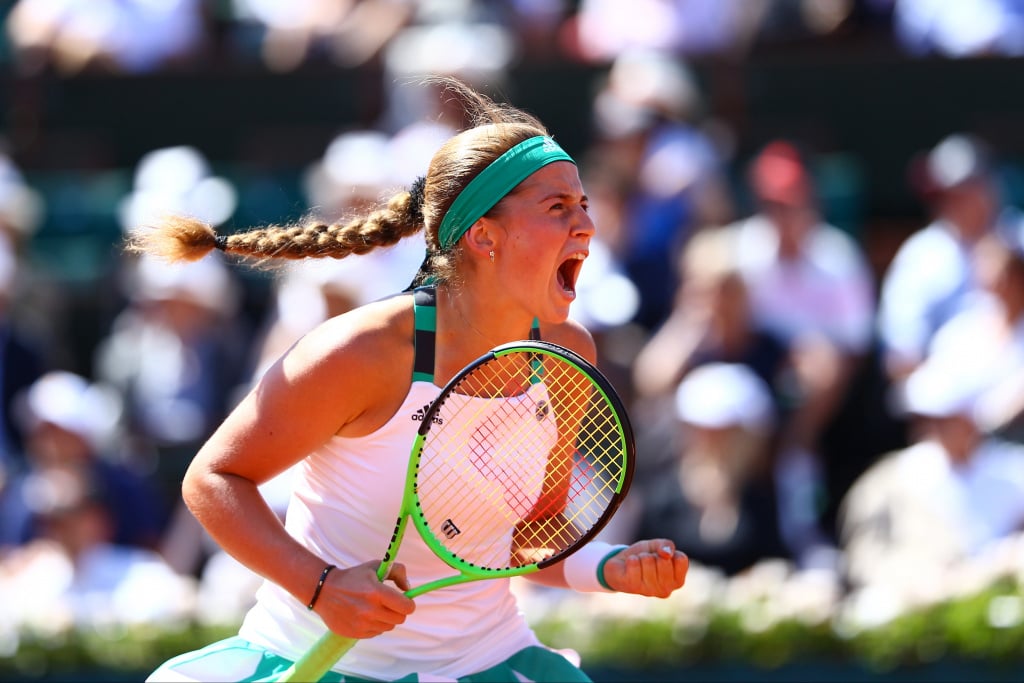
Since that first big final a decade ago, much has remained the same about Ostapenko. She still plays high-risk, aggressive tennis; she still wears her heart on her sleeve on court; and she is still refreshingly honest when it comes to dealing with the media. When asked what it was like to face someone who played a lot like her, following her 6-7, 6-3, 6-4 win over 105th-ranked Anastasia Zakharova, she did not hold back.
“I feel like if she played the same as me, her ranking would be top 10. So I don’t think she really plays the same as me. There are some things that were working for her. Obviously, it’s so much easier to play against someone you have nothing to lose. But I think my level is like way higher than her level was in the deciding moments.”
Throughout the week, the only area she seemed reluctant to discuss was her work with a mental coach/psychologist, even as she admitted that tennis is about 75% mental. “It’s our top secret. Nobody has to know that. As long as it works,” she said, when asked what kind of work she had been doing on that front. “It’s about finding the right people. I feel like I found the right person, and he’s helping me a lot.”
But while a lot has stayed the same, much has also changed for Ostapenko over the past ten years. She believes she is making far better choices on court, even while maintaining her go-for-broke style. She also believes she fights harder in crucial moments now as compared to the past.
“I think I just have to stick with what I have to do and to not have more than one plan in my head. I think that’s where the tricky things start because I’m the kind of player which can also adapt to the game during the match in case something is not working well. I feel like even when I have tough moments in the matches, like in deciding moments, I’m making really good decisions. It doesn’t matter what the score is, I’m playing until the very last point, which maybe a few years ago was not like that. I just tell myself to fight until the last point, and to not be hard on myself. Even if I miss, it doesn’t matter, move to the next one.”
“I was really angry after that”- Ostapenko on Wimbledon doubles final loss
Over the years, the Latvian has also emerged as a world-class doubles player, coming within one win of becoming world No. 1. A US Open doubles champion in 2024 with Lyudmyla Kichenok, she has reached three other Grand Slam finals, including last year’s Wimbledon, where she and partner Su-Wei Hsieh lost a three-set match to Veronika Kudermetova/Elise Mertens. A win in that final would have elevated her to the world No. 1 position, and she says she had considered retiring from doubles had that happened.
“My goal was to achieve No. 1 in doubles, which was very close last year at Wimbledon, up 4-2 up in the third set. I was really angry after that,” she admits. “I remember that because I felt like if I achieved No. 1, maybe I should think of just quitting doubles. But on the other side, I think I play really well in doubles. That shows that I can win titles with different partners. And then I feel like maybe I will regret it because I really enjoy it when you play doubles with somebody who is really fun. If I play better in singles, if I’m back in top 10, maybe I’m going to think about quitting doubles. But you never know. Some weeks you don’t do very well in singles.And then it’s kind of better than just practicing. Especially for me, because I’m a very competitive person. I love to compete.”
“You just have to take some lessons from the matches you lose and move forward” – Ostapenko
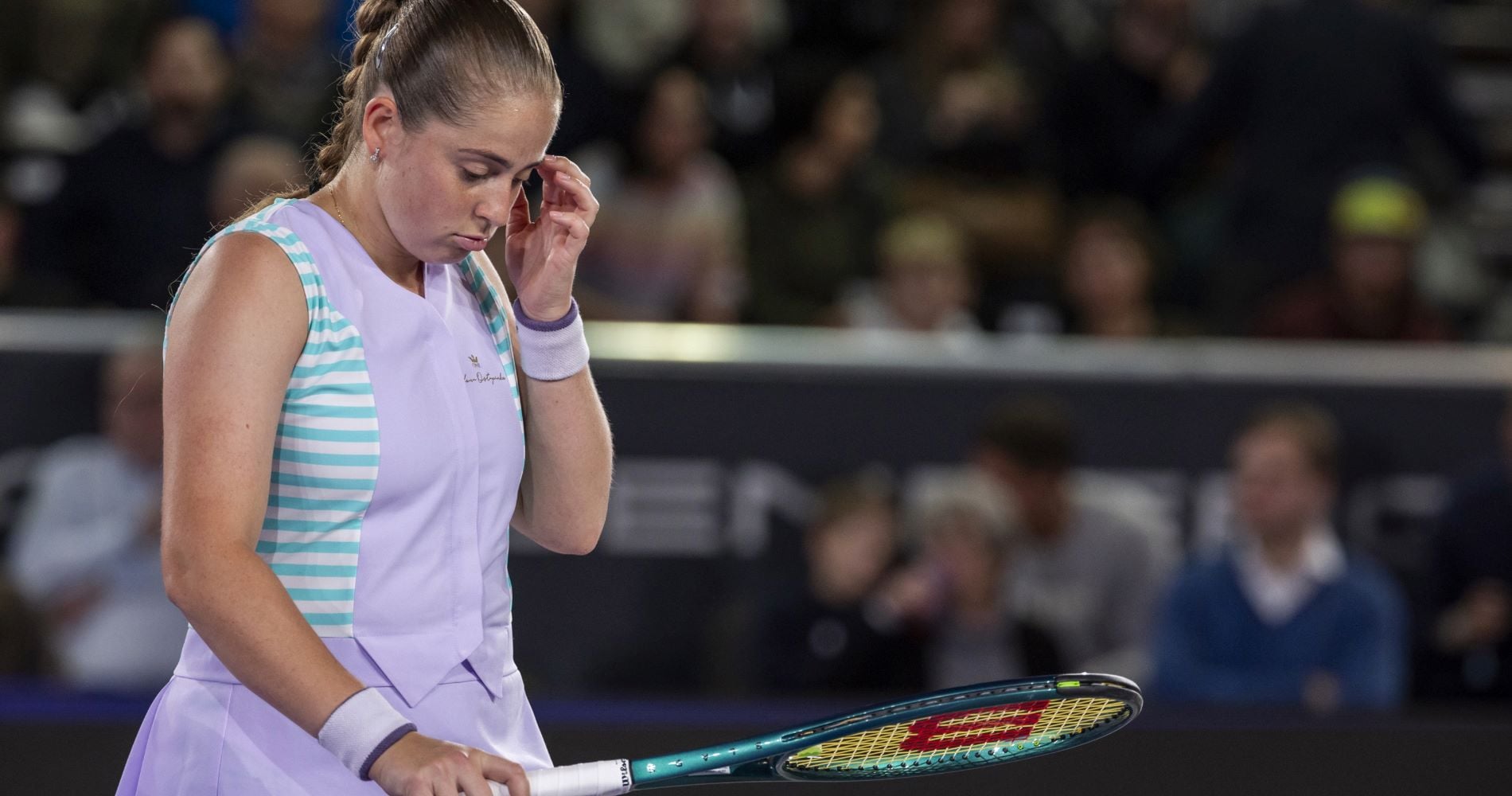
Despite being so competitive, Ostapenko is not one to dwell on her losses. Soon after losing the singles semi-final, she teamed up with Hsieh to reach the doubles final in Doha. “Tennis is such a great sport because almost every next week we have opportunities to play again and again. So if you’re going to keep your head in losses, it’s not very good for you. You just have to take some lessons from the matches you lose and move forward.”
“I feel like especially this week, also in Australia, I felt like I was playing also good tennis, so I felt like it’s coming. Especially like playing here semis in singles, I think, my game is obviously working better, and I feel like I’m getting in the zone.”
And how does Ostapenko believe she has evolved the over the course of the last decade? She doesn’t think twice before responding, “I think dealing with my emotions, for sure. Of course there are some tricky matches where, as I’m a very emotional person in general, I get emotional. But as long as I can balance it and it doesn’t affect my game, I think that’s what I was working the most.”
Whether it is singles or doubles, the motivation remains the same. For Ostapenko, the joy is in the fight — and Doha, once again, has brought it out of her.