“I maintained my level, played very tough and close matches, and won them all” : For now, Rybakina is the best female tennis player of the pack
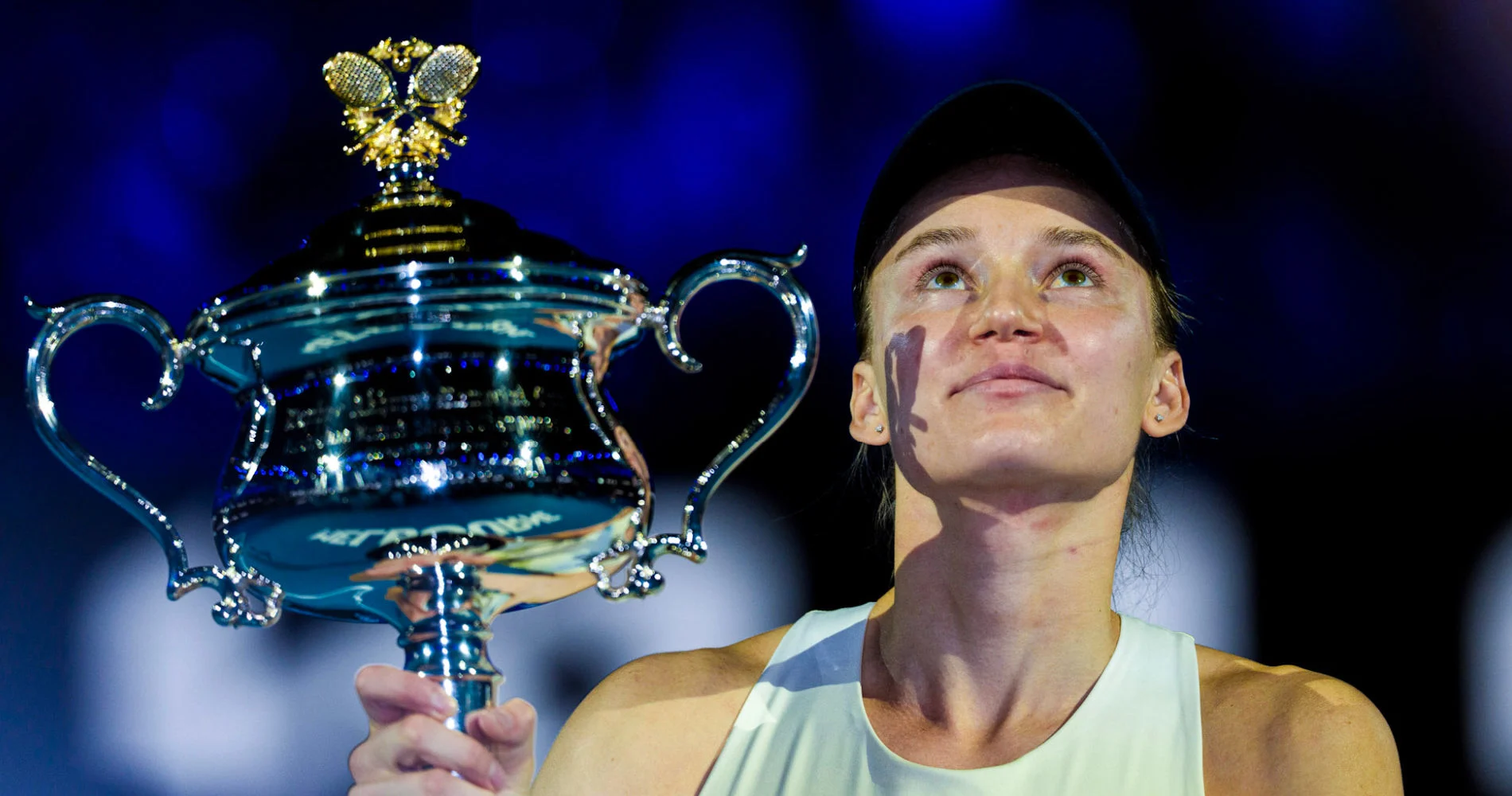
Elena Rybakina’s evolution from a whirlwind Wimbledon winner to a tactical Melbourne champion was completed on Saturday, as she recovered from a set and a break down to avenge her 2023 heartbreak against Aryna Sabalenka and confirm her incredible form over the last six months.
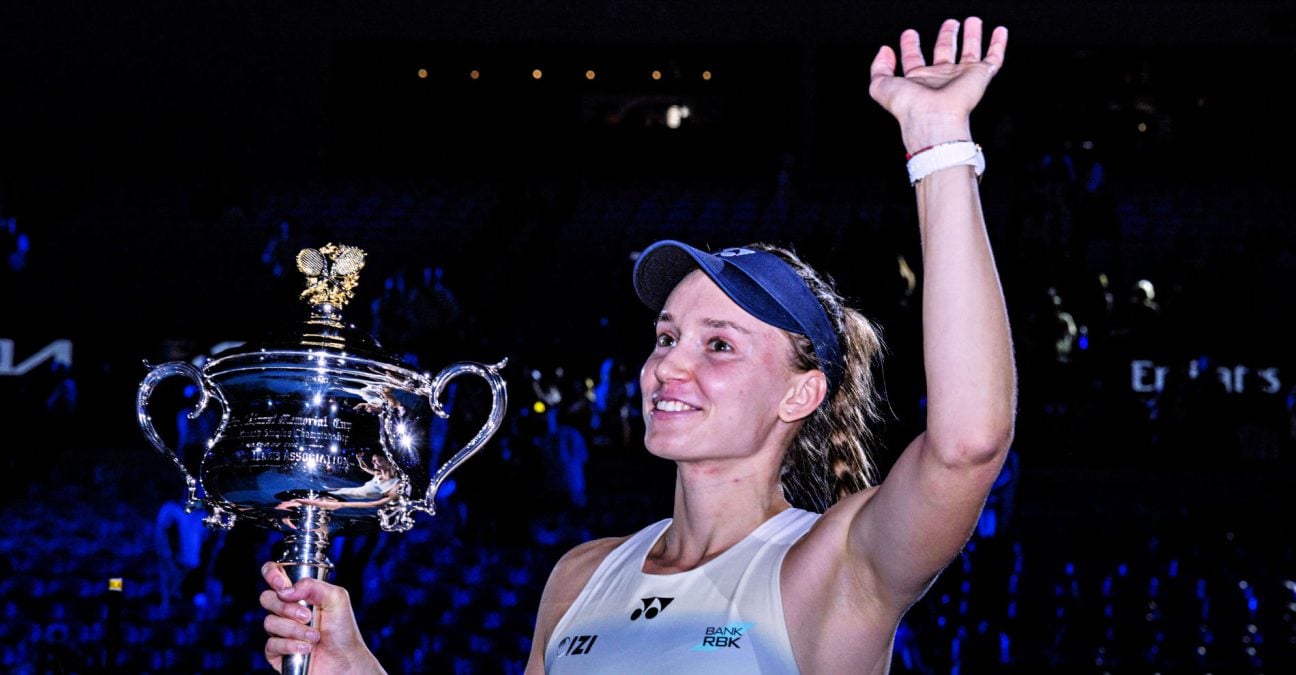 Elena Rybakina, Australian Open 2026 | © Hu Jingchen/Xinhua/ SIPA Press

The 2026 Australian Open final was billed as a clash of the sport’s heaviest hitters, but it was decided by the internal fire of the woman known as the “Ice Queen”. Elena Rybakina, the 26-year-old representing Kazakhstan, claimed her second Grand Slam title with a 6-4, 4-6, 6-4 victory over top-ranked Aryna Sabalenka.
The win signifies a monumental shift in maturity since her maiden Major at Wimbledon 2022; where the younger Rybakina often relied on pure ball-striking, the current world number three demonstrated a newfound psychological grit to overcome a 3-0 deficit in the final set.
Tactical Maturity Over Raw Power
The physical demands of the two-hour and 18-minute contest were immense, but Rybakina’s poise was her greatest weapon. She been nicknamed the “Ice Queen” by fans and media since 2023 alike due to her preternatural calm on court and her stoic, almost emotionless reactions after winning even the most significant points.
This “icy” exterior is not a lack of passion but a tactical shield, she says; by maintaining a flat emotional baseline, she prevents opponents from sensing any dip in her confidence, which clearly created a difference compared to the high-intensity energy of Sabalenka.
Reflecting on her growth at the post-match press conference, she noted the difference between her loss to Sabalenka three years ago – where she won the first set 6-4 before falling 3-6, 4-6 – and the player she has become. “Many years have passed, and many matches have been played since then,” Rybakina explained. “Hopefully, I can leverage all the experience I have gained since that final and bring it to Saturday’s match, give my best and focus on my serve, of course.”
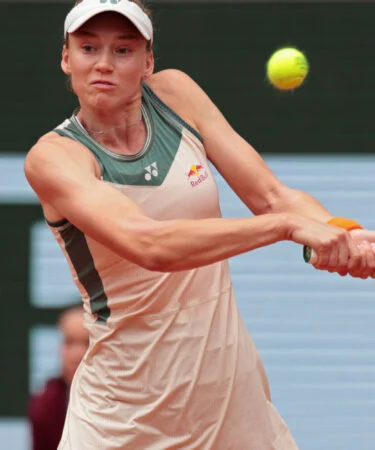
That serve, a lethal 193 km/h weapon (her peak this year), guided her to a tournament-high 47 aces throughout the fortnight and a 74% points won rate on the first serve.
The Vukov Factor And The Riyadh Blueprint
The editorial narrative of Rybakina’s resurgence is inextricably linked to her coaching team, specifically Stefano Vukov. Following a complex period involving Vukov’s absence from the tour and their eventual reunion after his provisional suspension for a potential breach of the WTA Code of Conduct was lifted in August 2025, the partnership has propelled Rybakina into a historic run of form where she has won 20 of her last 21 matches.
“I believe he is a great asset because he knows me better than anyone,” she said of Vukov. “His on-court advice during matches makes a difference. Stefano has been instrumental in achieving these results”.
Rybakina’s journey since Wimbledon 2025 has been a masterclass in elite resilience, marked by a tour-leading 38 match wins that powered her ascent back to the top of the game. Following mid-season titles in Strasbourg and Ningbo, her 2025 campaign reached a historic peak at the WTA Finals in Riyadh, where she produced an undefeated 5-0 run to claim the title and a record-breaking 5.235 million dollar prize.
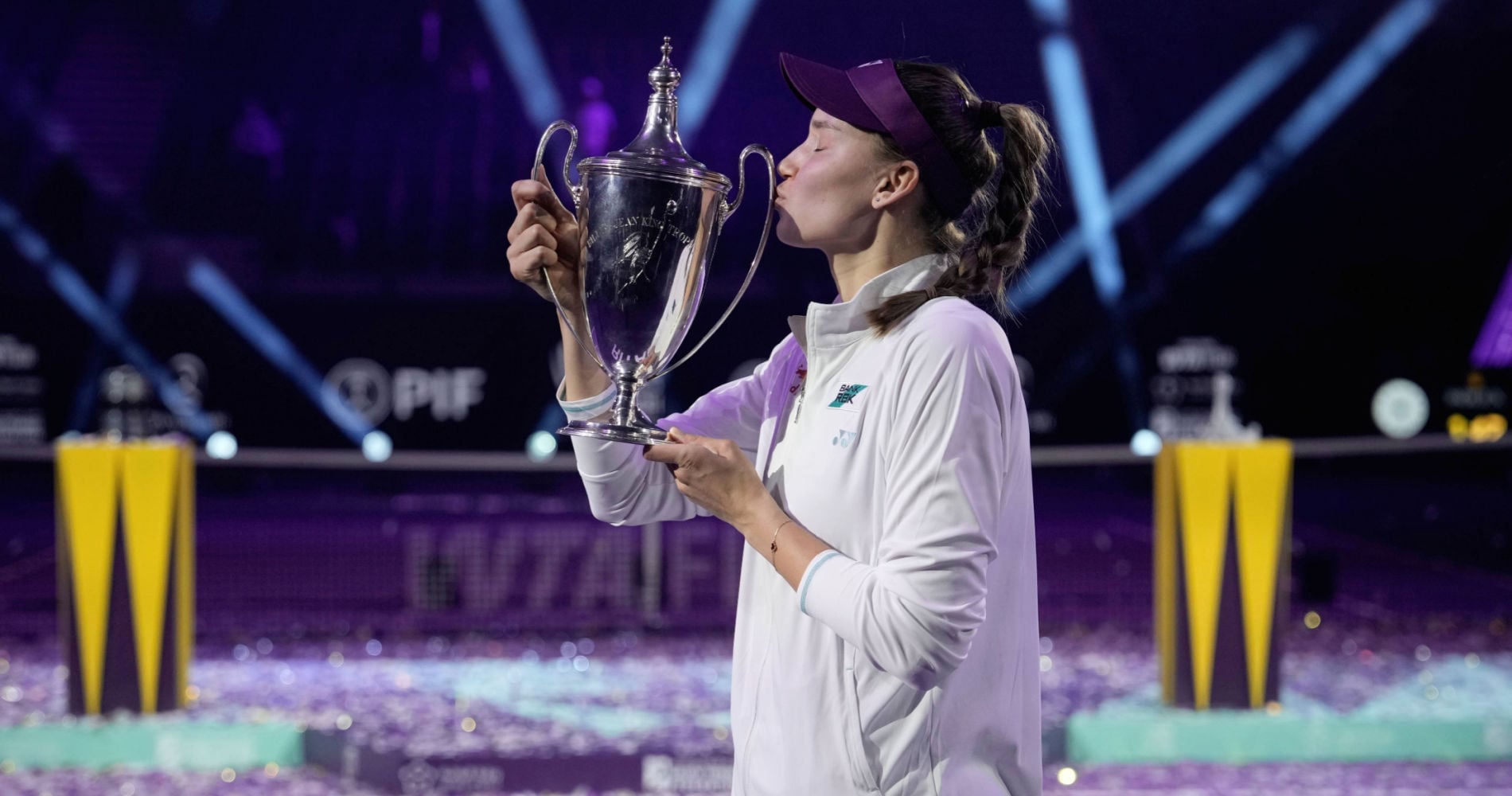
During that high-stakes week, she secured a statement 6-3, 7-6(0) victory over world number one Aryna Sabalenka, a result that mirrored her clinical form. This momentum proved unstoppable in Melbourne, where she dismantled world number two Iga Swiatek 7-5, 6-1 and world number six Jessica Pegula 6-3, 7-6 before ultimately avenging her past heartbreak against Sabalenka.
Rybakina arrived with the mental edge of a champion who had already proven she could beat the best. “The WTA Finals gave me a lot of confidence because I played against the best,” she noted, three months after having won them by defeating Swiatek, Pegula, and Sabalenka on the way. “I maintained my level, played very tough and close matches, and won them all.” This self-assurance allowed her to remain calm even when the world number one soared to a dominant 3-0 lead in the third set.
A Return To The Elite Tier
With this victory, Rybakina is projected to return to her career-high ranking of world number three. She is now the first Kazakh player to win an Australian Open singles title and only the third woman representing an Asian country to reach multiple Australian Open finals, joining Li Na from China and Naomi Osaka from Japan. “The heart rate was definitely beating too fast. Even maybe my face didn’t show, but inside it was a lot of emotions,” she said.
She has not finished yet. The journey is just starting. Rybakina states that 2026 is supposed to tick all her “big goals,” which include winning another Grand Slam and eventually reaching the world No. 1 spot. Despite having recently captured 12 career titles, she is sometimes framed as an underachiever compared to the title counts of Sabalenka and Swiatek. Yet, with two Grand Slams, a WTA Finals title, and two WTA 1000 crowns (Indian Wells and Rome in 2023), she has proven since Wimbledon last year that she is currently the best female player in the world. She now has ten months to materialize that trend into legendary results.