How Jannik Sinner turned a gruelling winter training block into the most dominant spring in tennis
Indian Wells. Miami. Monte Carlo. The world No. 1 didn’t just return from a sluggish start to the season – he came back and demolished the competition. Here is how he did it. Once upon a time in California…
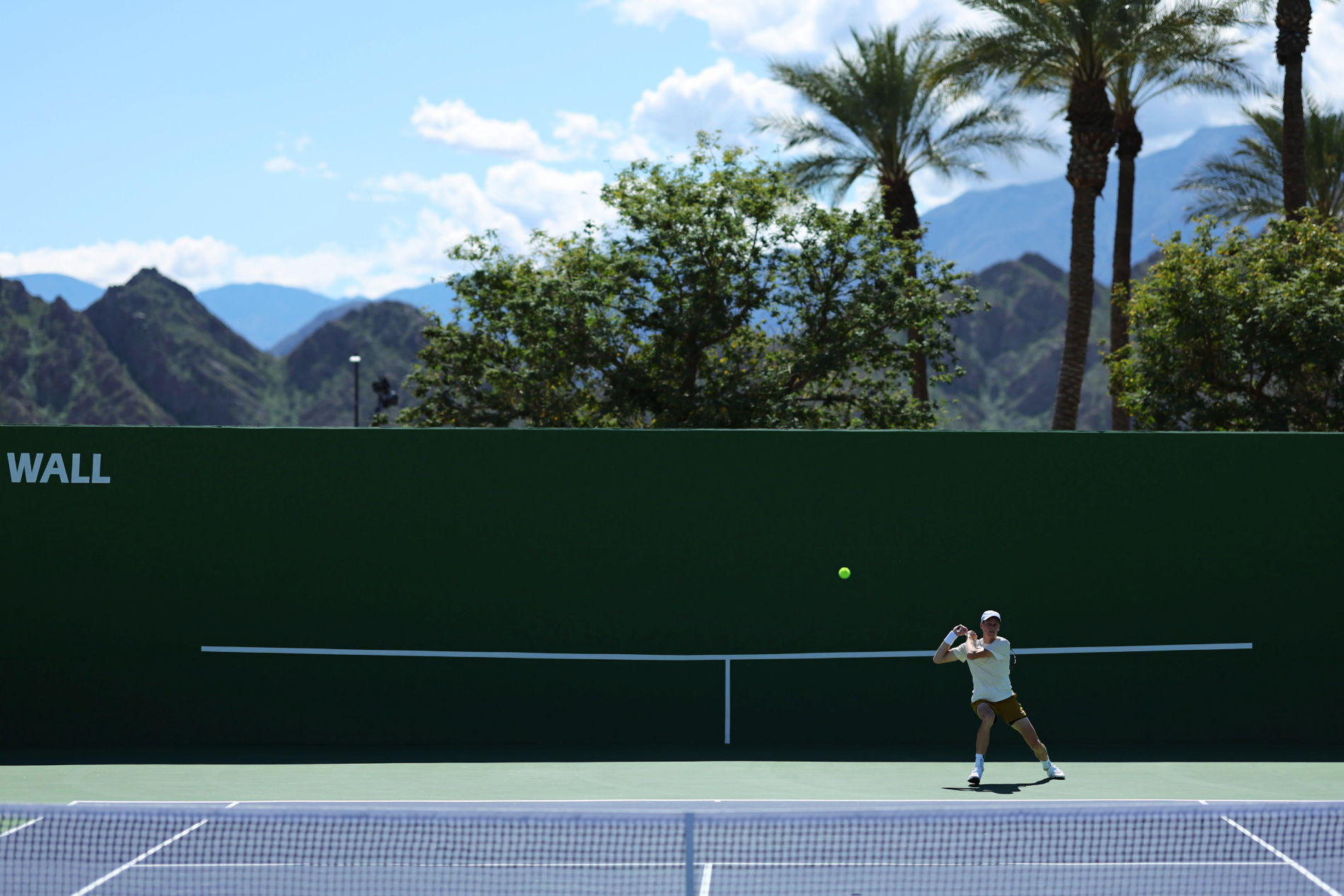
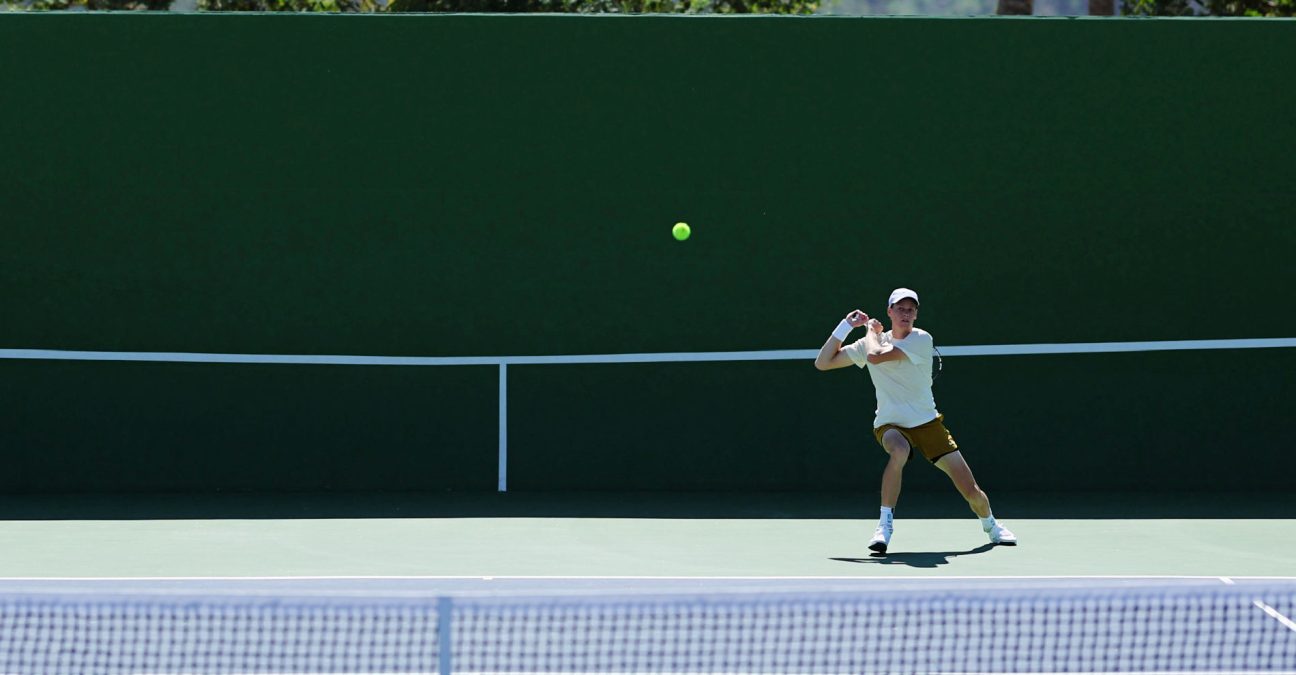 Jannik Sinner practicing at Indian Wells, 2026 | © Antoine Couvercele / PsNewz

There was a moment, sometime in the gruelling weeks after Doha, when Jannik Sinner and his team made a decision. Not a dramatic one – no crisis meeting, no radical overhaul – but the kind of deliberate, methodical choice that has come to define how the world No. 1 operates. They would work. Harder than ever maybe. Or as hard as they ever did. And they would trust the process.
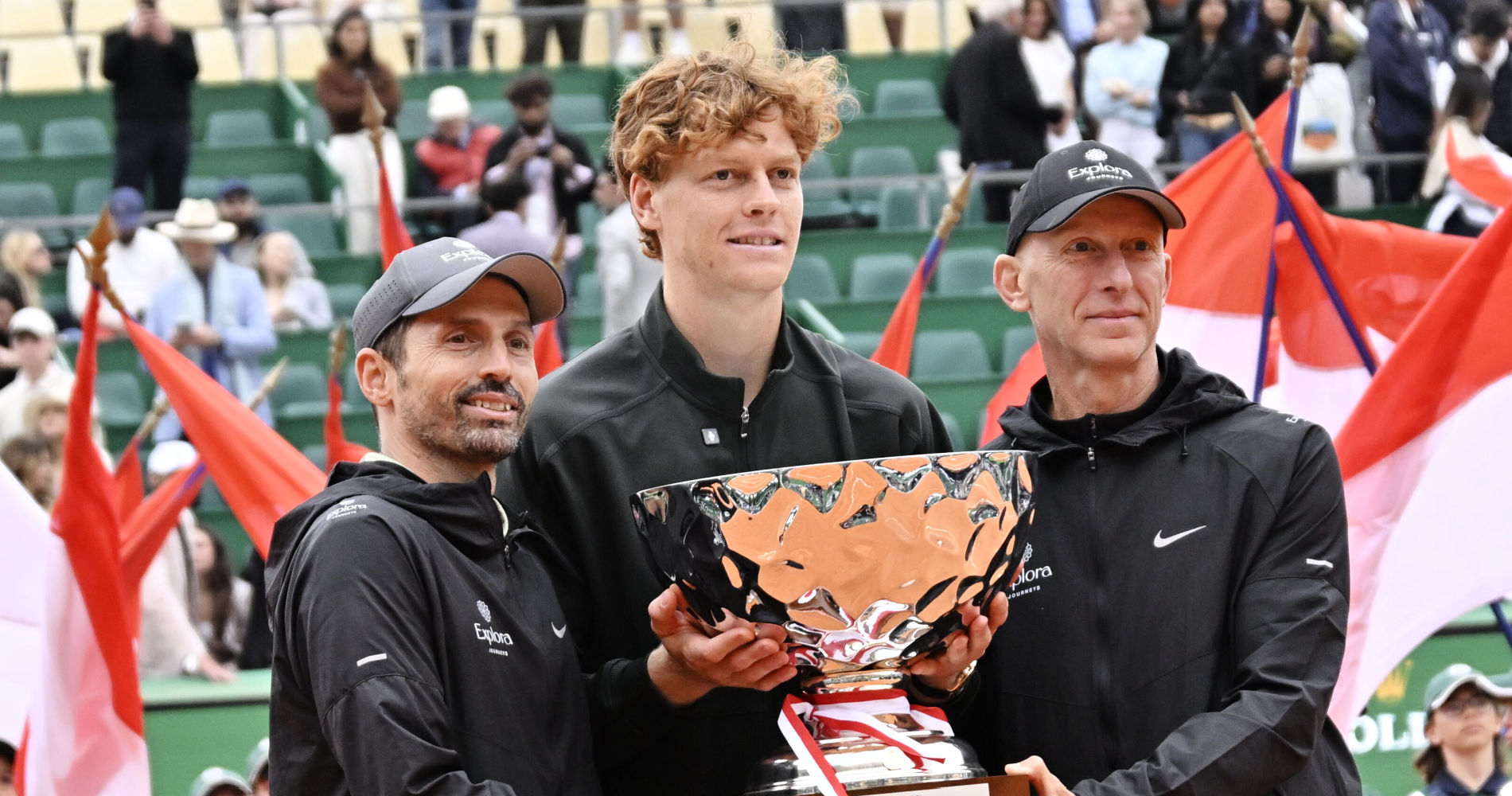
What followed was one of the most dominant stretches of tennis seen in years: an Indian Wells title, a Miami title – you can call it a Sunshine Double –, and now, on a windy afternoon on the terrace courts of Monte-Carlo, Sinner’s first Masters 1000 title on clay. The journey from the relative disappointment of the early season – crown lost in Melbourne in semifinals, shocking loss agaisnt Mensik in Doha – to the summit of the game did not happen by accident.

The reset after Doha
The early weeks of 2025 had not gone entirely to plan. Results were solid but not spectacular, and there was a sense that the finely tuned machine was in need of recalibration. Rather than pressing on immediately, the team used the window wisely.
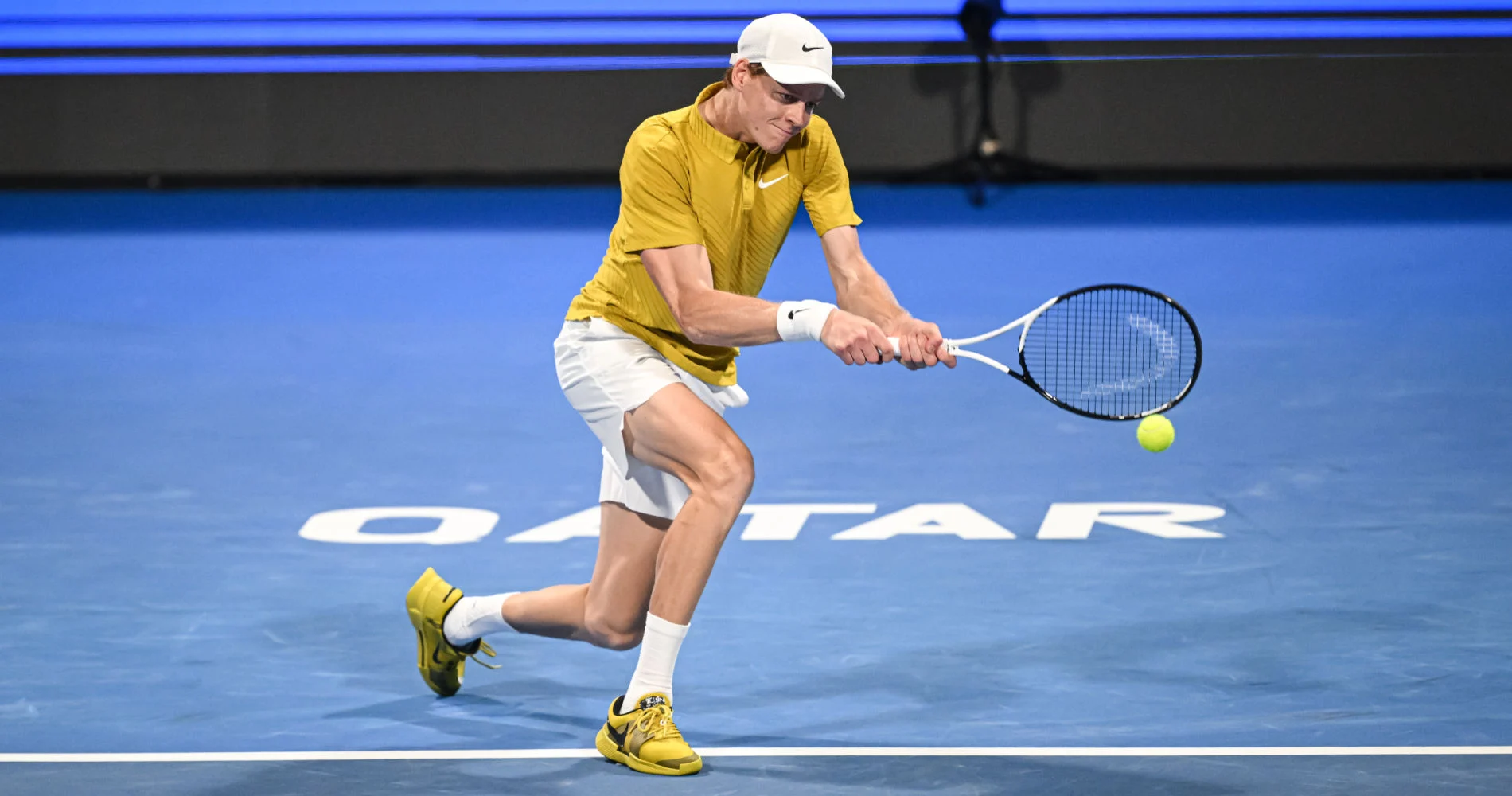
“We did work a lot on everything,” Sinner said after reaching the Monte-Carlo final. “On the serve, changing up the return games, the return points, trying to put more intensity from start to finish. There is not only one key. There are all things together, and what makes that package as big as possible.”
The fundamentals, in other words. Sleep. Diet. Long practice days. The unglamorous building blocks of elite performance.
Coach Simone Vagnozzi was not present in California for all of it – that block fell to Darren Cahill, fitness coach Umberto Ferrara and the rest of the support staff – but the framework they had built together over four years was clearly in place. “The block that they did together was really important,” Vagnozzi confimed. “They pushed really hard.”
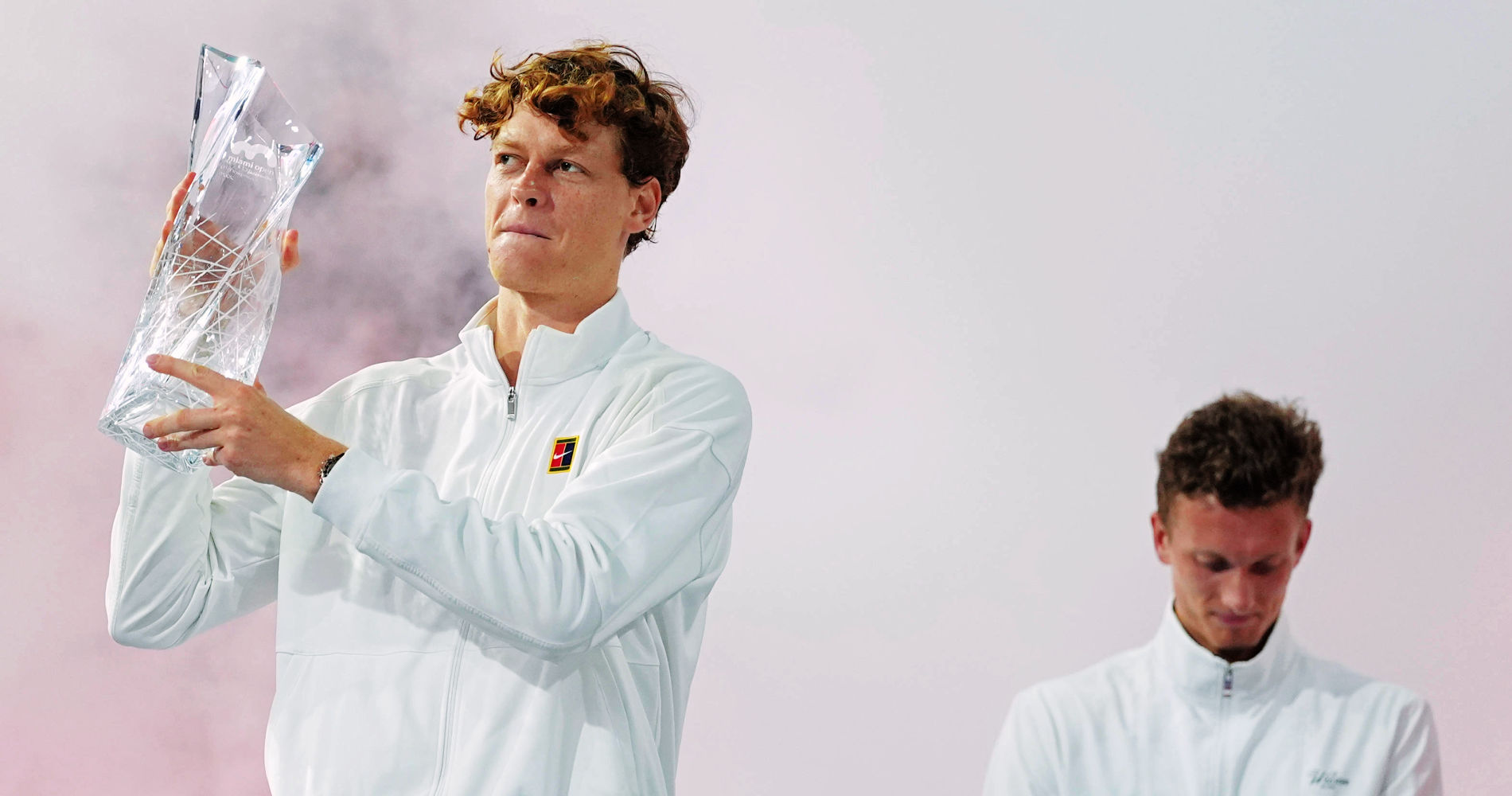
This kind of champion, they feel the victory, feel the trophy. It’s really important. They need it.
When Sinner arrived at Indian Wells, there were questions. Could he regain his dominance on hard, like in 2024, the year he won his first two Grand Slams and announced himself as the undisputed best player in the world? The tournament answered them emphatically. He won the title and in doing so achieved something that statistics alone cannot fully capture.
“This kind of champion, they feel the victory, feel the trophy. It’s really important. They need it,” Vagnozzi said. “The confidence that he earned in Indian Wells and Miami was really important for this title here.”
The clay transition
After Miami, the team allowed Sinner two days off before beginning the shift to clay. What followed was a methodical adaptation process that Vagnozzi described in precise terms: feeling the sliding movement on court, introducing more topspin, opening up angles, incorporating dropshots and kick serves. Day by day, layer by layer, opponent by opponent.
“From after the first two matches here, he started to feel better – more dropshots, more variation with the height of the ball, with the serve,” Vagnozzi said. “We were really, really impressed about his level here.”
There had never been any doubt about playing Monte-Carlo, despite a schedule that had already demanded so much. Sinner wanted to be there. And the form he carried into the draw — the tank, as Vagnozzi put it, was full — meant he improved with every match rather than fading.
A champion who reads the game
What made Vagnozzi most proud, he said, was not the title itself but the quality that underpinned it: tactical intelligence. Against every opponent, Sinner made different choices. Against Alcaraz in the final, played in swirling wind that made clean ball-striking a constant battle, he was the one who stayed clear-headed when it mattered most.
“Four years ago when we started, that was the objective I set for myself,” Vagnozzi said. “And it’s something that makes me proud.”
There is still the small matter of Roland-Garros — the one clay title that has so far eluded him, despite coming agonisingly close last year ; three match points. Whether Madrid features in the build-up remains undecided. But what is no longer in any doubt is that Jannik Sinner, forged in the hard work of a Doha winter and validated on the courts of California, is not just back. He is dominant.