Alcaraz, Sabalenka get clear on the calendar issues: they call for mandatory tournament cuts
Carlos Alcaraz says he will start missing tournaments because playing every mandatory event would mean 40 weeks of tennis a year. Two days later Aryna Sabalenka went further, asking the WTA and ATP to scrap the mandatory events altogether. If they do not, the World No. 1 said, players will simply pay the price themselves: “We’ll have to sacrifice points, ranking position, whatever.”
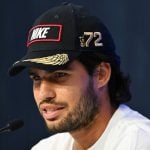
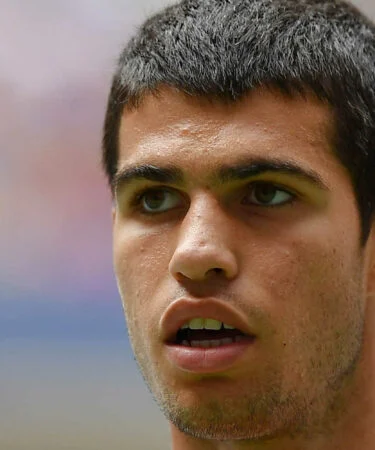
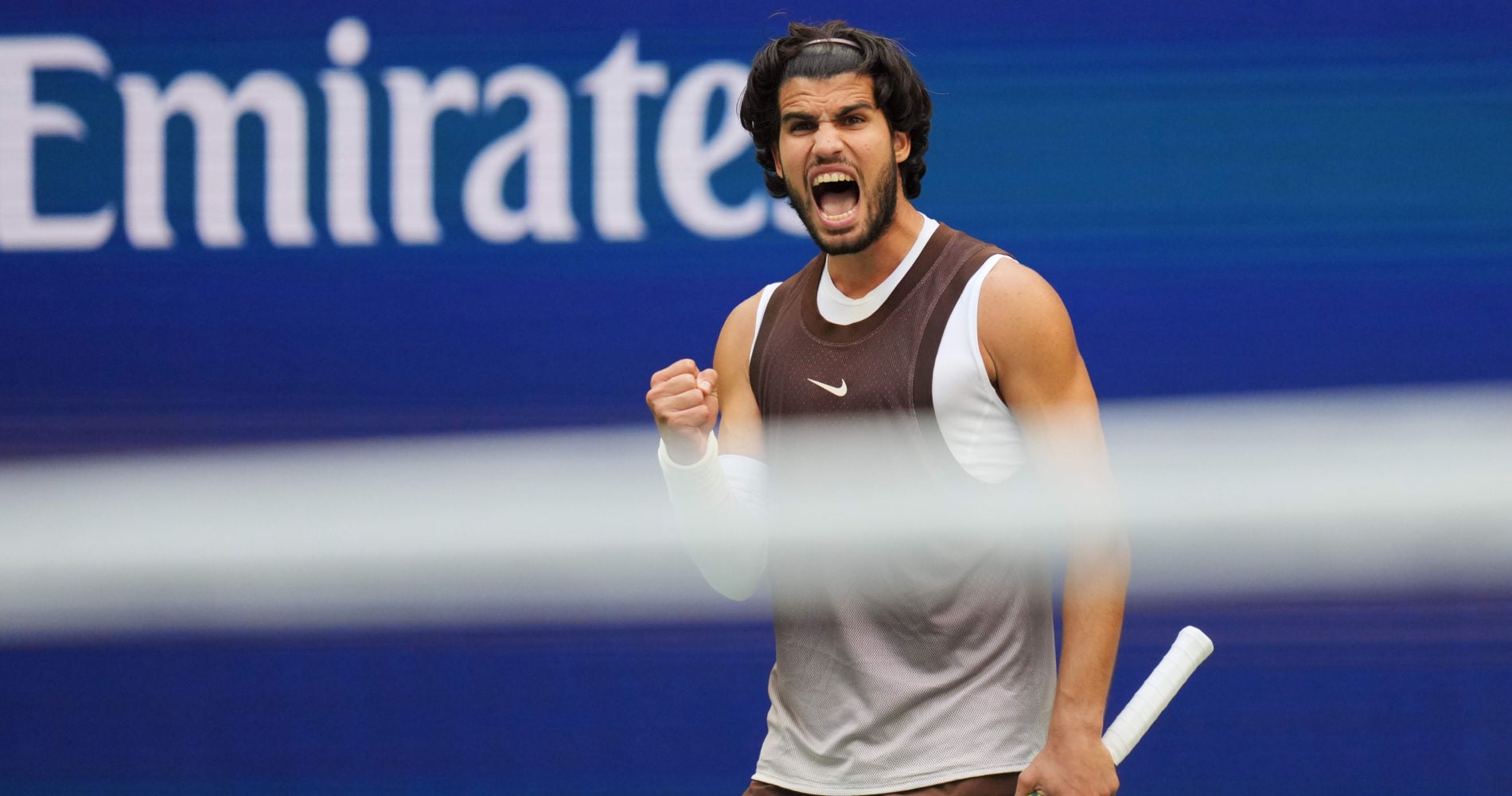
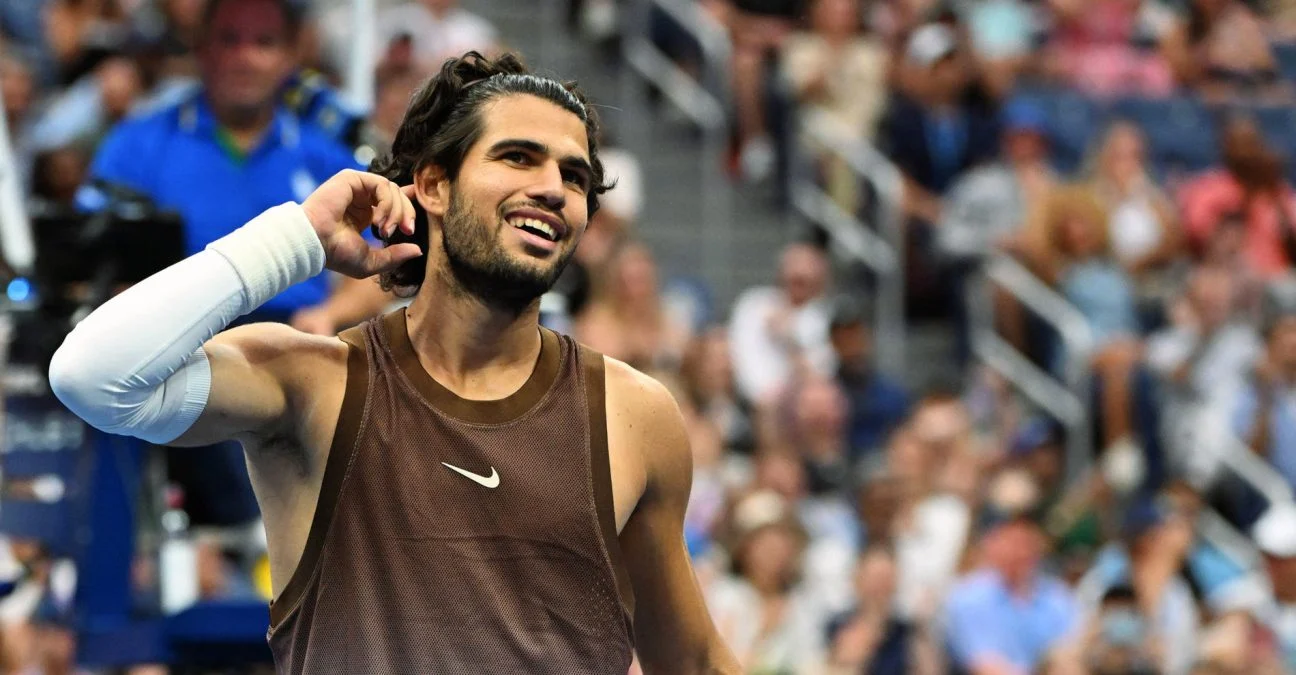 Carlos Alcaraz, US Open 2026 | © mpi04/Psnewz

Carlos Alcaraz said it on Wednesday. Aryna Sabalenka said it on Friday, and went further.
“In the future, I’m going to take some breaks, some long breaks,” Alcaraz said after reaching the third round of the US Open. “Maybe not four months, but one month, two months, missing some tournaments, because it’s impossible to play them all.”

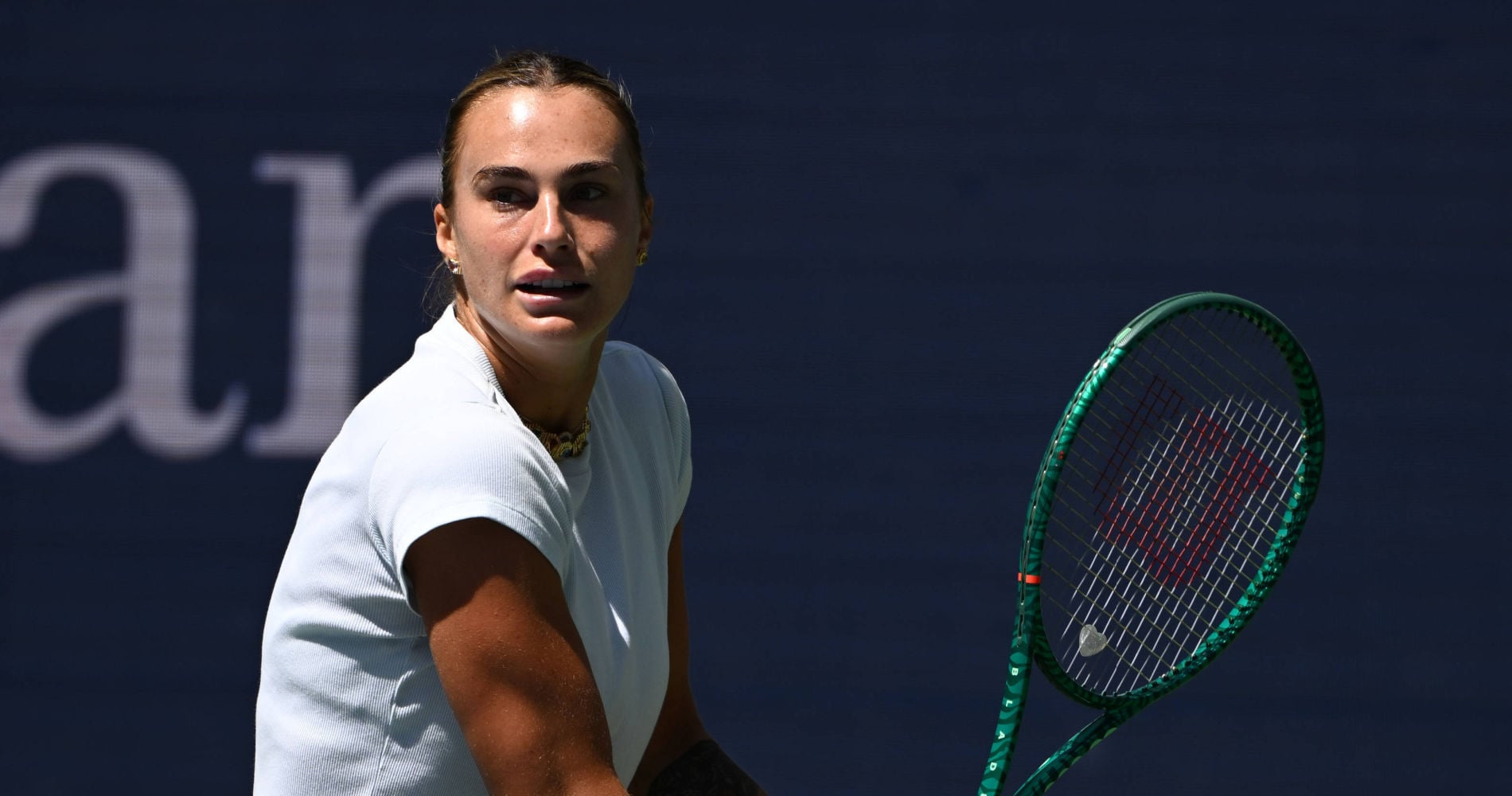
Two days later Sabalenka was asked about him, and did not hedge.
“I would love to see the changes in the scheduling and to cut off the mandatory events and let the players decide what’s better for their health, because it’s been super intense,” the World No. 1 said. “Especially if you play at a level like Carlos is playing, basically very consistent, it’s very tricky for the body.”
Then the warning. “If they’re not going to cut it, we’ll have to sacrifice points, ranking position, whatever, in order to protect our bodies,” she said. “I think it would be really helpful from WTA and ATP to kind of ease up a little bit the schedule for us, in order to really support our health.”
Asked what he and his team had concluded about the injury itself, Alcaraz refused to blame the calendar for it. “This injury didn’t come because I played too much,” Alcaraz said. “It is what it is, and there are some injuries that is bad luck at all.”
What he blames the calendar for is something else, and he explained it at length.
I’m gonna take breaks, because I want to feel well prepared coming to a Grand Slam, Masters 1000, whatever it is.
“I’m kind of a guy that doesn’t need to play a lot of tournaments. I just prefer to be mentally healthy and physically healthy to approach the tournaments and getting the feeling of the competition,” he said. “You can have those moments of time to have a break, to prepare well for tournaments, to prepare well mentally. You don’t have that time, that period, those breaks to perform at your best. It is a tournament after tournament after tournament, and you don’t feel like you are well-prepared coming to some tournaments.”
“That’s why I just decided that probably in the future I’m gonna take breaks, because I want to feel well prepared coming to a Grand Slam, Masters 1000, whatever it is.”
Under the 2026 ATP rulebook, a commitment player must play the singles event of every mandatory Masters 1000 for which he is a direct acceptance, the Nitto ATP Finals if he qualifies, and four ATP 500 tournaments across three defined swings. Entry to the mandatory Masters 1000 events is automatic: the ATP enters qualifying players rather than the players entering themselves.
A player who decides not to go faces no fine and no suspension. What he loses is money and ranking. The Masters 1000 and ATP Finals bonus pool for 2026 is $21,537,813, shared among the top 30 in a points-based standings table, with $3,918,315 going to the player at the top of it. Missing one event, for any reason, cuts a player’s share by 25%. Missing two halves it, missing three costs 75%, and missing four removes it entirely. A ranking penalty applies on top.
Sabalenka’s phrase was not a figure of speech. It is the price list.
Rybakina: the tournaments got longer, the load did not get lighter
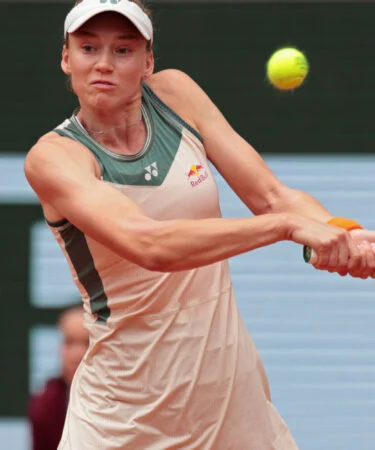
Elena Rybakina made the structural version of the argument on the eve of the draw, having arrived in New York after a foot injury at Cincinnati that left her unable to walk without pain for days.
“The tournaments became longer, but at the same time, first week you basically play maybe two, three matches, and then the next week, where it’s supposed to get harder with tougher opponents, you play every day,” she said. “And especially a lot of tournaments want to put matches maybe in the evening, so you don’t really have that much time to recover.”
She was specific about her own week. “Even Cincinnati being a little bit longer, we had to come and play straightaway. They gave us an extra day which basically we shouldn’t be having, but we had an extra day. Then we played again two matches in a row.”
“For me, that’s the toughest thing for the recovery,” Rybakina said. “It’s not even the amount of hours you stay on the court.” Sabalenka was asked whether the tours will act. “I hope so. I hope so.” Neither tour had said anything by Friday night.