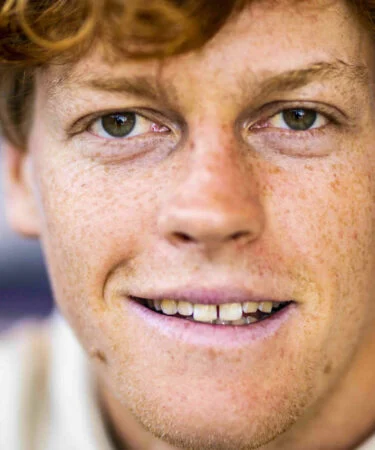
“When they come at me, no problem. When they come at my family – that bothers me”: Jannik Sinner on the price of being Italy’s biggest sports star
In a sport built on tennis parents who became inseparable from the story, Jannik Sinner is asking for the opposite. In Rome, he drew the line at his family.
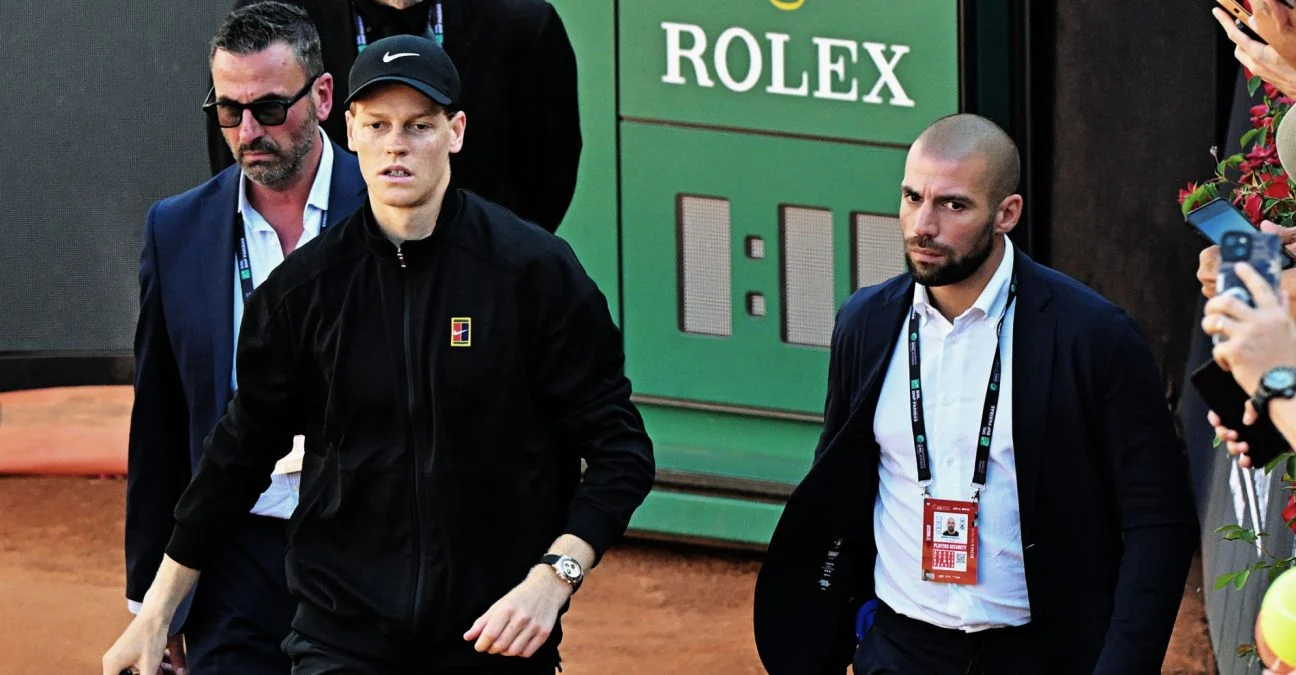 Jannik Sinner, Rome 2026 | © Inside / PsNewz

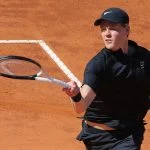
It was a press conference like the others. The world No. 1 had won his round of 16 match against Alexei Popyrin 6-2, 6-0 on Monday at the Foro Italico. The reporters asked about the result, about the streak, about Andrea Pellegrino, about the Career Golden Masters. And then one of the Italian reporters asked Sinner, with reference to other champions who had taken to wearing disguises in public to escape the crowds, whether the attention had ever weighed on him.
What followed was the most personal answer Jannik Sinner has given on Italian soil this year.
“I think one good thing is that it didn’t all arrive at once,” Sinner said. “It has always grown gradually. The first time it really arrived was, I think, when I won the first Slam in Australia (in 2024). From then on, things changed – it changed Italy a bit.”
He kept his own register. Then he drew the line.
“I try to protect my family, which for me is the most important thing. When they come at me, there’s no problem. But when I see them coming at my family – that bothers me. Because I know they’re not people who seek attention.”
Hanspeter and Siglinde
2024 was the only year when his parents spoke to the press. They have not done so since. His father, Hanspeter, was a cook at the Talschlusshütte mountain refuge in the Val Fiscalina; his mother, Siglinde, was a waitress at the same refuge and now runs the family bed and breakfast in Sesto Pusteria, a small village in Alto Adige.
They have made roughly two public contributions to the press record. Hanspeter spoke briefly to El País in 2024, around Jannik’s Wimbledon run, saying that he tries to stay calm watching his son play because matches can be very long. Both parents gave a short statement to Fanpage after the 2024 Australian Open, reflecting on the work ethic and humility they had tried to teach Jannik: “He learned the culture of work and seriousness early, the commitment and humility.”
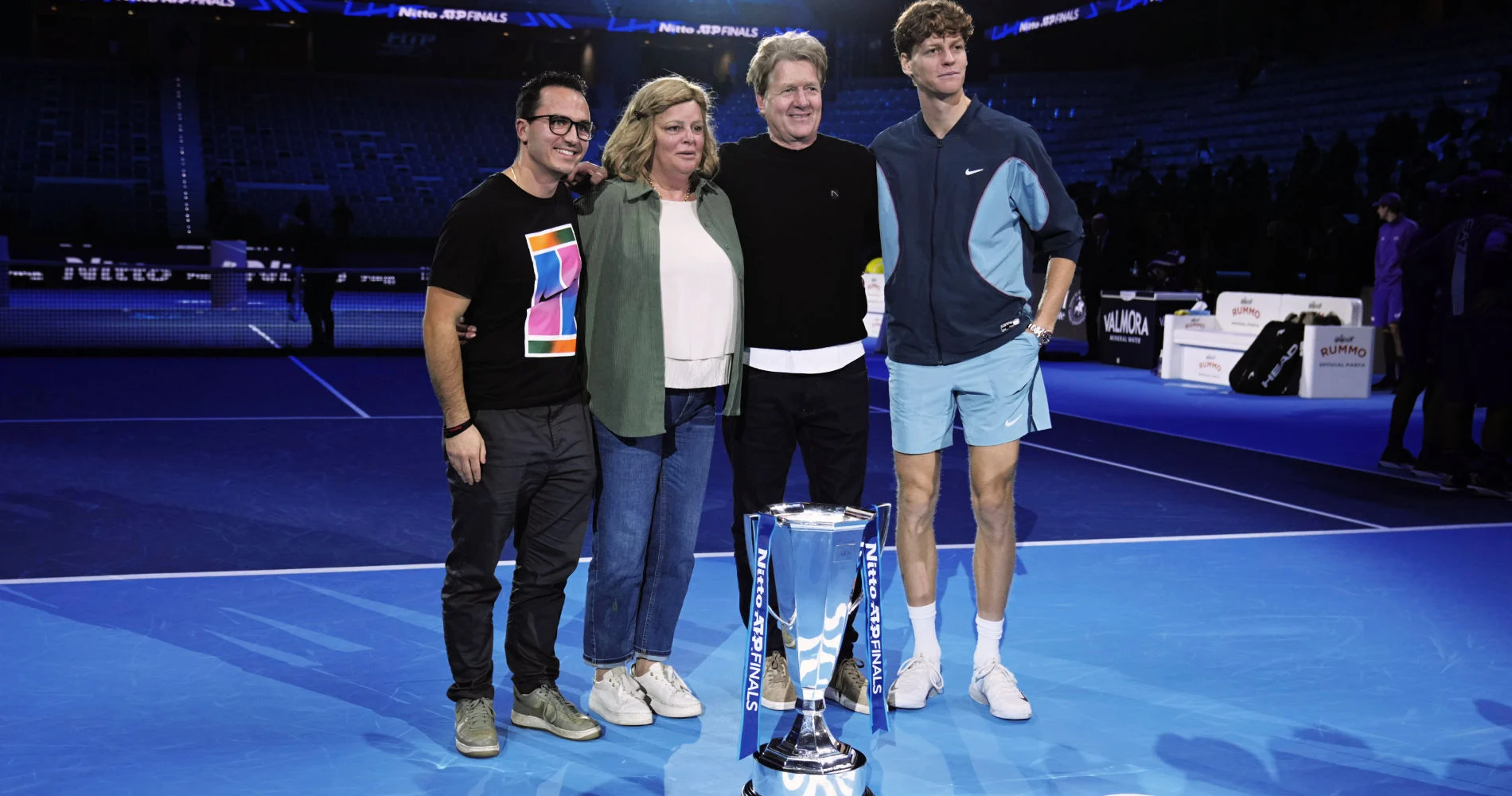
Outside of these two moments, they have not given a single interview, sat for a press conference, or appeared on Italian television to discuss their son’s career, as far as we could find it.
Neither parent has a tennis background. Neither has sought to enter the conversation around their son’s career. Hanspeter, when he comes to tournaments, sits in the box with the coaches, never in the front row, and applauds the good points without saying a word. Siglinde, who Sinner has himself said suffers more from being filmed than from watching the matches, chooses unobtrusive seats when she comes at all.
The most attention since Pantani
She has not made the Rome trip every time. This week, she did. Both parents have been at the Foro Italico, in the stands, since the tournament began. The Italian press has noticed. The press has also, by Sinner’s own account, done more than notice.
Sinner is drawing this line in a sport built on the opposite tradition – fathers and mothers who became inseparable from their children’s careers. And he is drawing it as Italy’s most famous athlete, ahead of Pecco Bagnaia (MotoGP), Gianluigi Donnarumma (football), Gianmarco Tamberi (high jump), Marcell Jacobs (sprinting) and Federico Chiesa (football). No Italian sportsperson has faced national attention on this scale since Marco Pantani. He has not complained about it. He has, with notable consistency, kept the public conversation focused on his game.
And yet, despite all this restraint on their side, Sinner’s family has become part of the story around the world No. 1. Eight days earlier, Sinner spoke then about leaving home at 13 to train, about the mother who chose to stay in Sesto with her ageing parents rather than travel to the tournaments. “Grandmother and grandfather, my mother’s parents, are both still alive,” he said. “I understand that she wants to stay home and spend as much time as possible with them. I’d also like to have more time with the family. Because when someone isn’t there anymore, you regret it.” That is what tennis costs.
The B&B in Sesto Pusteria
The Italian press, by and large, has handled the family carefully. Hanspeter and Siglinde have not been doorstepped. Their B&B in Sesto Pusteria is well-known but not besieged. The pattern of Italian tennis writing on the Sinner family has, with rare exceptions, leaned toward respectful biographical context rather than tabloid pursuit.
But the volume of attention has nonetheless multiplied. Every Italian outlet covering Sinner’s Rome week has, in some form, written about the parents being in the stands. Every shot of Hanspeter in the box, applauding silently, has been clipped and shared. The cameras have found Siglinde repeatedly. None of it is hostile. All of it, by Sinner’s framing on Monday, is too much.
“The success hasn’t changed me, and it hasn’t changed my family either,” he added. “They’re completely normal people.” Persone normalissime, as je said.
How could it be different? Sinner is not the player his parents made. They did not bring him to tennis; they ran a refuge in the Dolomites while he learned to ski, then to play, then to choose between the two. They did not coach him. They did not move with him to Bordighera when he left for Riccardo Piatti’s academy at 13. They did not enter the box at any point in his career as anything other than themselves. The reason Sinner can draw the line so cleanly is that the line was never blurred from their side.
Far from over
The week is far from over. Sinner plays his quarter-final against Andrey Rublev on Thursday. If he wins it, he will be one match from completing the Career Golden Masters, a feat only Novak Djokovic has previously accomplished, at his home tournament, in front of a country that has already adopted him as the inheritor of Adriano Panatta’s 1976 legacy.
The parents will be there. They will sit in their unobtrusive seats. They will, by everything we know about them, want exactly what they have wanted all along: to watch their son play, and then go home. What Sinner asked the press for on Monday is no more, and no less, than that.