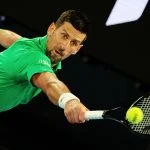
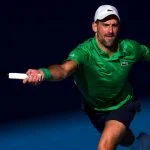
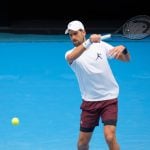
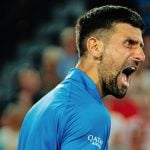
More data, less hype: Novak prioritizes biomechanical precision over betting on Big Four reversed forces this year in Melbourne
Far from 2025 Murray vibes, the 10-time champion has returned to Melbourne with a streamlined team and a clinical focus on the “kinetic chain”.
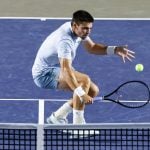
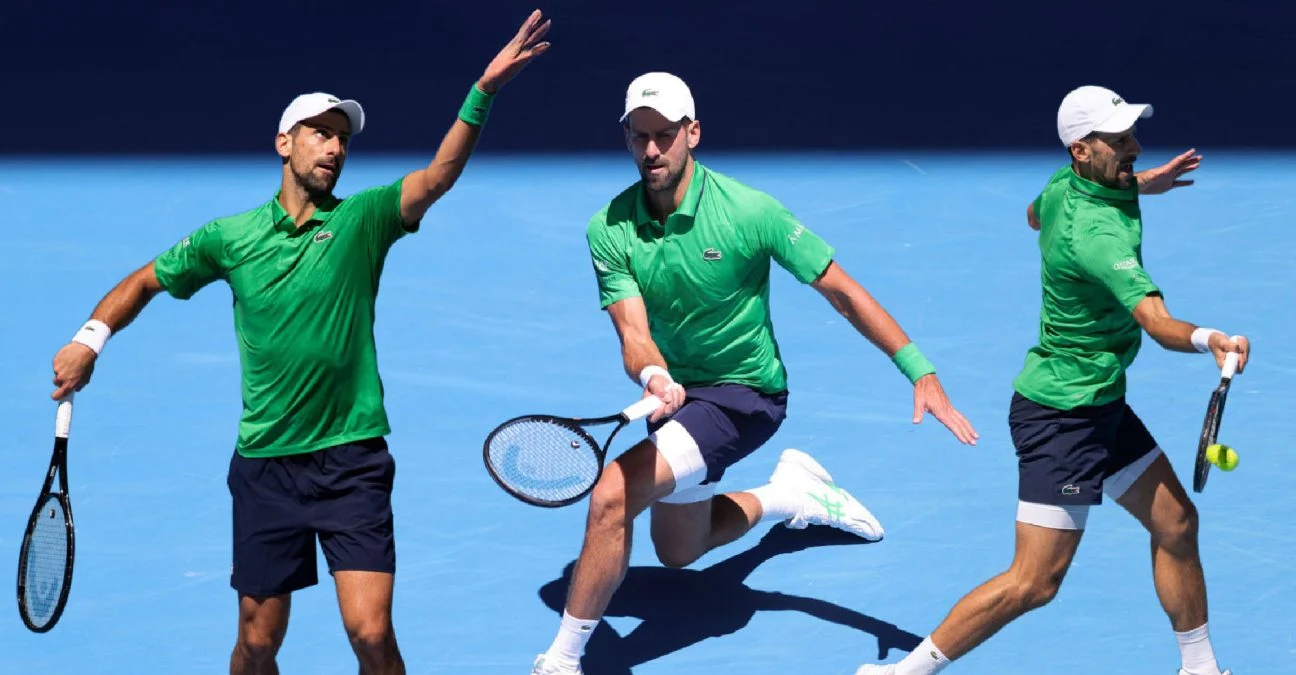 Noval Djokovic and kinetic work, Australian Open | © Imago / PsNewz

In the high-stakes theater of professional tennis, there is often a thin line between a masterstroke and a circus. Twelve months ago, Novak Djokovic arrived at Melbourne Park under the glare of a thousand camera flashes, accompanied by one of the most talked-about coach in the history of the sport: Andy Murray.
The “Murnovic” era, which officially began in late November 2024 and concluded on May 13, 2025, was supposed to be the final, romantic chapter of a 25-year rivalry – a union of the two greatest tactical minds of their generation. But as the 2025 season unfolded, the theater of the collaboration began to outweigh its utility. Despite the immense public interest, the partnership failed to produce a major title before the pair parted ways on the eve of the French Open.
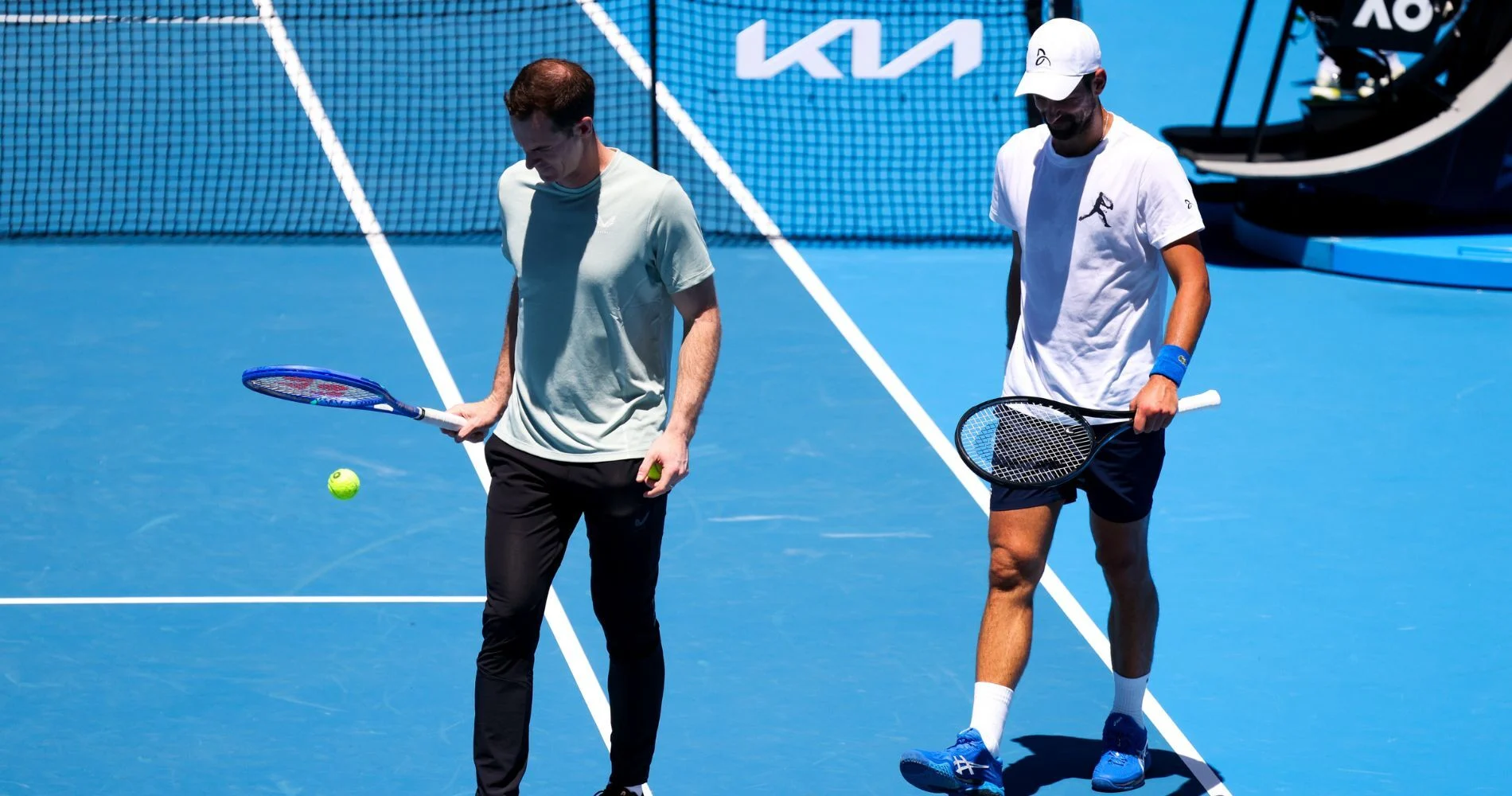
Fast forward to January 22, 2026. Following a clinical 6-3, 6-2, 6-2 second-round victory over Francesco Maestrelli, the man standing in Djokovic’s player box is not a global icon, but a meticulous analyst. In trading the star power of Murray for the biomechanical precision of Boris Bosnjakovic and a winter work with performance expert Mark Kovacs, Djokovic hasn’t just changed his staff; he has changed his philosophy for the final stage of his career.
An eight-day intensive block in Athens
The groundwork for this unblemished start to 2026 was not laid in the heat of competition, but in an eight-day intensive block in Athens this past December. There, Djokovic rebuilt his kinetic chain alongside Dr. Mark Kovacs, a world-renowned performance physiologist.
« We only worked together for seven or eight days in Athens, but its possible that well work again, Djokovic revealed on Thursday, in quotes reported by Serbian journalist Sasa Ozmo on X. He is a very qualified and highly educated expert in biomechanics and the kinetic chain. That’s the main reason we brought him in. He is one of the most cited experts in tennis, has published numerous books and holds courses on these topics. We were looking for people who are the most relevant and credible in that field. »[1]
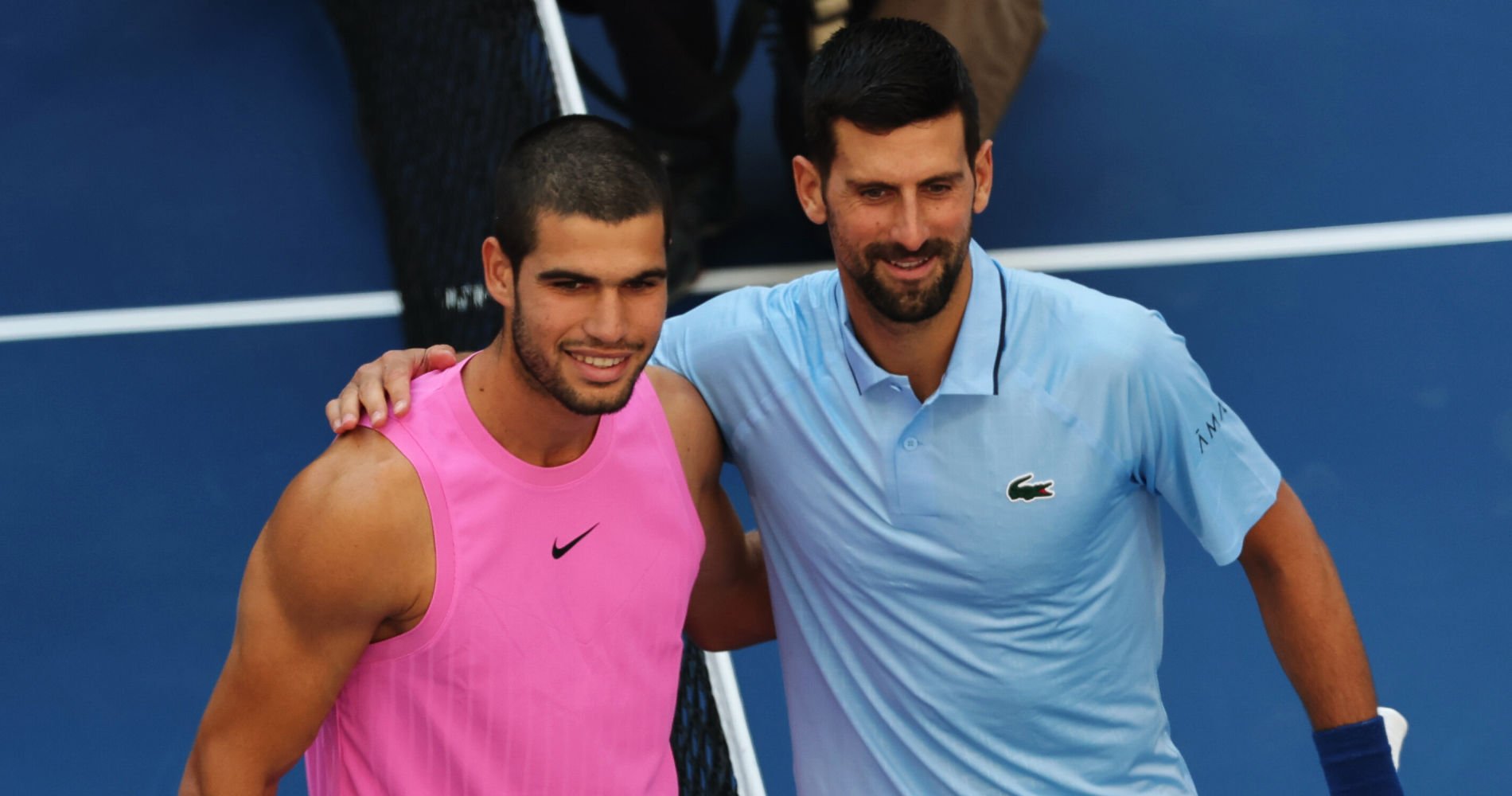
The pivot to Kovacs is a direct response to a biological reality that Djokovic is no longer interested in denying. At 38, the world number four is aware that his legend can no longer outrun the stopwatch. « Now I feel that I don’t move like I used to, he admitted with striking candor. Maybe I’ve lost a few tenths in speed, anticipation, and decision-making on the court compared to the period when I was dominating tennis – which is normal, it’s biology. At the stage of my career I’m in now, I need to compensate for what I’ve lost, to improve myself so that I can hide my weaknesses and emphasize my strengths in order to compete at the highest level with Alcaraz and Sinner. »
“You always need at least a pair of eyes on the side of the court”
This quest for hidden efficiency raises a question that was put to him during his post-match press conference: Why does a man with 24 Grand Slam titles still need a coaching team at all? For Djokovic, the answer is not about teaching him how to hit a forehand; it is about providing an objective filter for a mind that is often overwhelmed by the unique stress of elite competition.
« Well, I think you always need at least a pair of eyes on the side of the court, if not two or three pairs that know tennis, that have different expertise and different angles of seeing your game and seeing your opponents game, Djokovic explained. I obviously know the game very well, but oftentimes, particularly in the competitive weeks when you are under stress, emotions are not as at bay as they normally are. Then you have to handle much more than just your tennis and how you hit your forehand. »
He described his team – led on-site by Boris Bosnjakovic – as a necessary support system for the individual athlete who has no substitution on a bad day. « The team is there to find solutions during the match when you’re overwhelmed with what’s happening and sometimes you cannot think clearly. That’s why you look to your team and ask for some guidance and observation that can be very helpful.’
the tenths of a second
While the 2025 Murray experiment was a bet on shared instinct and champion mentality, 2026 is a bet on technical refinement and data-driven adaptation. The results – so far – are already tangible: Djokovic has reached the third round without dropping a set, appearing physically fresher and more tactically disciplined than he did during the summer of last year.
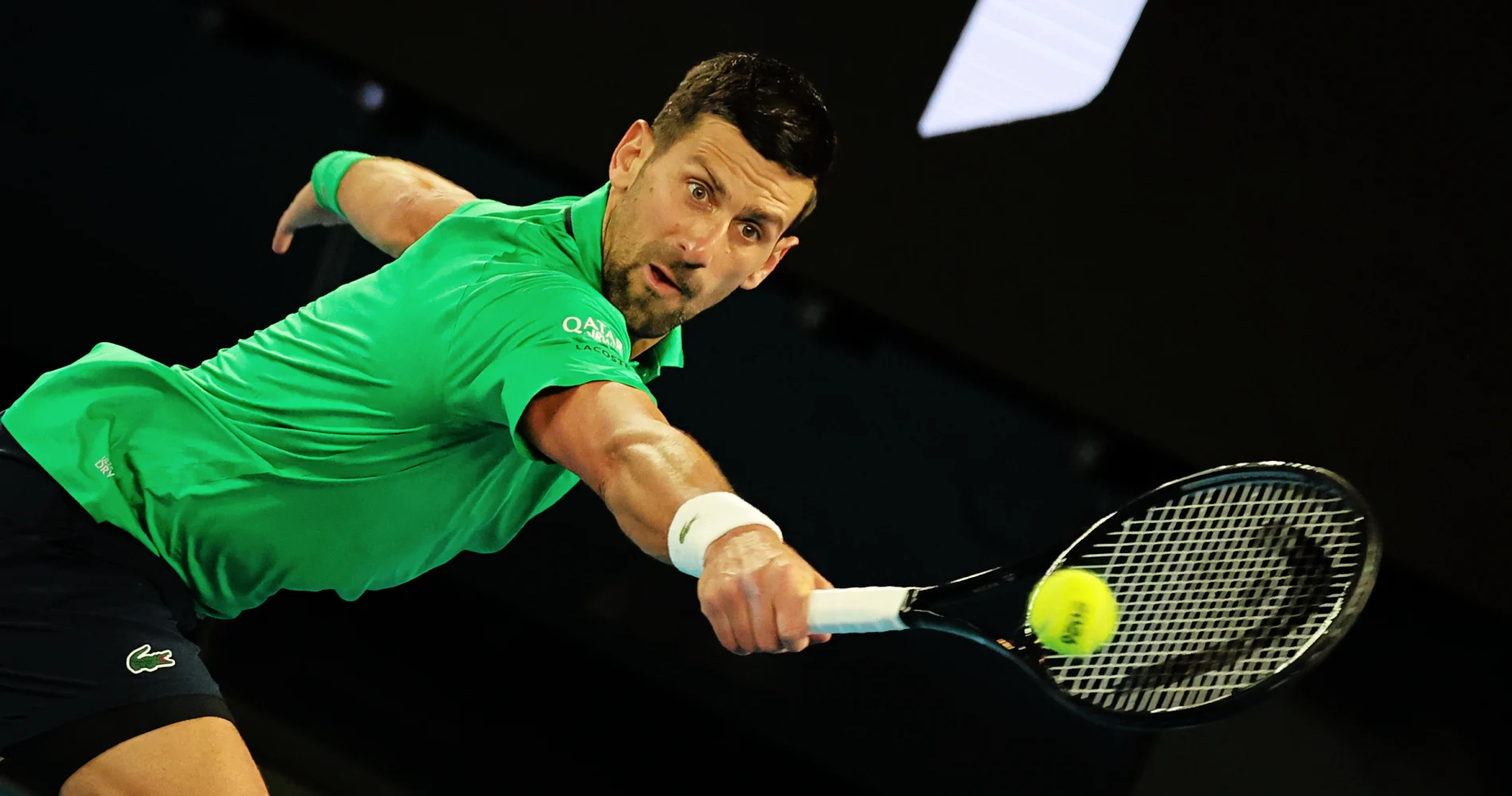
The next test of this new biomechanical Djokovic comes in the third round against Botic van de Zandschulp. The matchup is a poetic one; the Dutchman famously upset Djokovic at Indian Wells in March 2025, a defeat that signaled the beginning of the end for the Murray partnership. As he prepares for the rematch, Djokovic is no longer looking for the inspiration of a rival in his corner. He is looking at the data, the kinetic chain, and the tenths of a second he worked to reclaim in Athens.
The Djokovic Melbourne 2026 Team
- Boris Bošnjaković (Lead Coach & Analyst): Following the split with Andy Murray in mid-2025, Bošnjaković has taken the lead role. He is the “pair of eyes” Djokovic referred to today, providing tactical data and real-time adjustments.
- Dušan Vemić (Head Coach): A long-term confidant and former Serbian Billie Jean King Cup captain, Vemić shares head coaching duties and handles the on-court hitting and technical drills.
- Miljan Amanović (Physiotherapist): Djokovic’s most trusted physical therapist. He is responsible for the daily recovery sessions that Novak described as critical for managing his “38-year-old biology.”
- Dalibor Širola (Fitness Trainer): The former trainer of Jannik Sinner who joined Team Djokovic in late 2025 to replace Gebhard Phil-Gritsch. He is the man tasked with maintaining Novak’s flexibility and “hiding the speed loss” he mentioned in his press conference.
[1] Djokovic refers to Tennis Training: Enhancing On-Court Performance, (2007, Racquet Tech Publishing), Tennis Anatomy, (2011, Human Kinetics), Complete Conditioning for Tennis (2nd Edition), (2016, Human Kinetics), Tennis Anatomy (2nd Edition), (2019, Human Kinetics) and Dynamic Stretching, (2010, Ulysses Press)