How compression socks can support women who play tennis
Tennis often leads to heavy, fatigued legs. Compression socks can offer practical support for women players, aiding circulation and recovery. Learn how to choose and wear them effectively to keep your legs feeling fresher, enhancing performance and making recovery routines easier.
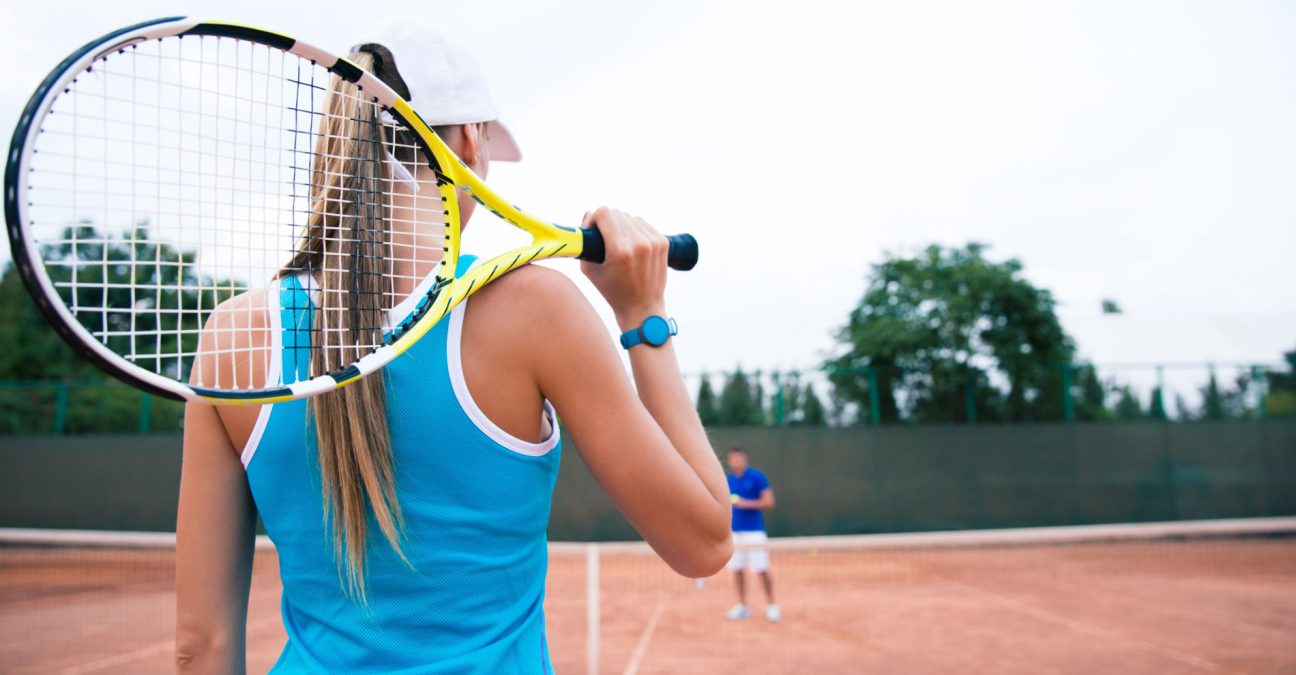 How compression socks can support women who play tennis | © Shutterstock / Picmonkey
Why tennis makes legs feel heavy, even when you’re fit
Tennis is a sport of contrasts: graceful footwork followed by sudden braking, light split-steps followed by explosive sprints. Over a match, your calves and shins act like shock absorbers, especially on hard courts where every landing sends a small jolt back up the chain. Add long rallies, changeovers that let the muscles cool down, and nerves that make you grip the ground a little harder, and it is no wonder legs can feel “full” or tight by the second set.
Many recreational players assume that heavy legs are purely a conditioning issue. Fitness helps, but tennis fatigue is also about repetition and micro-stress: dozens of small accelerations, pivots, and decelerations that keep lower-leg muscles switched on for long stretches. The goal is not to eliminate fatigue, it is to manage it so you keep moving well late in a match, when footwork usually decides the points.
What compression does, in plain language
Compression socks apply graduated pressure, typically firmer around the ankle and easing up the calf. That gentle squeeze is designed to support circulation in the lower legs, which can feel helpful after long training sessions, travel days, or tournaments with multiple matches. For tennis players, the appeal is practical: anything that reduces the sensation of swelling or “dead calves” can make recovery routines easier to stick with.
Some women also like the proprioceptive feel, that snug, stable sensation around the ankle and calf that can make you feel more “connected” to your footwork. It is not a magic performance switch, and it will not replace strength work, hydration, or good sleep. Think of compression as one more tool in a kit that already includes smart training, warm-ups, and recovery habits.
Choosing a pair that works for tennis, not just for sitting
Start with fit, not fashion
Fit is the make-or-break factor. A sock that is too loose will slide and bunch during lateral movement, while one that is too tight can feel distracting or uncomfortable around the toes and Achilles. Measure when your legs are not at their most swollen, typically in the morning, and follow the sizing guide for calf circumference and ankle size rather than guessing by shoe size alone.
Look for breathable, match-friendly details
Tennis is sweaty and stop-start, so fabrics matter. Breathable knits, moisture control, and a seam that does not rub under your shoe are small features that become very noticeable in the second hour on court. If you play in warm weather, a thinner, well-ventilated compression sock can be more realistic than a thick one that feels great at home but gets abandoned mid-session.
If you are comparing options, it helps to scan a curated range of compression stockings for women so you can see different lengths, compression levels, and materials side by side before deciding what fits your training and climate.
When to wear compression around tennis
Before play: for warm-up and “ready legs”
Some players like to wear compression socks during a dynamic warm-up, especially if they arrive from a desk, a car ride, or a chilly clubhouse where legs can feel stiff. A brisk warm-up still matters most, think skipping, leg swings, calf raises, and a few progressive sprints, but compression can add a feeling of support as you start moving.
After play: for recovery you’ll actually do
For many women, the sweet spot is after matches and tough training blocks. Slip them on during the drive home, while stretching, or while making dinner, and it becomes an easy routine rather than another “recovery task” you never quite get to. If you have ever stepped off court with calves that feel pumped and tender, that gentle pressure can feel comforting while your body winds down.
During travel and tournament weeks
Tennis often involves travel, and travel involves long periods of sitting. Compression socks are commonly used on flights or long car journeys, particularly during tournament weeks when you want to arrive with legs that feel as normal as possible. Pair them with simple habits: stand up when you can, flex and point your feet, and drink water consistently rather than chugging it at the last minute.
If you want to explore general-purpose options across different sports and recovery needs, STOX compression stockings is one place where you can compare styles and specs in a single lineup.
How to pair compression with the habits that keep you moving well
Build calf and foot strength (your “tennis suspension system”)
Compression can feel supportive, but the foundation is strength and capacity. Two or three times a week, try a simple circuit: single-leg calf raises (straight knee and bent knee), tibialis raises against a wall, and slow, controlled ankle hops. Keep the reps tidy rather than rushing, you are teaching your lower legs to tolerate repeat impacts and fast direction changes.
Hydration and electrolytes: the quiet difference-maker
Cramps and heavy legs are not always about dehydration, but hydration is a low-effort variable you can control. If you sweat heavily or play in heat, consider an electrolyte drink during long sessions. A good rule of thumb is to sip consistently and pay attention to how your socks and shoes fit after play. If everything suddenly feels tighter, that can be a clue you need more fluid management and recovery time.
Recovery that fits real life
The best recovery plan is the one you repeat. A short cool-down walk, five minutes of gentle calf stretching, and a protein-forward snack can be more effective than an elaborate routine you do once and forget. Compression socks can slot into that rhythm: wear them while you stretch, answer messages, or watch highlights from the day’s matches, and you are supporting recovery without rearranging your life.
Quick checklist for first-time buyers
Choose a height that suits your use: knee-high is common for lower-leg support, while shorter lengths may feel easier in hot weather. Prioritise accurate sizing and comfort in the toe box, since tennis involves constant forefoot loading. Test them on a practice day before you rely on them for a match, and if you ever feel numbness, pinching, or unusual pain, take them off and reassess fit and compression level.
Tennis is a game of small margins, and so is recovery. When your legs feel a touch fresher, you split-step on time, you chase one more ball, you stay balanced on the wide forehand. Compression is not the whole story, but used thoughtfully, it can be a surprisingly practical chapter in it.





More tennis news
Sinner ends 2026 season due to knee inflammation, misses ATP Finals


October 6, 1986: The day Pat Cash clashed with Brad Gilbert en route to Davis Cup glory


Djokovic into Beijing final vs. De Minaur after Medvedev is disqualified!


Alcaraz recovers from a set down against Munar to set up Tokyo final with Lehecka

October 5, 1918: The day French aviator Roland Garros was killed during World War I