Mouratoglou : « In Rio, our players lived a once-in-a lifetime experience »
Patrick Mouratoglou, founder and chairman of UTS, reflects on the key takeaways from the Rio de Janeiro event, which created intense pressure for non-Brazilian players – yet American Brandon Nakashima still prevailed.
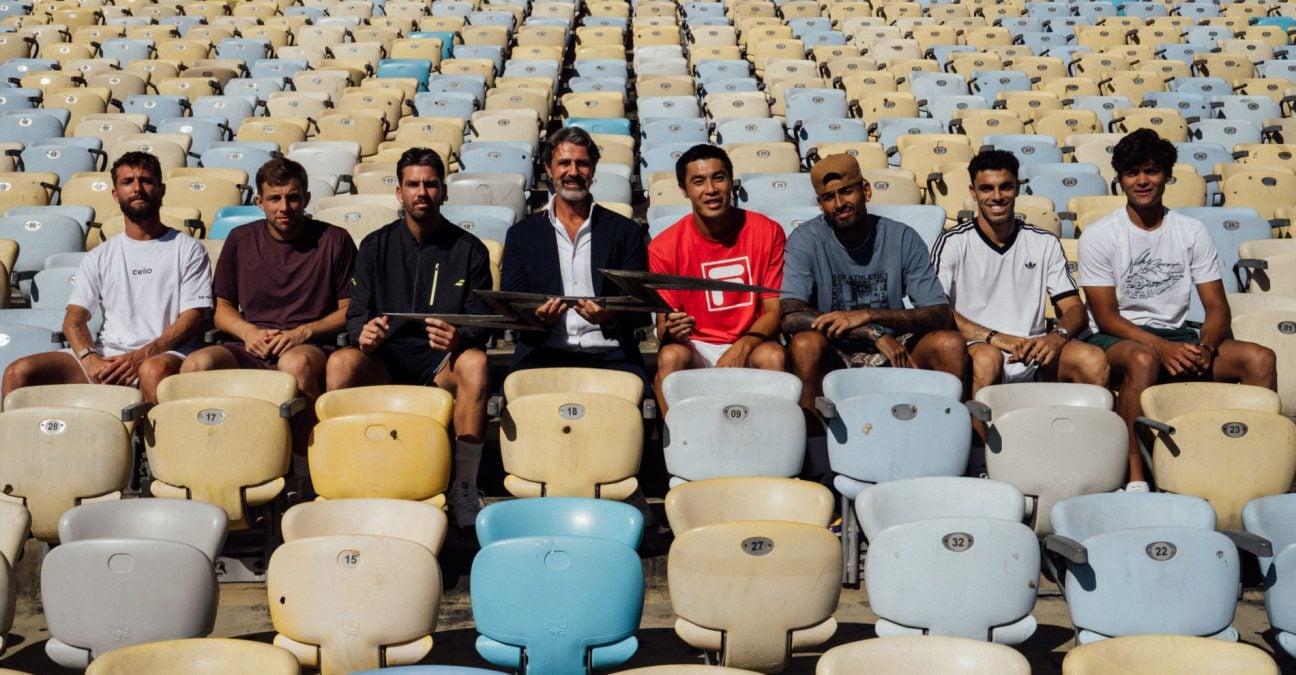 Patrick Mouratoglou and the field of UTS Rio | © UTS Rio

UTS Rio by XP was one of these events with a lot of new players in the field. What feedback did you get generally speaking from them?
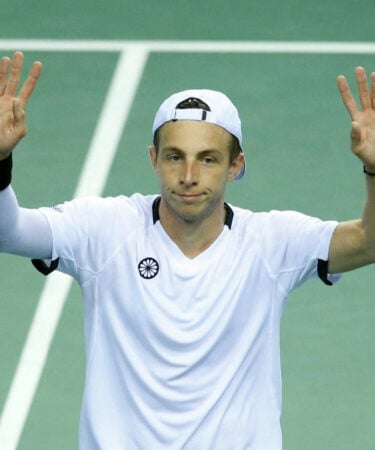
Patrick Mouratoglou: Well it was very difficult at the start, because first of all it’s very new, it’s very different from traditional tennis, and it’s much more physical. There are a lot of strategies to prevail, but they’re different from traditional tennis strategies. Second, most of them played against Brazilian players in Brazil with a crowd that was booing them non-stop on key points, to a point that was crazy. And surprisingly, they told me they enjoyed it. You could see Griekspoor, for example, even though he was booed unbelievably because he was playing against Fonseca, he enjoyed it a lot. I saw him the morning after and he told me it was an incredible experience, something you can live only once in your life.
UTS crowds are generally speaking very lively, but what was the specificity of the Brazilian crowd?
Patrick Mouratoglou: They booed the opponents of the Brazilian players before every serve and shouted non-stop as loudly as they could. That’s quite unique. But again, they liked it. Even the players who were the victims of it enjoyed it because this is why they play sports. They are sports people because they want to feel emotions, whether incredibly positive or difficult. When the crowd is alive, they feel they’re competing. Generally in traditional tennis, commentators would say: “Oh, that’s gone too far, that’s not good sportsmanship.” The codes of traditional tennis are extremely conventional, so this public commitment can be seen as something really bad. But if you look at other sports—basketball or football—it’s perfectly acceptable to cheer for your team and to challenge the opponent. In traditional tennis, people who come to the stands feel they’re not allowed to do this. I don’t buy that. Because if the opponent liked it, it means they never felt it could be unhealthy or unsafe.




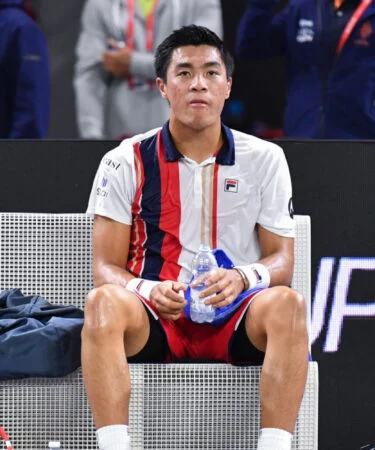
Let’s talk about the champion, Brandon Nakashima. He had a slow start, but he came out solid in the end.
Patrick Mouratoglou: Brandon did an incredible job because it was his first time on the UTS Tour, in the most difficult conditions—he played twice against a Brazilian in Brazil, Guto Miguel. He missed so many serves because of the crowd noise in the round-robin stage, and I believe he found a way to enjoy it the next day. He performed incredibly well. What impressed me was his movement, his ability to counterpunch effectively, and overall the fact that he was so difficult to put out of position. He played deep, he played fast. And whenever the opponent was slowing down, boom—he was attacking, finding angles, and finishing at the net. He was incredible at net, producing some fantastic half-volleys. I’d rate his performance as top-level for the Final Four.
What makes him so very compatible with UTS?
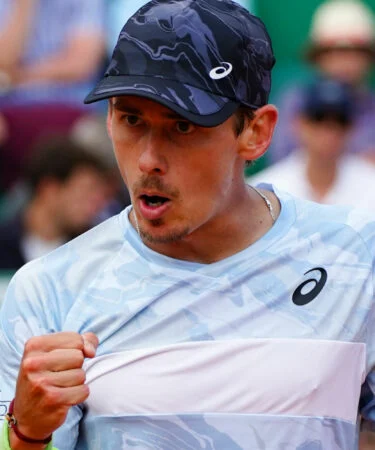
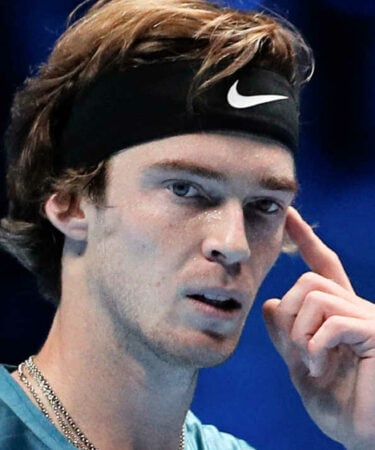
Patrick Mouratoglou: This type of player – super consistent, great movers with excellent cardio – are very dangerous at UTS. He shares those qualities with Cerundolo, who won in Hong Kong in 2025, with Alex de Minaur, our double champion, and with Rublev, another guy who has won several times.
The stadium was packed with people shouting his name, so Fonseca could only feel intense pressure.
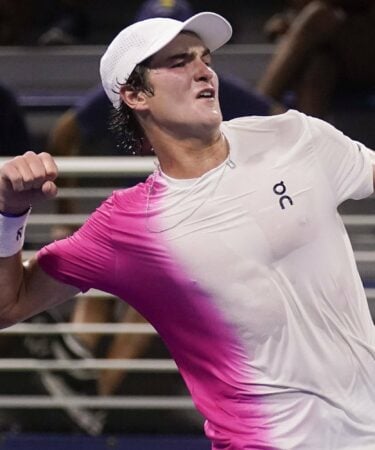
The revelation of the week was 17-year-old Guto Miguel, a runner-up who defeated Kyrgios, Nakashima, and Cerundolo. We’re not here to put pressure on anyone, but what’s the potential of this youngster?
Patrick Mouratoglou: He has huge potential. Of course, we’re going to see him again on the ATP Tour on TV in the next two or three years, and then we’ll see how far he can go. But he showed many abilities – great tennis skills, of course, but also mental qualities. He has both.
It’s key for UTS to showcase great players from the regular tour. João Fonseca didn’t qualify for the Final Four.
Patrick Mouratoglou: I believe he didn’t have time to play practice matches beforehand. He played against someone like Nick Kyrgios, who’s much more used to UTS. The stadium was packed with people shouting his name, so he could only feel intense pressure. In the first match, you could see he couldn’t find his timing, so he struggled. He played better and better as the week went on. His sole defeat cost him the semi-final. I’m sure he will want to come back and do much better because I know that’s his mindset.
How important is it for UTS to have pure tennis stars like Fonseca and very young prospects like Guto? It’s probably the first time we’ve had such a gap between the players in the field.
Patrick Mouratoglou: I believe it’s amazing to have top players and future top players—even more so when they’re locals. In Brazil, we had the Brazilian star and one of the future top Brazilian players. People will go back home saying: “Oh, I discovered a young player from our country who’s going to be great.” That’s what UTS brings to tennis fans. They can also be ambassadors for the sport. Guto will remember UTS all his life because of this opportunity—to play in front of his home crowd, against some of the best players in the world, perform well, and reach a final. That’s something you can never forget.