“In a way it freed me up”: Sorana Cirstea on the late-career breakthrough she didn’t expect
Sorana Cirstea announced this would be her last year on tour. It is shaping up as one of her best. The 36-year-old explains, with unusual clarity, why deciding to leave unlocked the tennis.
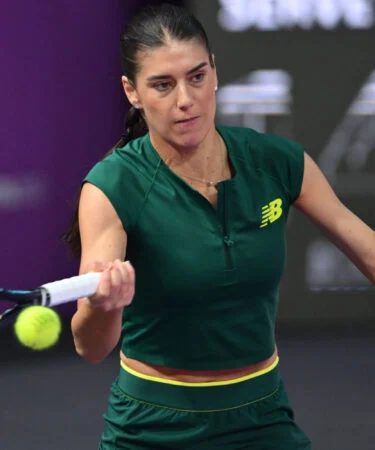
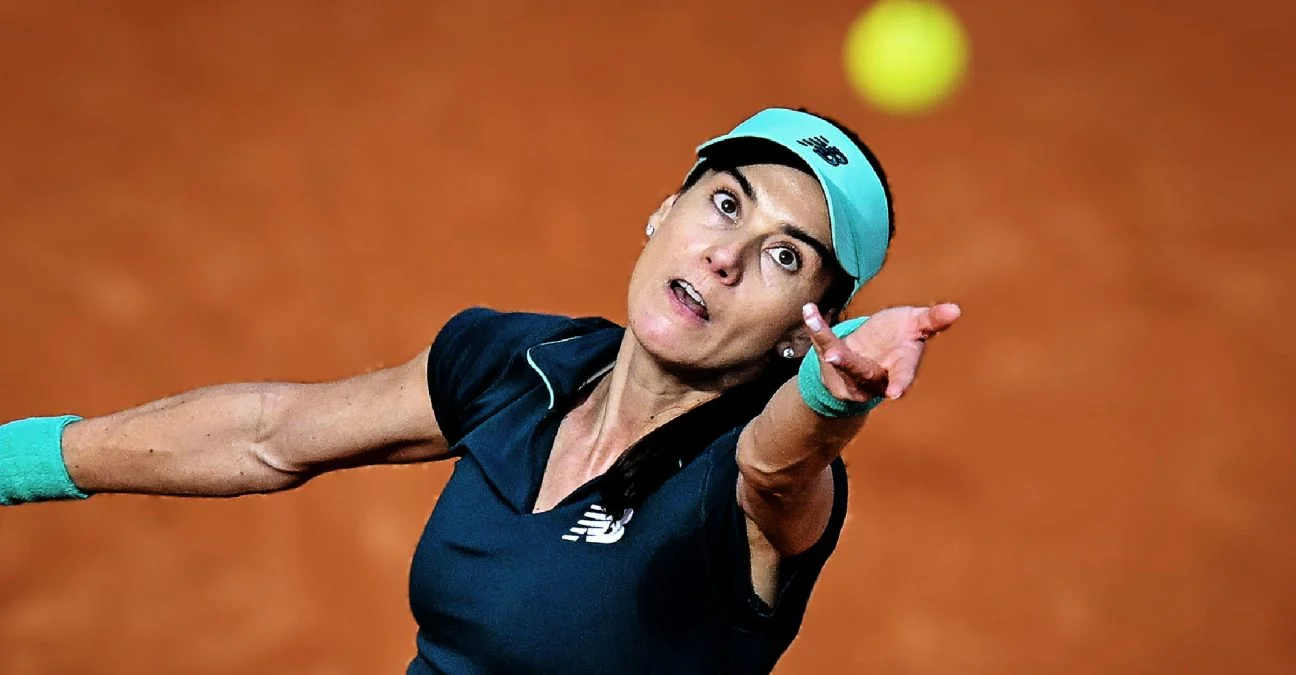 Sorana Cirstea, Rome 2026 | © PsNewz

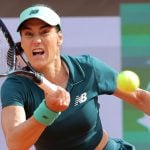
When Sorana Cirstea announced this would be her final year on tour, she did not expect the year to look like this. In February, she won the Transylvania Open at home in Cluj. On Saturday, at 36 years and 28 days, she beat the world No. 1 Aryna Sabalenka to become the oldest player since the WTA rankings began in 1975 to record a maiden top-ranked win.
On Monday, she beat Linda Nosková to reach the Rome quarter-finals. And on Monday afternoon, in her press conference, she was asked about the obvious paradox: why is the season she planned to end with looking like one of the best of her career?
If Cirstea reaches the final, she will make her Top 20 debut in the WTA Rankings, becoming the oldest player to make a Top 20 debut. She currently holds a career-high ranking of No.21, reached for the first time in August 2013.
Cirstea: “Didn’t have to prove anything any more”
“In a way it freed me up a little bit,” Cirstea said. “All those expectations just maybe went through the window, because I didn’t have to prove anything any more. This year has been going great, above any expectations I had. I’m just enjoying. I love this sport. I love tennis.”
That sentence reframes the season. The retirement announcement, in her telling, was not the closing chapter she thought she was writing. It was the moment that unlocked the tennis. By stopping needing to prove anything, she found her best level. The pattern is not unique in late careers, but it is unusual for the player herself to be this clear-eyed about it in real time.
Asked about regrets, she split the years cleanly down the middle.
If I do have regrets, it’s for the beginning of my career. I could have been more disciplined.
“If I do have regrets, it’s for the beginning of my career. I could have been more disciplined. There are lots of things I could have done better. The last part of my career, I feel I’ve really given everything to tennis. I worked hard. I was disciplined. I’m happy that I managed the last couple of years to also enjoy. Be competitive, have ambition, want to do, but also be able to enjoy. I love tennis. I love the sport. I found that balance.”
The balance Cirstea describes is, on her own framing, the achievement of the late period. The earlier version of herself, by her own description, had the ambition but not the discipline. The discipline arrived. So did the wins, in their late and somewhat unexpected way.
Asked which version of herself she would pick – the player she was at 21, when she made her first Slam quarter-final at the US Open in 2014, or the player she is at 36 – Cirstea did not hesitate.
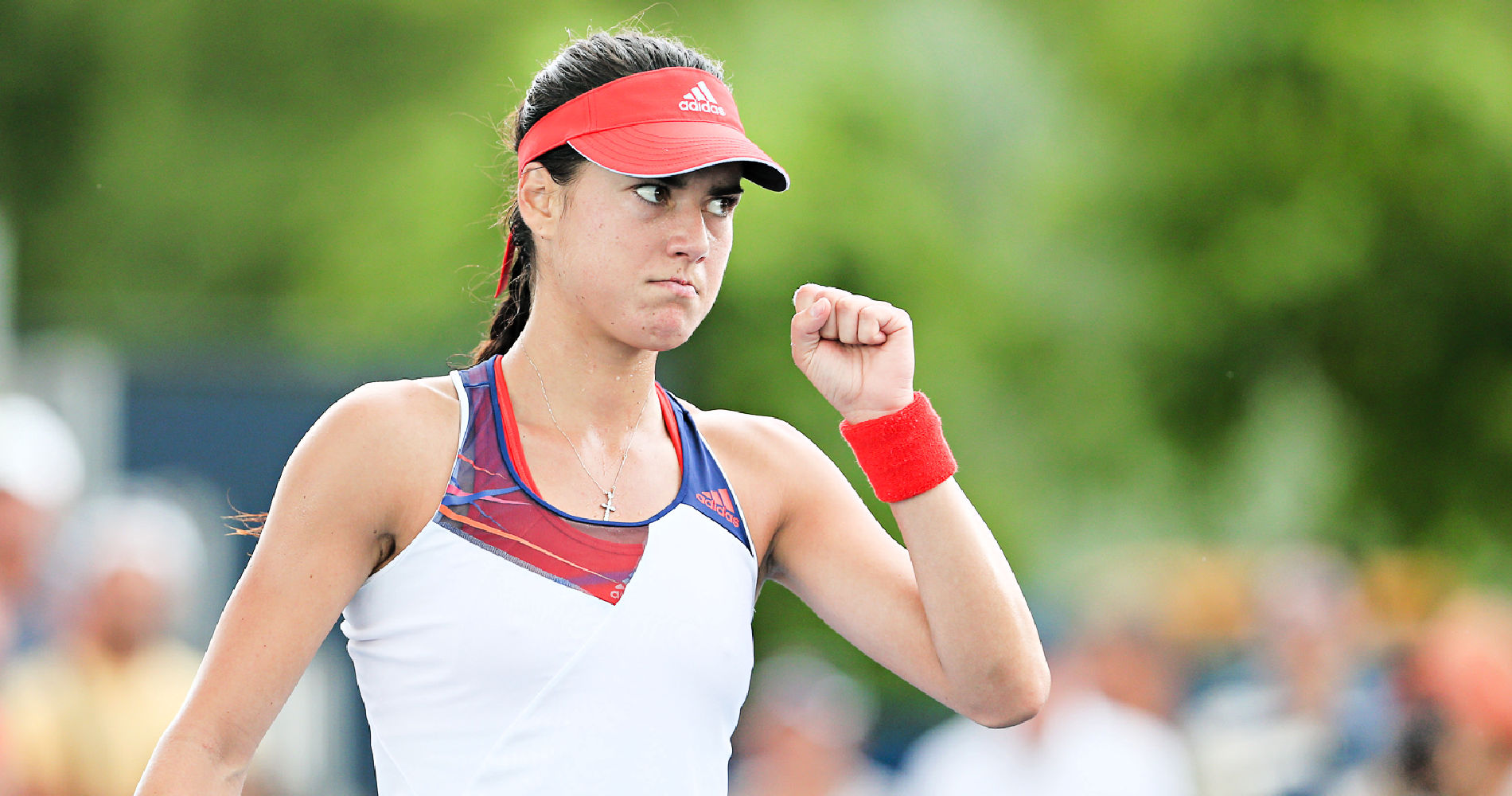
“Sorana from now”
“I’d pick Sorana from now,” she said. “I do feel physically stronger and smarter on the court. I don’t remember much from that time. I actually tend to have a short memory. I’m a more complete player. I have more solutions, I’m more consistent, I have better weapons. I worked really, really hard, more than 10 years.”
Where she goes next, on her current account, is genuinely undetermined. The retirement plan she has been articulating all year is still in place — “my mind is quite set that at the end of the year, I want to retire,” she said over the weekend — but the door, as she put it then, is still slightly ajar. “You never know how things go in life. You always plan things, but then it doesn’t always happen like you plan.” The ranking is climbing back toward the top 20.
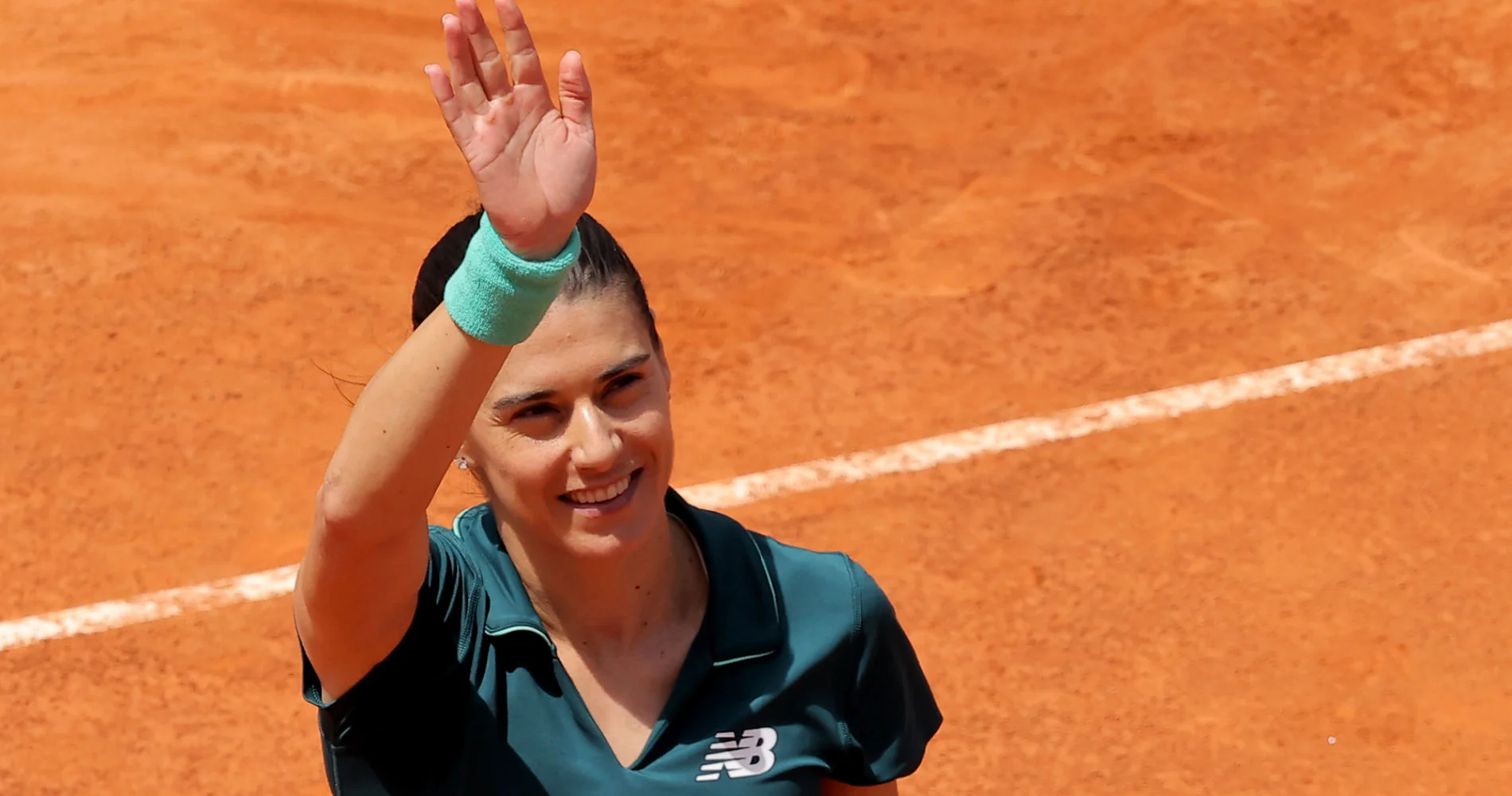
he body, on her account, is “way younger than what my passport says.” The matches keep coming. The plan keeps holding, and not holding, in roughly equal measure. She is also clear that the number itself is not the point.
“I’m trying not to be defined by a number,” she said. “If I’m 21 or 17 at the end of the day, my life won’t change. We are all competitive, we’re ambitious. We want to improve and we want to get better. But I’d rather have goals regarding my game where I can improve and see how far I can go.”
Still work to be made
Asked what those goals were, she gave a list of small ones. The serve. The return. Getting quicker. Taking the ball earlier. Things to do better. The work, on her account, has not stopped.