Out-of-body, feet on the ground: how Maja Chwalinska holds her fairytale together
World No. 114 Maja Chwalinska, a qualifier, reaches a Grand Slam final. She feels ‘in a bubble,’ staying remarkably grounded despite her fairytale run. Her serene focus on the game, studying opponents, and natural instinct drive her unexpected success.
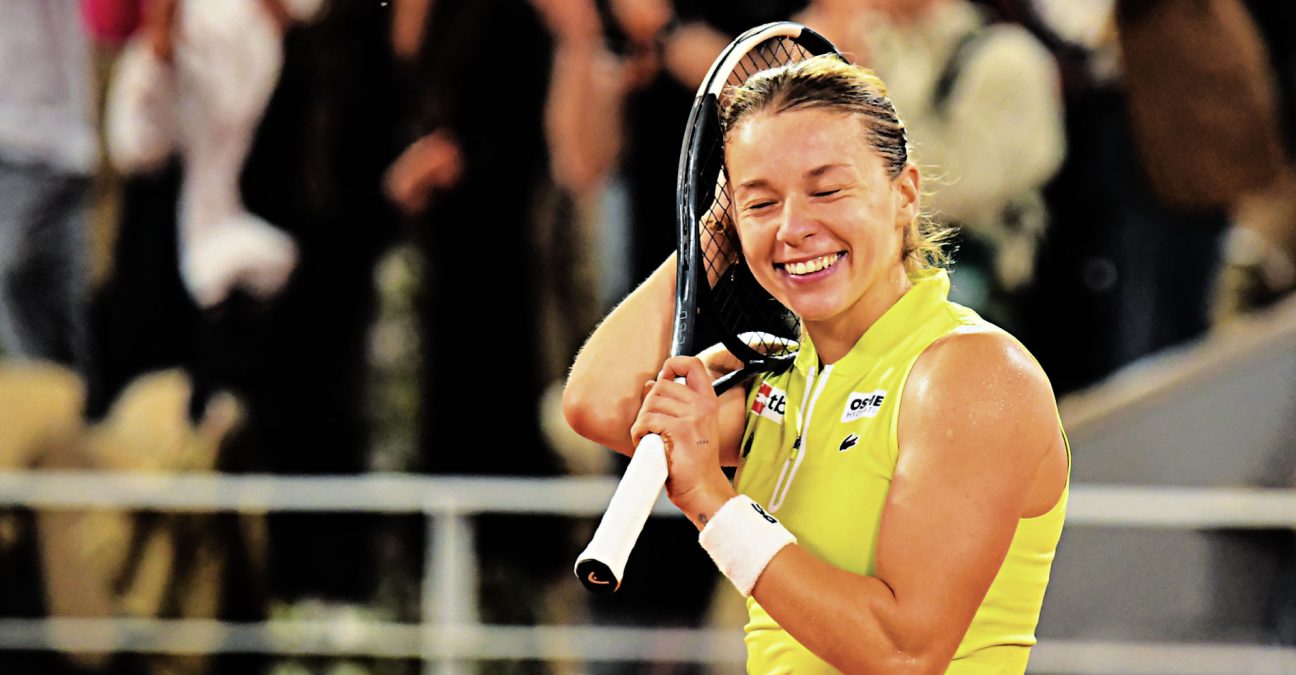 Maja Chwalinska, Roland-Garros 2026 | © PsNewz

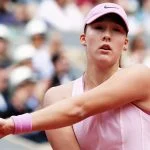
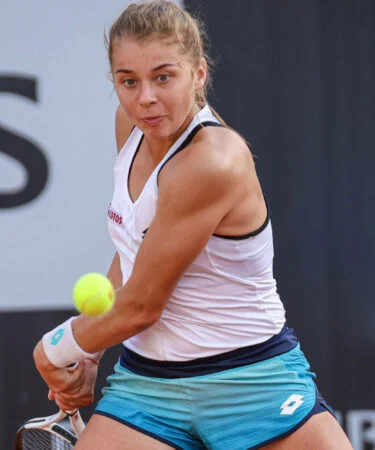
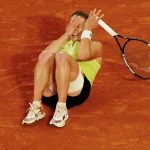
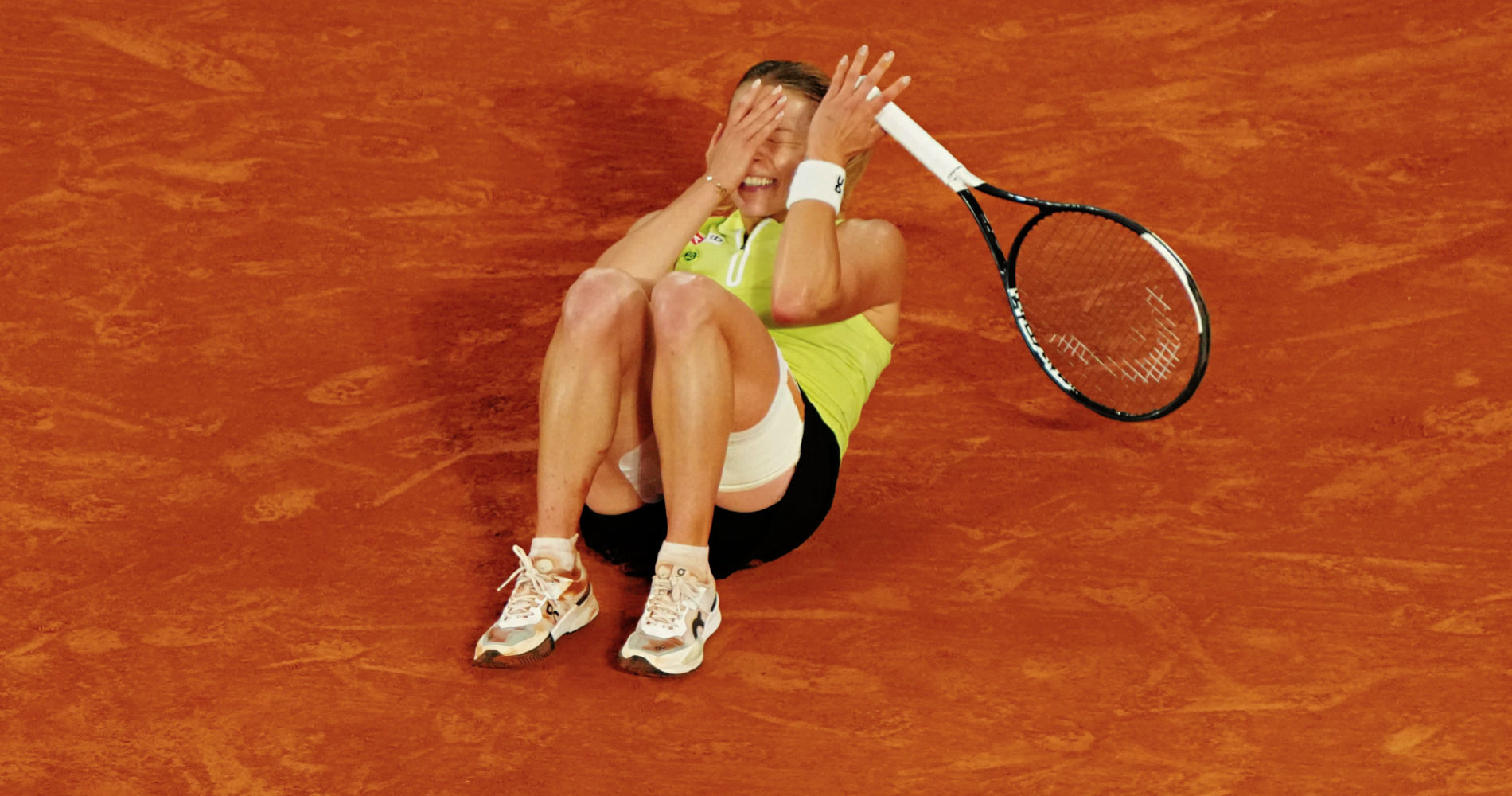
Maja Chwalinska keeps describing herself as being inside a bubble, and the word does a lot of work. The world No. 114 is into a Grand Slam final having arrived through qualifying – nine matches across three weeks, the kind of run that, on paper, should overwhelm a player who had never before won back-to-back matches at a major.
Instead she sounds almost serene. “I feel like I’m in a bubble,” she insists. “I don’t know what’s going on. I’m just very happy to be here.”
What makes Chwalinska compelling is the gap between the scale of the story and the flatness with which she tells it. Pressed to separate the surreal from the ordinary – to sort the out-of-body moments from the daily grind – she rejected the premise. “Nothing changes for me. I’m just playing tennis,” she said. “The stage changed, but honestly I’m just playing tennis and practising. I just want to win whatever I’m playing.”
Chwalinska’s clarity
Asked, then, what was so hard to process, she located it precisely, the way she locates everything. “The result, I guess. Let’s not pretend anyone expected it. I was outside the top hundred, and now I’m in the final. So it’s a big thing – that’s what’s hard to process.”
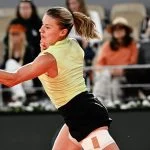
That clarity is not just a press-room manner; it is visibly how she plays. The most admired feature of her tennis this fortnight has been an uncanny sense of where the ball is going – anticipating at the net, covering the court as if she’d read the point in advance. She broke it down without mystique.

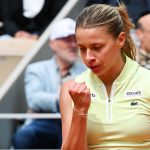
“I think it’s a few things,” she said. “First, I definitely study my opponent. The second thing, I think it’s natural. And the other thing is watching tennis – when I was younger I watched it all day, every day. I feel like it really helps me read the game better.” The fan became the finalist, and the watching turned into instinct.
The grounding shows most under friction. She has played this final-four with a cold, a detail she waved off rather than leaned on. “I started feeling worse after the fourth round,” she said. “Honestly, today is better than yesterday — I think I’m coming out of it now.”
I don’t know what I’d have to be stressed about, because I say what I think.
The big room of journalists – a world away from the “tiny little group” she met in after earlier rounds – does not rattle her either, and her reason is disarming. “I don’t know what I’d have to be stressed about,” she said, “because I say what I think.” The same goes for the noise she is now generating online; she manages it by choice. “You can’t cut yourself off 100%, but it’s a matter of choices. I don’t go into the apps.”
So Chwalinska keeps the fairytale and the routine in separate columns, and tends the routine.
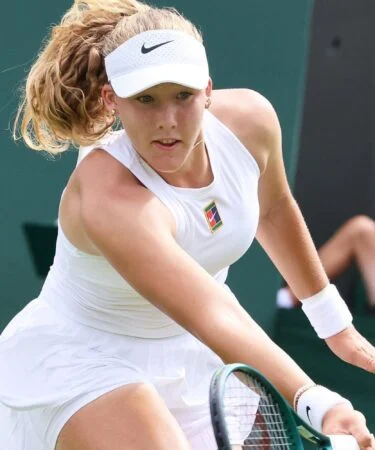
She is not, by her own cheerful admission, a tennis obsessive – recovery before Saturday means sleep, tea, and “maybe I’ll watch something good, because I’m not a tennis freak.” The pizza her coaches insist on every day stays on the menu. The final, and Andreeva, can wait. “For now I’m not thinking about that – I’ll leave it for tomorrow,” she said. “I just have to play the best I can, and we’ll see how far that’s enough.” She’ll play to become the second qualifier ever to win a Grand Slam tournament.