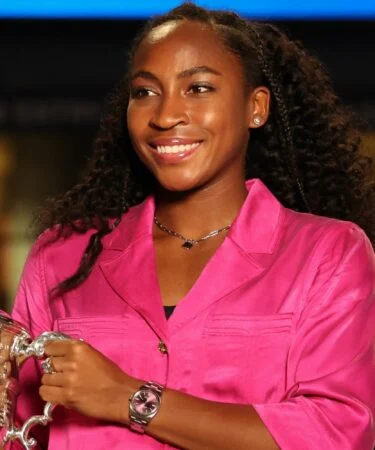
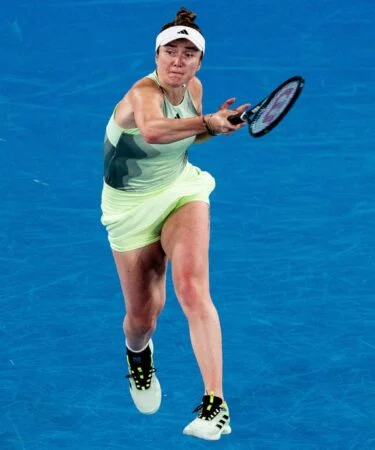
Svitolina back on top of Rome eight years on, beating world Nos. 2, 3 and 4 in four days
Elina Svitolina (No 7) won her third Rome title, beating Coco Gauff (No 3) 6-4, 6-7(3), 6-2 to complete one of the most demanding paths to a WTA 1000 trophy in recent memory.
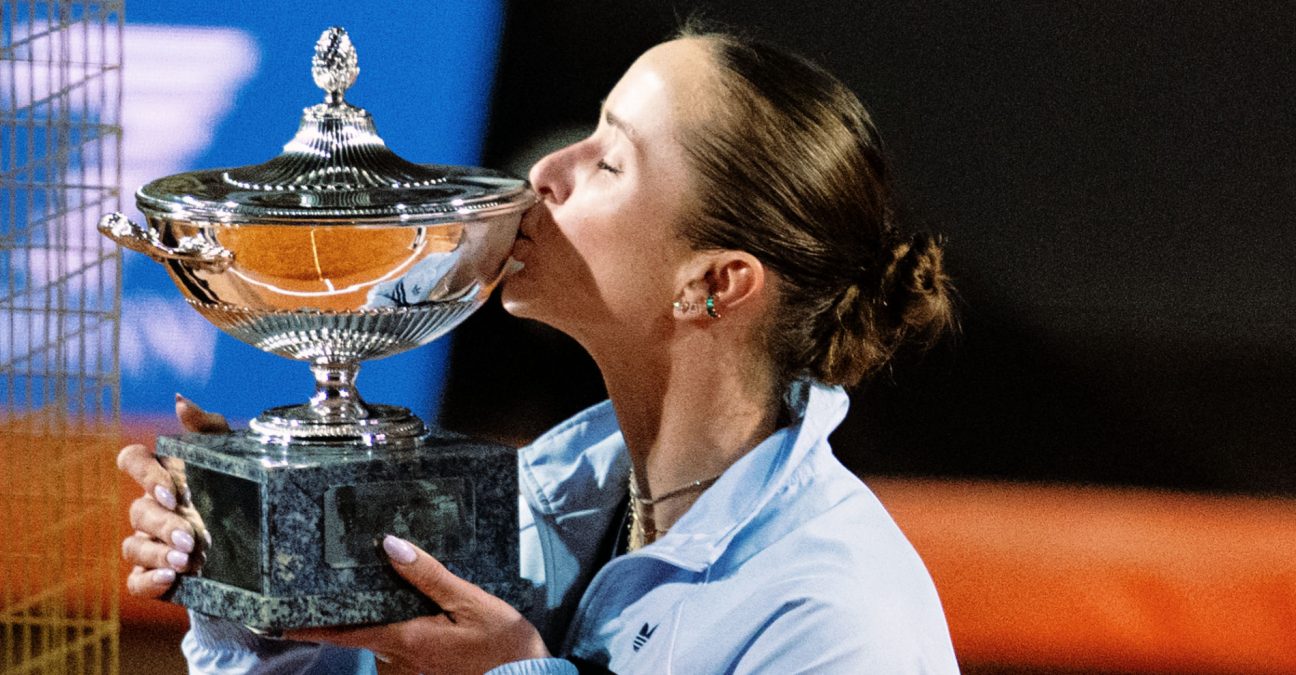 Elina Svitolina, Rome 2026 | © Foto FITP

Ukrainian No. 7 seed Elina Svitolina won her third Rome WTA 1000 title with a 6-4, 6-7(3), 6-2 win over American No. 3 seed Coco Gauff on Campo Centrale, the 31-year-old completing one of the toughest title paths in recent tour memory – past Elena Rybakina (No. 2), Iga Świątek (No. 3) and Gauff (No. 4) across her last three matches, all in three sets.
Svitolina last lifted the Rome trophy in 2017 and 2018. Eight years on, after the birth of her daughter Skai and a return to the tour that began in 2023 unranked, she has won it for the third time. It is her 20th WTA singles title, her fifth at WTA 1000 level, and her seventh top-10 win of 2026 w the 50th of her career. She is now 8-0 in clay-court finals.
Elina Svitolina becomes the fifth woman to win the Rome Open three times or more, a list tat includes Conchita Martinez, Serena Williams, Maria Sharapova and Iga Swiatek.
The match turned on one game in the first set. Gauff, broken early in her own opening service game by Svitolina’s return, recovered to lead 4-2 with a love hold. Serving at 4-3 and 40-0, she stood three points from a commanding 5-3 lead. She lost the next five points and got broken. From 4-2 ahead, Gauff lost four consecutive games. Svitolina, who had needed a long deuce hold at 4-3 to stay in the set, took it 6-4.
Gauff’s frustration
Gauff’s frustration was visible. She struck her head and her feet with her racket between points in a sequence that quickly travelled around social media, a body-language tell that has become a regular feature of her on-court struggles this year.
The second set was the tightest tennis of the final. Service games went to deuce on both sides; break points came and went; neither player could convert until the last two games. Svitolina was broken at 5-6 and immediately broke back to force the tie-break. There Gauff regrouped, raising her level for the first time since the first-set collapse and taking the breaker 7-3 to force a third set.
The decider suggested the effort of the last 36 hours had caught up with the American. Svitolina broke at 2-3 and again at 2-5 as Gauff’s serve fell apart. Gauff saved two match points in the closing game but could not save a third, Svitolina closing it out two hours and 31 minutes into the contest.
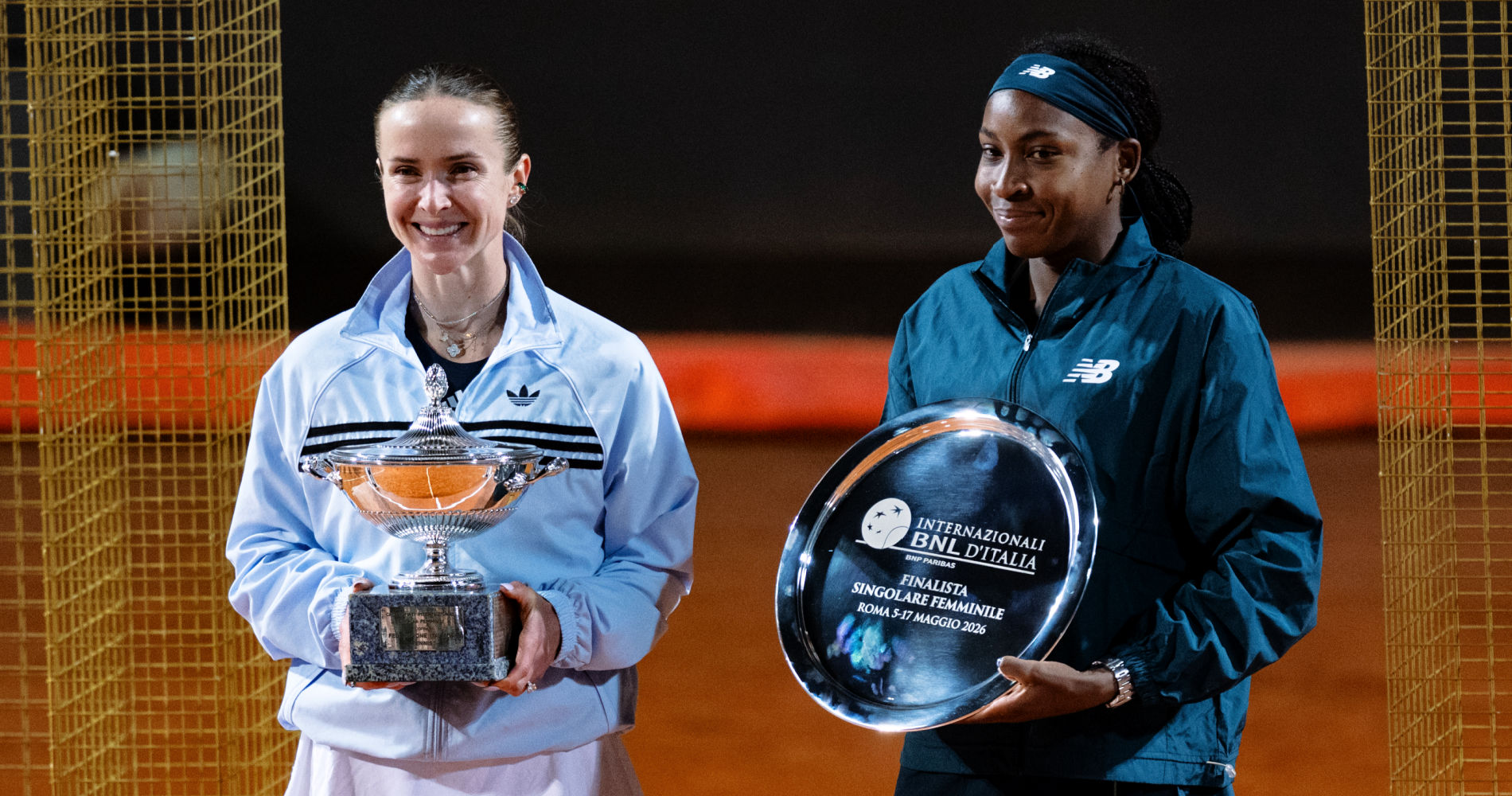
Rybakina, Swiatek, Gauff : Svitolina’s hat trick
The final turned on break-point conversion. Gauff created 17 break-point chances and converted three – an 18% conversion rate. Svitolina had 15 chances and converted six (40%). Seven Gauff double faults to Svitolina’s two did not help, particularly on second serve, where Gauff won only 38% of points to Svitolina’s 50%.
The level was high almost throughout, and the closing game was its most spectacular passage: Svitolina converted the title on a volley-volley exchange at the net, an exchange Gauff could not prevent ending in a thrown racket of her own.
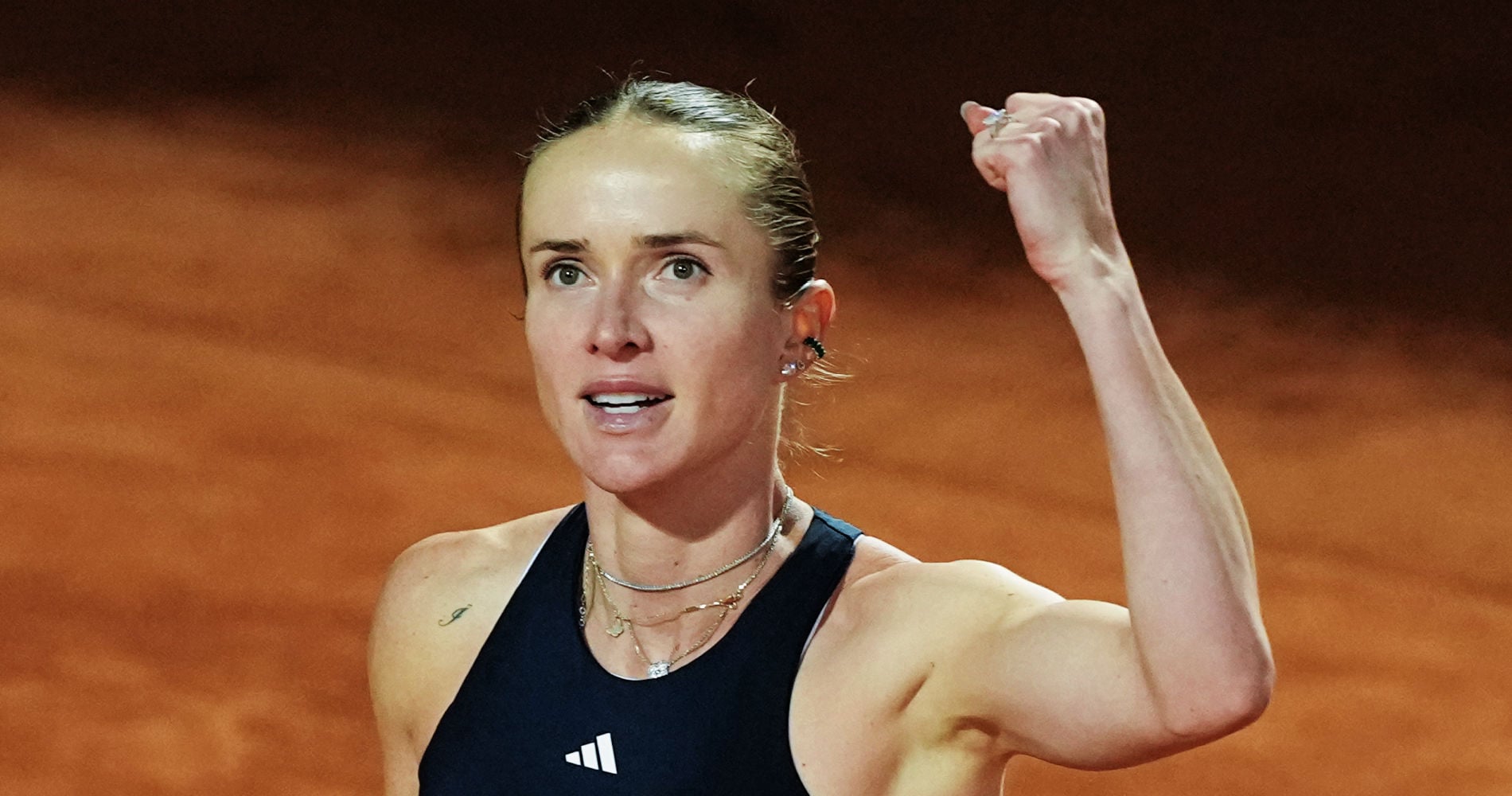
Svitolina’s path through the second week of the tournament has been arguably the most demanding any WTA player has produced in 2026. She defeated Rybakina 2-6, 6-4, 6-4 in the quarter-finals, Świątek 6-4, 4-6, 6-2 in the semi-final 21 hours later, and the defending Roland-Garros champion Gauff in the final from underdog status in every one of those three matches. She arrived in Rome ranked No. 10. She leaves it ranked No. 7 and third in the WTA Race to the WTA Finals.
She has now beaten Gauff three times in three meetings this year and leads the head-to-head 4-2.
For Gauff, the defeat is a second consecutive loss in the Rome final after Jasmine Paolini beat her here last year. She will leave the Foro Italico with valuable points to refresh her ranking and the form of a player a fortnight from the defence of her Roland-Garros title.