The heat has already changed the grass at Wimbledon, and the second week looks like uncharted territory
London’s record heat has already changed Wimbledon’s grass courts, altering their speed and bounce. With a potential second heatwave, Novak Djokovic and Patrick Mouratoglou warn of unprecedented conditions and physical toll, making the decisive second week highly unpredictable.
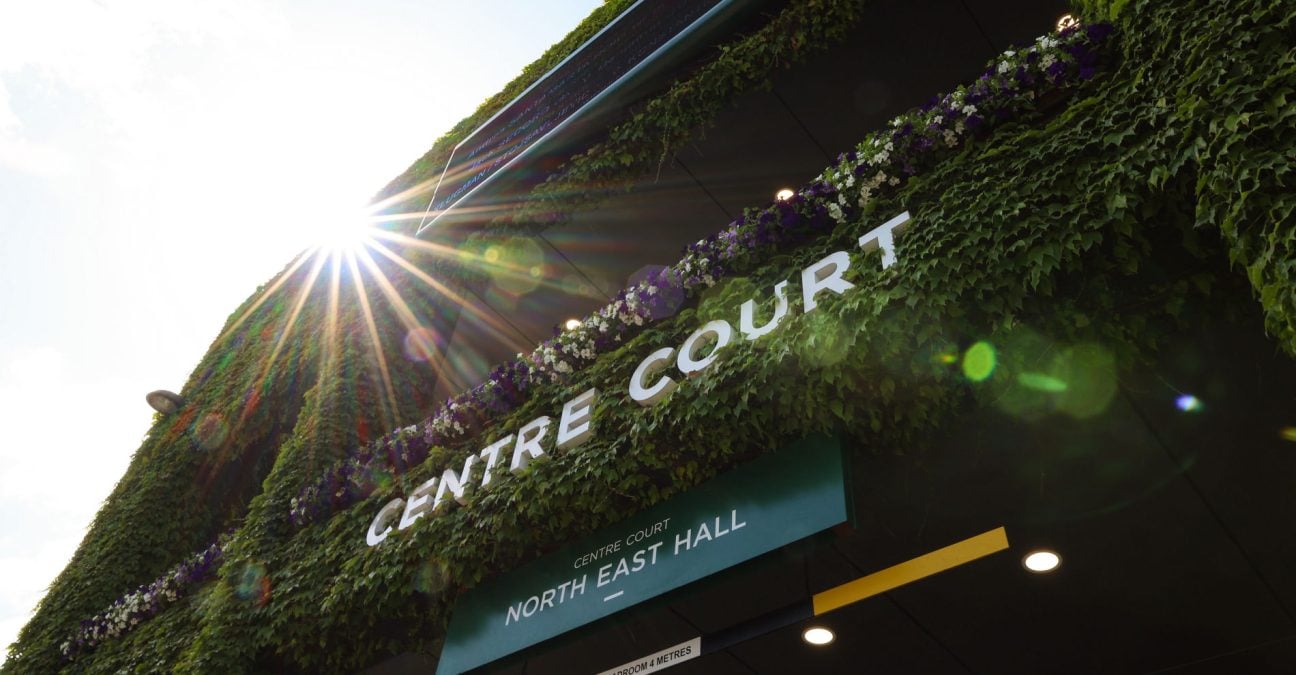 Wimbledon Center Court | © Action Plus / PsNewz

London has just endured its hottest June on record. Britain broke a June heat record that had stood since 1976, and on 26 June 36.9°C was registered at Wattisham, beating the previous mark of 35.6°C set in 1957. More than a thousand schools closed across England and Wales, and the London Ambulance Service handled a record number of emergency calls.
A cooler spell is forecast to arrive just as Wimbledon’s first week begins on Monday. Novak Djokovic himself notes the weather is “gonna settle a little bit next week.” And an Atlantic system is expected to bring lower pressure and cooler air over the British Isles as July opens.


But that lull looks brief. Forecasters warn of a second, potentially more dangerous heat dome settling over Europe in early July, with London and the southeast facing 34–37°C, well above seasonal norms. The system is expected to lock into what forecasters and meteorologists call an Omega blocking pattern, trapping hot air over western Europe for a week or longer — meaning the heat could return for Wimbledon’s decisive second week.
Almost everything about how it will play is suddenly in doubt. Two of the sport’s most authoritative voices, coach Patrick Mouratoglou and 24-time Grand Slam champion Novak Djokovic, converge on a single point: the heat has already changed the grass. And as at Roland-Garros in May, where World No. 1 Jannik Sinner cramped in the heat and was knocked out after leading by two sets, Wimbledon is now close to be in uncharted territory.
35.7°C in nearby Kew Gardens during Wimbledon 2015
Wimbledon has flirted with this kind of heat before. According to the Met Office quoted by the BBC, the hottest day ever recorded during the fortnight came on 1 July 2015, when temperatures peaked at 35.7°C in nearby Kew Gardens. And in the infamous summer of 1976, the heat refused to relent even after dark: on 27 June, the overnight temperature never dropped below 20.8°C – the highest minimum the tournament has known.
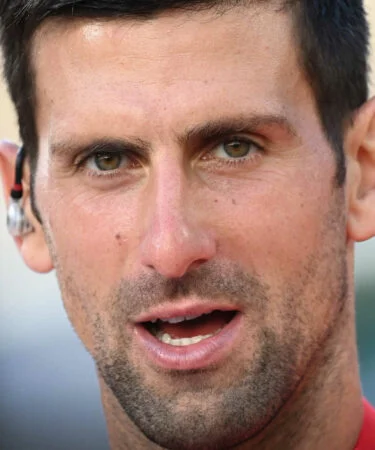
“Grass is a living surface,” Mouratoglou recalls. “It’s not like hard courts. And the surface also will be affected by the heat.” Djokovic, who actually has to play on it, puts it the same way: “It’s a live material, so any change in temperature affects how the grass responds.” “Look at the courts now,” Mouratoglou adds. “Usually the grass is dark green. At the moment it’s light green.”
Grass, says Mouratoglou in one of his videos on social media, is normally quick because humidity lets the ball slide and accelerate. “On a flat shot or a slice serve, shots that usually pay off on grass, the ball just accelerates when it hits the ground.” Take the moisture away and the opposite happens: “When it’s dry like this, the ball is gonna stop and the surface is gonna be way slower.”
“Less aces and serve winners”
The slice, the flat serve and the change of rhythm all lose their bite. Pushed to the extreme, he says, “you’re basically gonna play on clay” – soil, not grass. The beneficiaries shift accordingly. Expect “less aces and serve winners, easier for the people to return the first serves,” and an edge swinging away from grass specialists like Mannarino toward players with big, full swings.
Djokovic sees something more tangled. When it’s very hot, he notes, the grass and the soil soften, the bounce gets lower, and the surface itself can actually play quicker. But the balls work against that: in hot, humid air they get bigger and fluffier, which slows the game back down. He calls it “an interesting situation” — a different response from the ball than from the court. One man predicts a clear slowdown; the other, a genuine tug-of-war. Neither claims to know how it nets out.
Mouratoglou points to dry, under-watered World Cup pitches, like the one of France-Senegal (3-1) where commentators noticed the passes dying short. What neither doubts is the toll on the players – and Roland-Garros is the warning. The clay Major was defined by upsets in the Paris heat. World No. 1 Jannik Sinner led Juan Manuel Cerúndolo two sets to love before cramping in the heat and losing 3-6, 2-6, 7-5, 6-1, 6-1, one of the biggest shocks in the tournament’s history.
Wimbledon’s heat rule
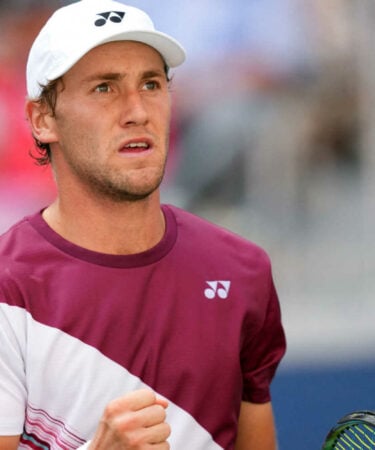
Casper Ruud described a heat-stroke feeling, saying he was walking around “like a zombie almost.” Mouratoglou expects the same threat in London: extreme heat, he says, affects whether a player can “stay healthy from the start to the end of the match,” and what happened to Ruud and Sinner “can happen to other players.”
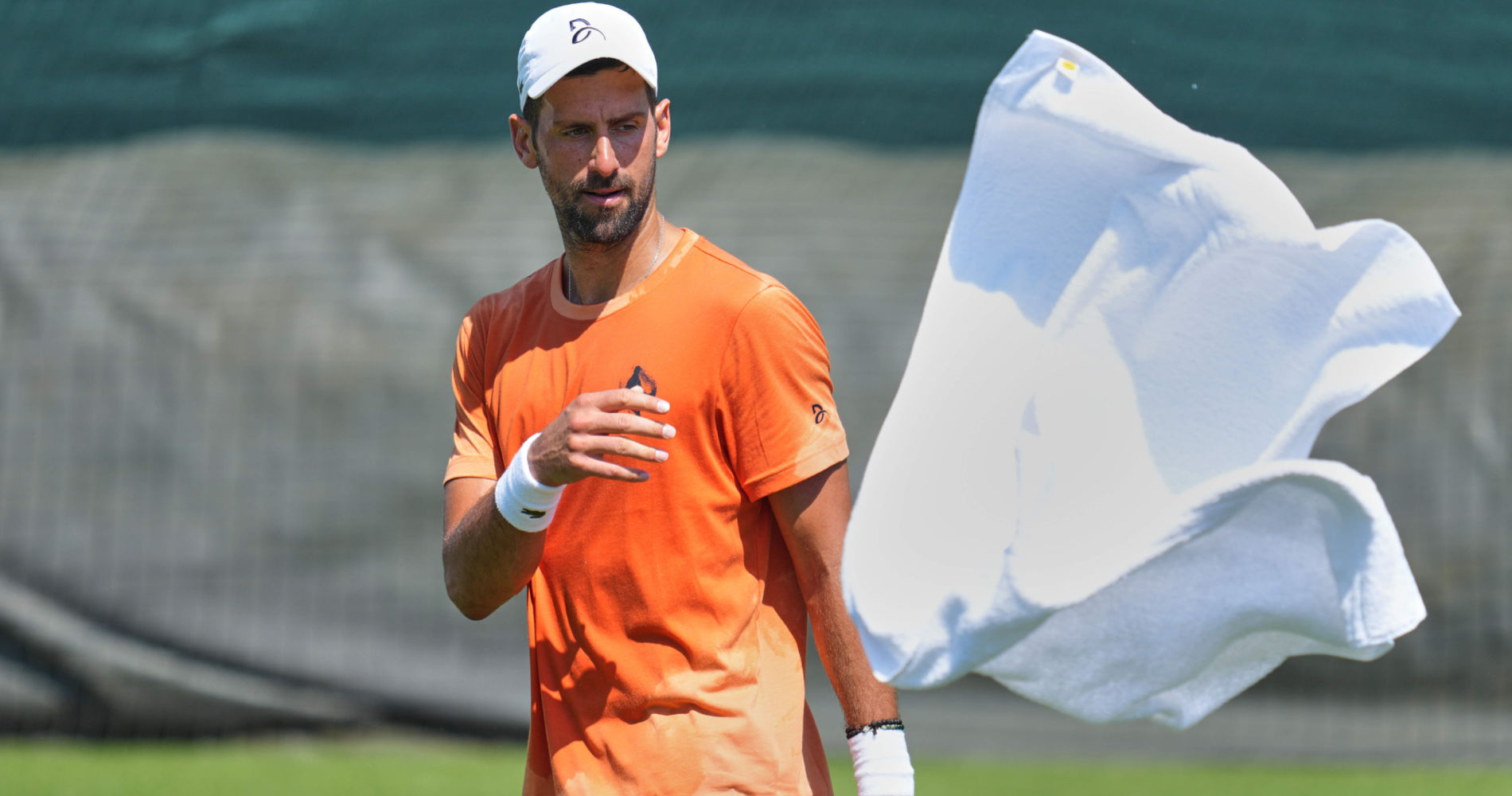
If a second heat dome pushes London back toward the high-30s in the second week, the heat stress index could cross 30.1°C routinely, triggering Wimbledon’s heat rule, which applies across all singles events. The rule grants a 10-minute break between the second and third set of best-of-three matches, or the third and fourth set of best-of-five, with that index combining air temperature, humidity and surface temperature rather than the thermometer reading alone.
Only one player in a match needs to request the break for it to apply, it covers matches already under way, and it is suspended only under a closed roof. Notably, the rule sets no upper limit: where the French Open suspends play once its index hits 32°C and the Australian Open halts at the top of its heat scale, Wimbledon offers nothing beyond the cooling break, so even in genuinely extreme conditions matches would simply continue with one mid-match pause. That leaves the 30.1°C break as the players’ only formal protection – a recovery window precisely when attrition bites hardest, but no mechanism to stop play however hot it gets.
The grass has already turned. What it does next, nobody can say. That’s why we watch tennis after all.