“It means I’m back”: How Fils turned a Miami diagnosis into a Barcelona title
The 21-year-old Frenchman spent a semi-final defeat identifying the precise cost of his greatest strength. What he did with that knowledge was something else entirely.
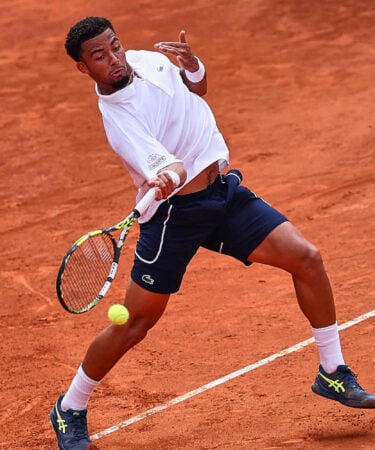
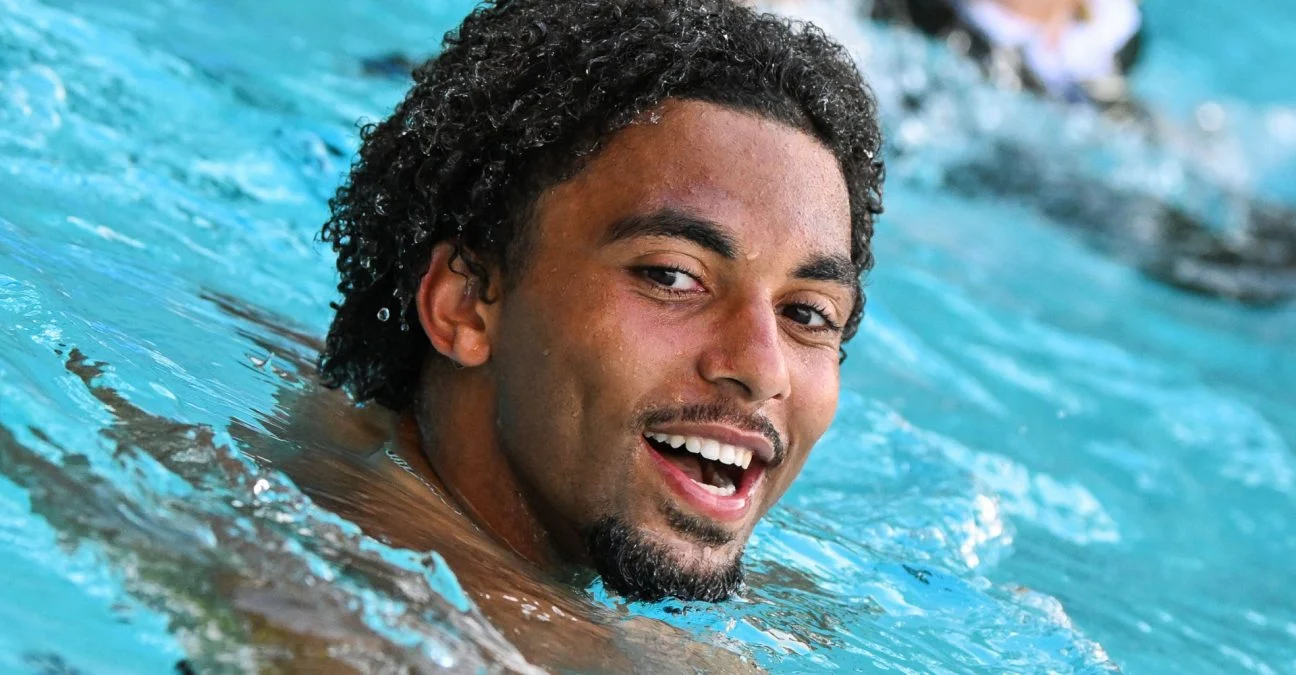 Arthur Fils, Barcelona 2026 | © PsNewz

Arthur Fils stepped off the court in Barcelona on Sunday, soaking wet and grinning, having just jumped into a swimming pool with the ball kids. “As soon as I won, the first thing they told me was: ‘OK, now we’re going to the pool!’ We had a great time, you have to know how to savour these moments.” It was the first title he had won in eighteen months. But it felt like more than that.
The story of how he got there starts three weeks earlier, in a Miami press room, after a semi-final defeat to Jiří Lehečka. Fils had produced one of the best matches of the swing two days before against Tommy Paul – electric, crowd-fuelled, utterly physical – and had nothing left for Lehečka. He knew exactly why, and he said so.
“It’s not really fitness. Physically I feel great – if you put me on a treadmill right now, I could run for six hours, no problem. It’s more mental fatigue. I need to find something that helps me give more in the important matches – the quarters, the semis, the finals – when I need that extra push.”
He went further, identifying the paradox at the heart of his own game with a clarity that most players never reach in public. “I know I need a lot of energy to play my best tennis, but do I need quite that much? I’m not sure. It can produce incredible matches, but it can also cost me in the match that follows. I need to talk it over with the team and find solutions. I don’t want to change who I am. I just need to improve.”



He improved. Barcelona was the proof.
Fils had skipped Monte-Carlo to arrive in Catalonia fresh, a deliberate choice rooted in the wreckage of a 2025 season that ended with a back injury at Roland Garros and eight months away from the Tour. “Either you chase tournaments, or you prepare correctly and try to go as far as possible,” he explained on Saturday. “Last year I played a lot of tournaments at the start of the year, but we saw what happened. So this year we decide to take more time, prepare a little better. In the end, we’re rather right because when I arrive at a tournament, I always feel ready.”
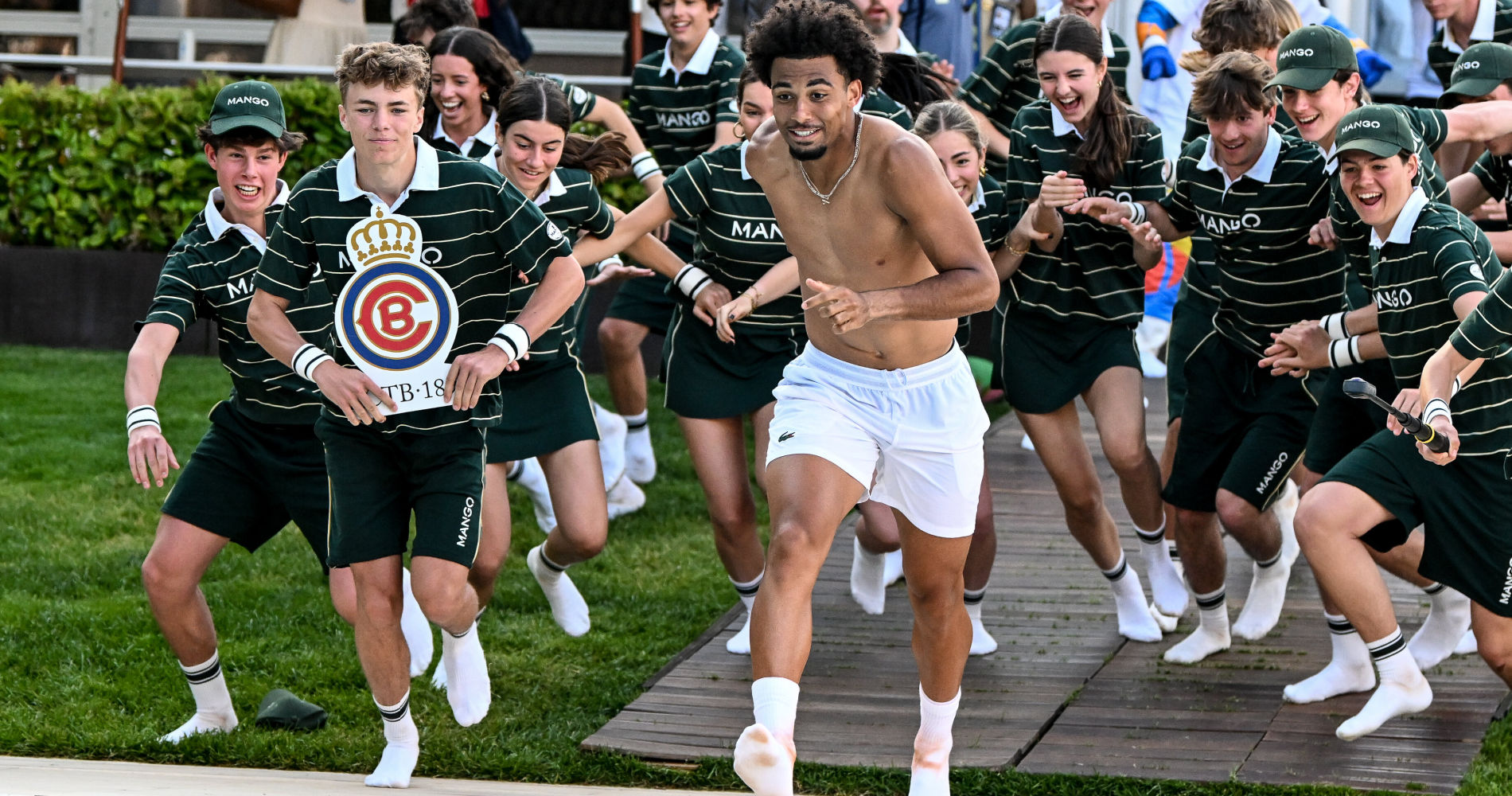
Fils : “I lost less energy”
The Miami diagnosis had a practical consequence: manage the load, arrive whole, go deep.
What followed across the week was the application. No big celebrations between matches. No emotional expenditure on wins that weren’t the final. “I lost a lot less energy. That’s mainly what we’re trying to do with the team. Stay calm even when we’re winning. Not too many emotions. This whole week, that’s what we did. No big celebrations. You win, then you go back to work. If you win the tournament, that’s when you celebrate. Otherwise, nothing. I think it’s not bad like that. It allows me to keep a lot of nervous energy. And to be ready for the last matches of the week.”
The tennis matched the discipline. He fought off two match points to beat compatriot Terence Atmane in round one, swept Nakashima, beat second seed Musetti 6-3, 6-4, came from a set down against teenage sensation Rafael Jodar in the semis, then dismantled Rublev 6-2, 7-6(2) in the final, striking 31 winners to his opponent’s 10.
According to ATP performance metrics quoted by a reporter from L’Equipe, only Sinner, Alcaraz and Djokovic have produced better tennis across the entire 2026 season. Fils’ own read on that final was characteristically demanding of himself. “I played very well, that’s true, but I missed a few shots. I didn’t serve the way I wanted to. It was maybe my best match of the week. But I think I can improve on a few details. I’ll look at that with my team and try to progress. It would actually be interesting to see my stats from Miami, because I had the feeling I was maybe playing even better there than here.” Fourth in the world by performance index, and still finding fault. That is the standard he is holding himself to.
It’s always good to reach semis, quarters, finals. But winning, that’s what matters.
When the trophy was in his hands and the pool was behind him, he tried to put into words what the week had meant. “It feels good, really ‘really good’. Being back at this level, in the winners’ circle, it means a lot and it’s a wonderful feeling. It means I’m back. I’m well and truly back. It’s been a year and a half since I last won a title. And to come back, to win a title like this, it feels good. It’s always good to reach semis, quarters, finals. But winning, that’s what matters.”
When asked whether it was the best week of tennis in his life, his answer contained the sentence that explained everything. “It’s true that this week has perhaps been the one where I’ve been most concentrated on court. That’s probably why I won.”
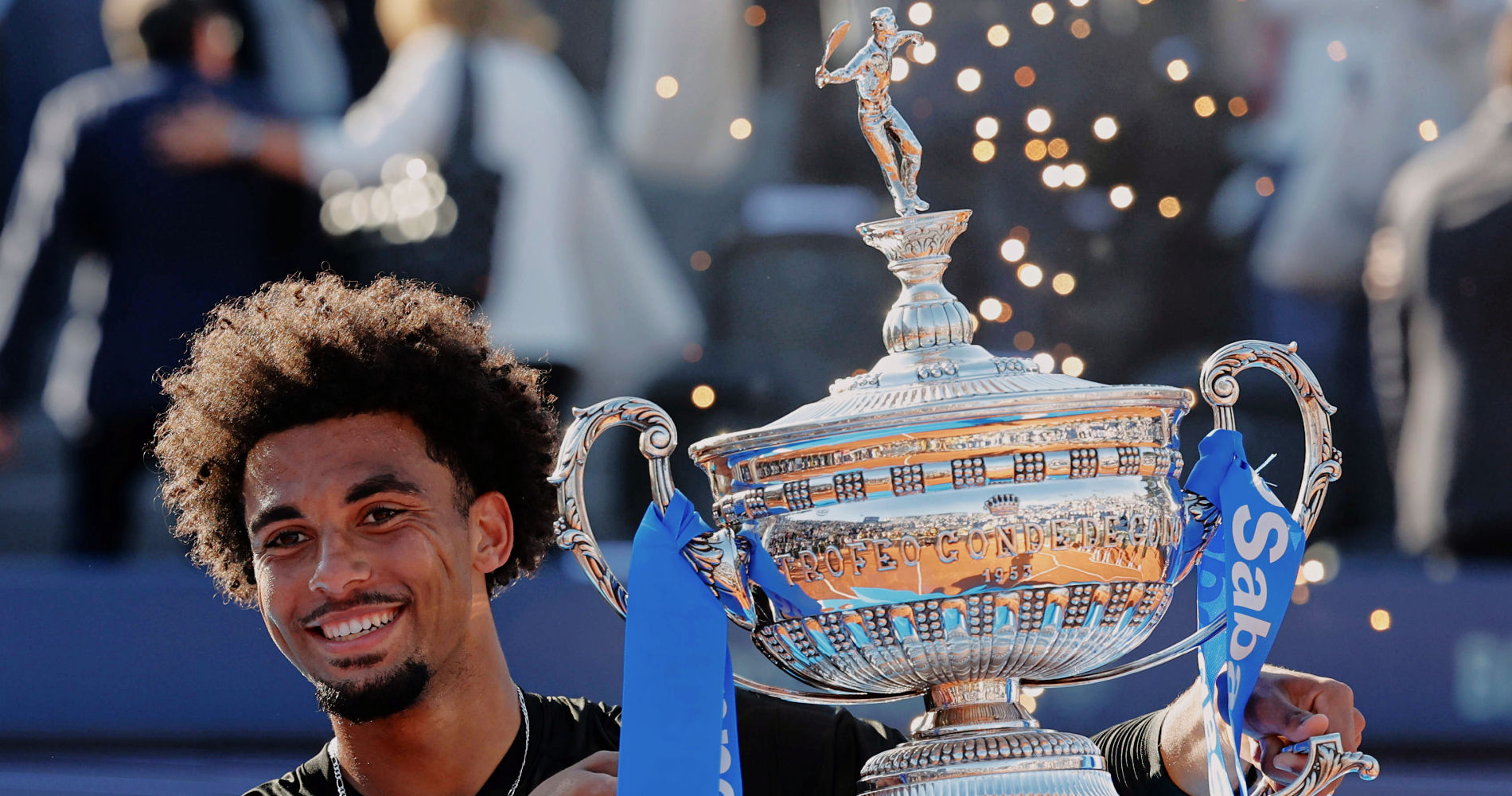
A gap with Alcaraz and Sinner?
Most concentrated. That was the Miami lesson, paid back across five matches on Catalan clay. As for what lies above him – Sinner, Alcaraz, the gap that still exists – he was as clear-eyed as he had been about his own flaws three weeks before. “We’ll think about those two maybe later. They are immense champions. I can’t compare myself to them yet. I’ve never beaten either of them in two sets, so in three sets it’s even harder to imagine.”
The title was his fourth on the ATP Tour, his first since Tokyo in October 2024. It made him French No. 1 for the first time since September 2025. Back in Miami, when asked what his rapid return from eight months of absence said about him, he had given an answer that now reads like a promise he kept.
“I need to play more quarter-finals, more semi-finals, more finals. That’s how you find the balance – by living those moments again and again until they become normal. It’s not easy, but it’s something I’m going to find. I have no doubt about that.” One title later, on the clay of Barcelona, it already looks like he was right.