‘I’m taking the big one’: the cold water, the towel and the choices that decided an all-Czech Wimbledon final
Karolina Muchova and Linda Noskova each laid bare the private choices, freezes and resets that shaped their all-Czech Wimbledon final, from a bathroom sink to a forehand neither will forget.
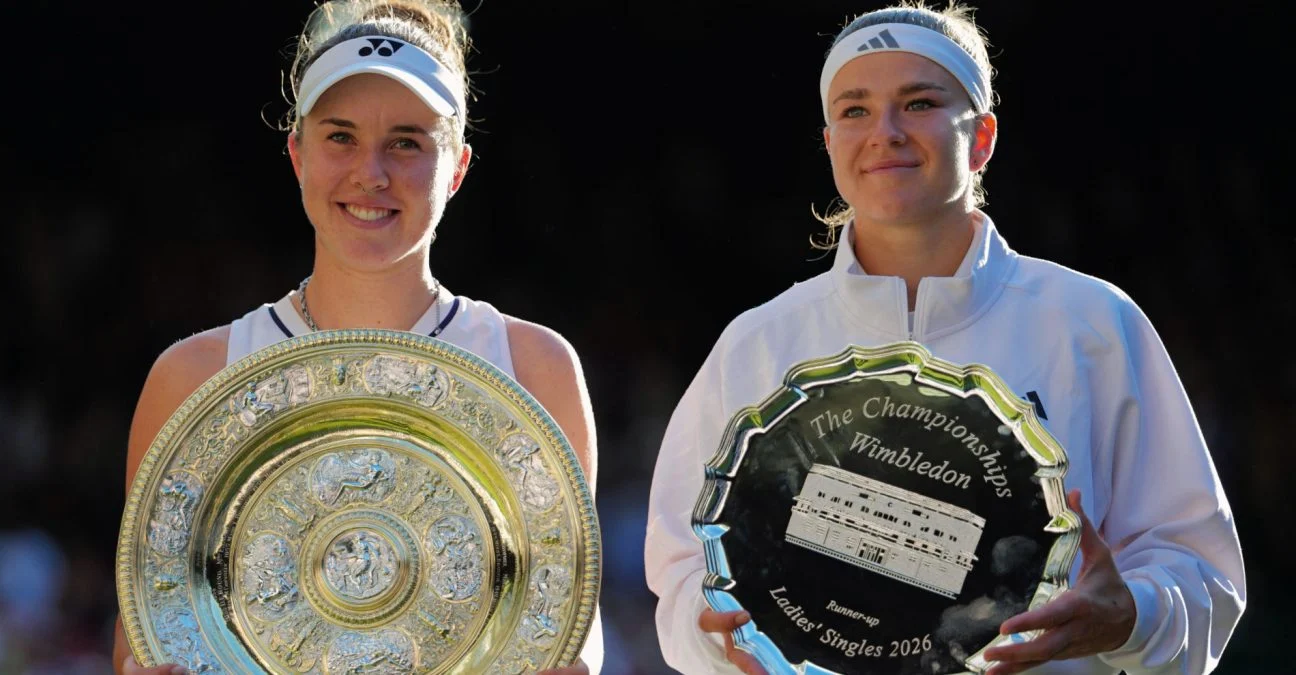 Linda Noskova and Karolina Muchova, Wimbledon 2026 | © Patrick Hamilton / SIPA

For the 20th anniversary of her Wimbledon title, Amélie Mauresmo said in an interview that she remembers her arm being 200 kilos during that last service game. Noskova experienced the same in the Wimbledon final on Saturday, when she nearly failed to win in two sets a final she had been dominating so far. The words were just different.
“My hand kind of froze at certain moments. My feet were not as quick as they had been before.” Serving for the title at 6-2, 5-3, Noskova watched the match get away from her one match point at a time. Across the net, No.10 seed Karolina Muchova had experienced the same pressure for the 70 first minutes of the match.
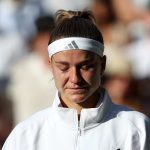
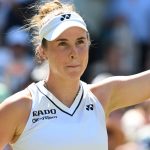
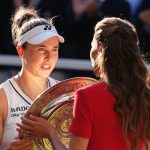
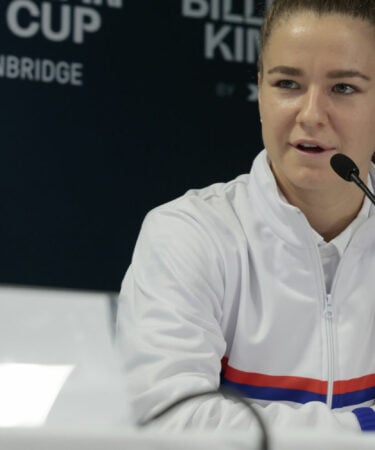
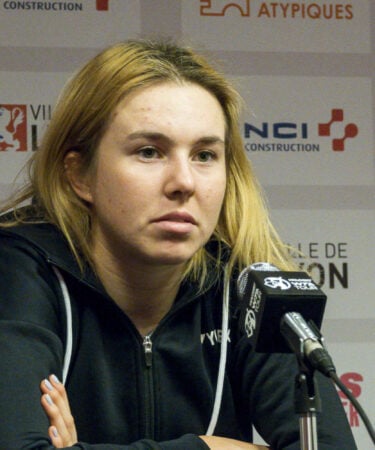
“The nerves, as well,” she admitted afterwards. “I really, really wanted to win today. So maybe it tied my hands a little bit today from the start.” She called it, in her own words, one of her worst matches of the tournament. It started to change exactly that moment.
I’m like, okay, I don’t want to lose 2-6, 2-6
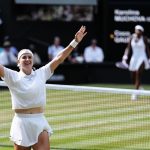
“This tournament matters to me. I’m like, okay, I don’t want to lose 2-6, 2-6. I’m going to do everything to break her serve and keep my serve. I was still believing that I can turn it around.” Muchova saved three match at 5-2, then two more across the two that followed, forcing a decider that Noskova would still win, 6-2, 5-7, 6-3.
The public helped. Muchova was fuelled from outside rather than within. “I felt the support, I felt the momentum in the second set, that I turn it around,” she said. “It was definitely nice that it happened. It took, as I said, some strength out of me.”
A first Grand Slam final
A first Grand Slam final is more than forehands and backhands. It’s an extreme personal experience, with peaks of emotion, superstition and voices in the head that command the next fraction of a second. “At the start of the third, I was just telling myself that the match is starting over,” she said. “I was in the bathroom, I just splashed some cold water on me, started over again.”
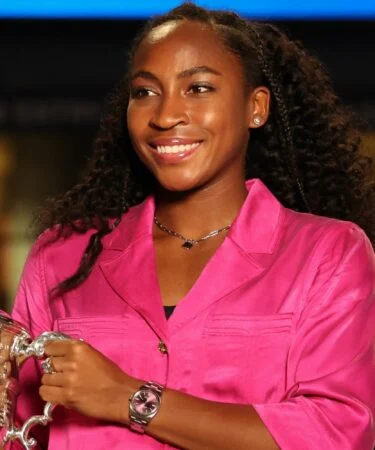
What actually reset her, she said, was what she saw on the way back to the court. “The first step I took off court, the trophies were there. I was like, I’m not going to take the small one, I’m taking the big one. I have been so close. This would probably be the heartbreak of my life.”
The point that actually won her the title was blurrier, she said. “On the last match point, I didn’t even realize that I had a match point. I kept going. That’s what really won it for me, that I didn’t exactly put it into my head.”
The start of the third
What followed, in her own telling, was relief rather than joy. “It just kind of relaxed me,” she said of the moment the title was finally hers. “It kind of got off of me, just the stress, the nonstop thinking if I’m going to win this or that. It’s 5-3, what if I’m not going to hold my serve. It was just those not-so-easy moments. But I’m so glad I did it on my first try in the third set.”
Asked afterwards to name a single moment she would change, Muchova didn’t hesitate – and it wasn’t the collapse everyone had just watched. “If I had one regret, I would say in the first game of the second set when I had advantage, I had the forehand when I wanted to go down the line and I hit it back cross, and then she smashed it,” she said. “If I get that lead, 1-0, it would definitely feel different for me to start the set that way, but it didn’t happen.”
This game, Noskova called it essential to the entire set. “It would not have been the same if maybe I would have lost the first game,” she said. “I lost five games in a row in the second one, so it was very, very important to start off great in the third.”
really having to fight for it, having all these ups and downs, it matters a lot, but I do have to learn a lot from this match, definitely
She had already found a way to manage the noise of a crowd willing Muchova back into it, explained by a piece of advice from her coach the night before. “Something that my coach told me last night, he was like, if you need a moment, take it, get out of the court or just be with yourself for a moment,” she said of the towel she pulled over her head after dropped points. “It was just definitely to keep myself away from all the noise.”
Noskova admitted she would have preferred the version of the final that never put her through any of it. Asked if she’d rather have won 6-2, 6-2, she smiled: “Absolutely.” But she was equally clear that the difficult route had taught her something the easy one wouldn’t have. “Just winning it this way, really having to fight for it, having all these ups and downs, it matters a lot, but I do have to learn a lot from this match, definitely.”
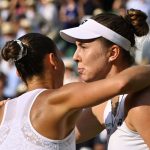
The two Czechs had deliberately kept their distance before playing each other – “we just waved hi at each other,” Noskova said of facing a friend she has known since their doubles run at the Paris Olympics – and Muchova opened her own runner-up speech with a joke about it, calling Noskova her “ex-friend” before quickly correcting herself. By the end of an afternoon built on frozen hands, cold water and a forehand that got away, neither woman needed to explain the joke to the other.