“More like a clay-court player”: Swiatek is rediscovering the version of her game that won three Roland-Garros titles
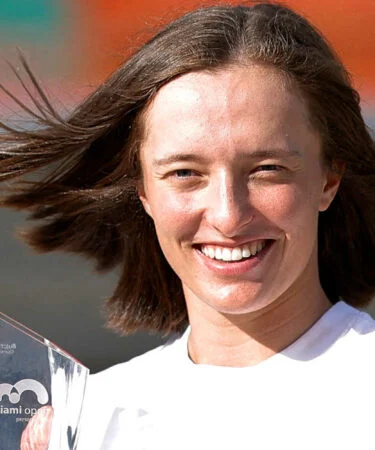
Iga Swiatek is into the Rome semi-finals, hasn’t faced a break point in two days, and on Wednesday told reporters she is back to “playing more like a clay-court player.” Roig is delivering.
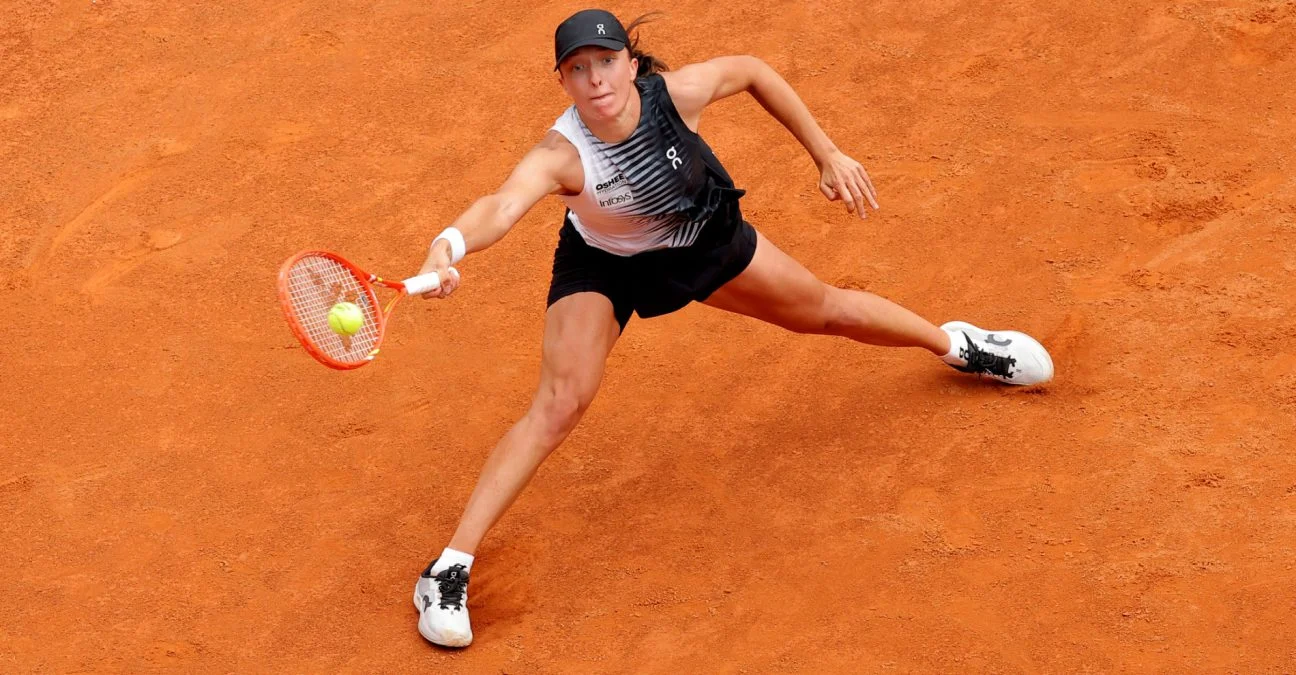 Iga Swiatek, Rome 2026 | © Foto FITP

Forget the Iga of Miami, who said she felt lost on court. Forget the Iga of Madrid, sick with a stomach bug and packing her bags in tears after one match. The Iga of Rome is into a fourth straight 6-1, 6-2 win, has not faced a break point in two days, and on Wednesday told reporters something that the women’s tour has been waiting two years to hear.
“I’ve been playing a bit differently,” she said, after beating Jessica Pegula to reach the Rome semi-finals. “More similar to how I played a couple of years ago, more like a clay-court player. I guess all the things we practised really clicked during the last few matches. I felt that I can really add a lot of spin and a lot of power to the forehand. The trajectory was really nice. I just used it.”
For anyone who has watched Swiatek over the last five years, that sentence carries weight. The version of her tennis described in those words – heavy topspin, height over the net, depth on the forehand, court geometry built around moving her opponent rather than overpowering her – is the Swiatek of 2022 to 2024, the player who won three consecutive Roland-Garros titles and three Rome titles in four years.
The version she has been playing since last year was a flatter, more aggressive, more first-strike-oriented brand of tennis that earned her hard-court success but produced the worst clay swing of her career.
Credit to Francisco Roig
The decision to recalibrate, by her own framing, was the work of recent weeks, and the credit goes to Francisco Roig.
The partnership with the long-time Rafael Nadal assistant coach was announced in late April. The two have been together for a little over a fortnight. Roig himself has spent most of that time on crutches after tearing his Achilles tendon in a pre-tournament exhibition, watching practices from a golf buggy and giving instructions from a chair.
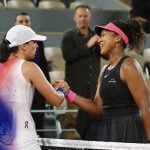
The practical limitations have not, on the evidence of three Rome wins in a row by 6-1 or 6-2 score lines, slowed the work. Swiatek has now beaten Elisabetta Cocciaretto, Naomi Osaka and Jessica Pegula in straight sets – the Pegula match included not a single break point against her.
The numbers are starting to show what she is describing. Against Osaka, Swiatek struck 26 winners against 18 unforced errors, the kind of ratio that defined her best years on clay. Against Pegula, she dropped three games in a match that took 76 minutes.
2026 so far
It is also, on Wednesday’s evidence, starting to show in her own attitude. Asked whether she was beginning to rediscover the joy in competing – a deliberate echo of comments she made earlier in the year, after Miami, when she said she had felt “a little lost” on court because she felt tennis was too comploicated – Swiatek gave one of the more reflective answers she has offered in 2026.
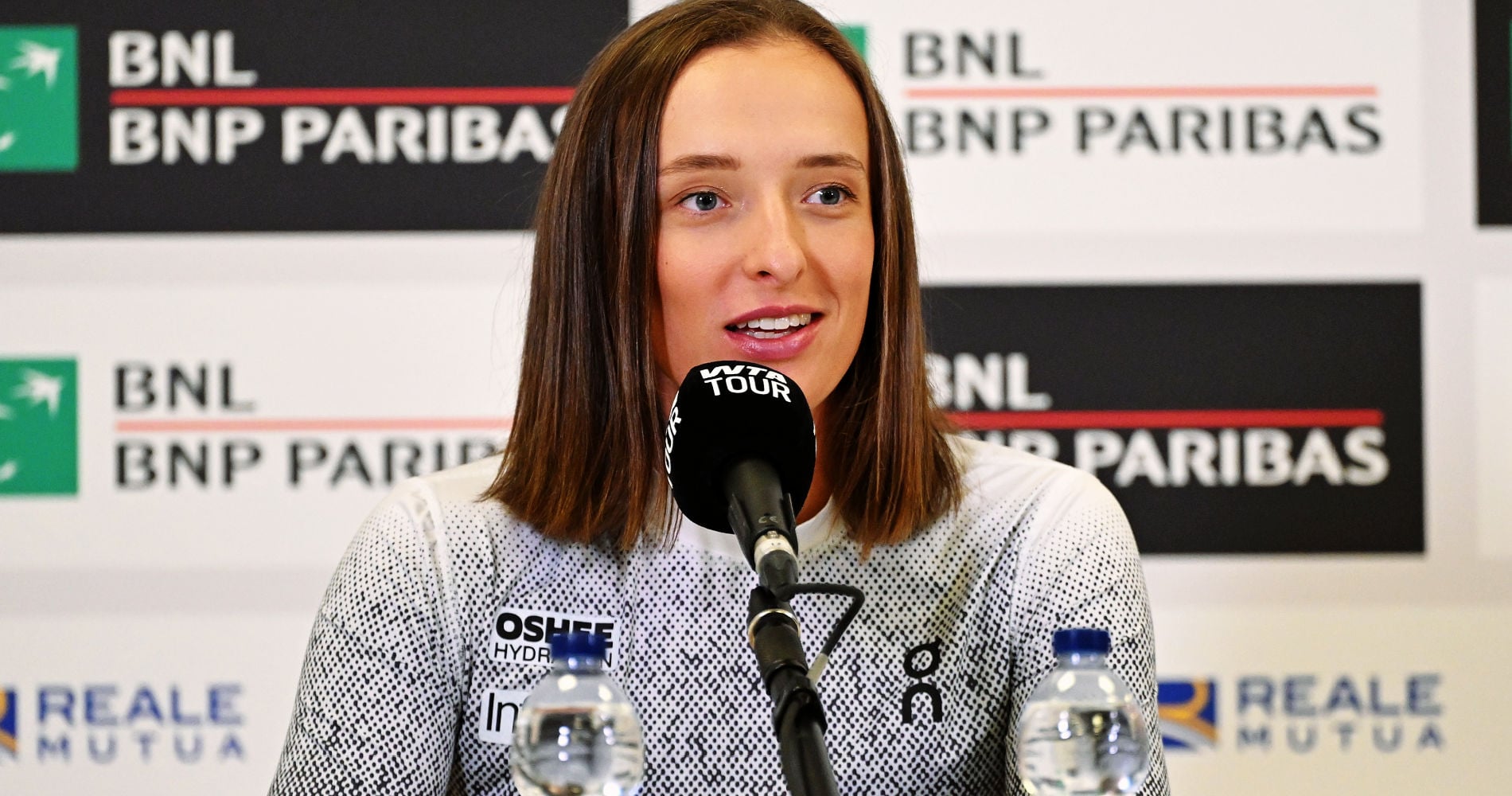
“If you play well, if you feel the ball right, if you are doing the right things, it’s all clicking, it’s easy to enjoy,” she said. “Yeah, I am enjoying. There are tournaments where you feel you play terrible, not even play but you overall feel terrible. You need to accept it can happen and move on, work so you have an opportunity to play good on the next one. For sure I feel good here.”
It is, in the broader arc of her year, a meaningful shift. Swiatek’s 2026 season opened with a United Cup title alongside Team Poland, where she went 3-2 in singles. The Australian Open quarter-final followed, lost to the eventual champion Elena Rybakina. Then came a quarter-final at Doha (loss to Maria Sakkari), a quarter-final at Indian Wells (loss to Elina Svitolina), a second-round exit at Miami (loss to Magda Linette), a quarter-final at Stuttgart (loss to Mirra Andreeva), and the third-round retirement at Madrid through illness against Yuliana Lizarazo Li. Steady results, but no title since the United Cup.
Swiatek : “it clicked”
The technical work, by her own description, has had two anchors. The first is the forehand. The second is the serve, which she described in unusually specific terms.
“On clay there is not so much pressure on the serve because it’s not so easy to get free points,” she said. “Even if my serve is going to be kind of normal and not do a lot, I know it’s still in my hands what happens with the point. The placement is more important than the speed here, the ball will bounce pretty high anyway, even when you serve like 180. It’s good to already open up the court if you can with the serve.”
The semi-final, against a player closer to her own level (Rybakina or Svitolina), will tell her, and Roig, whether the recalibration is robust or fragile. “All the things we practised really clicked,” she said. The next eleven days will tell her how many of them carry into Paris.