Boycott a Slam? “Tough to say, but somewhere we need to start”: Sinner and Djokovic say the word but the threat lacks substance at this stage
On Thursday in Rome, Jannik Sinner and Novak Djokovic each addressed the prospect of a Grand Slam boycott over prize money.
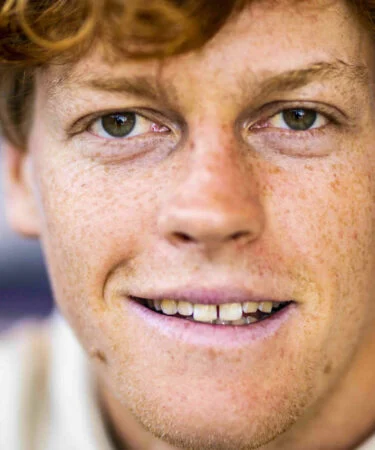
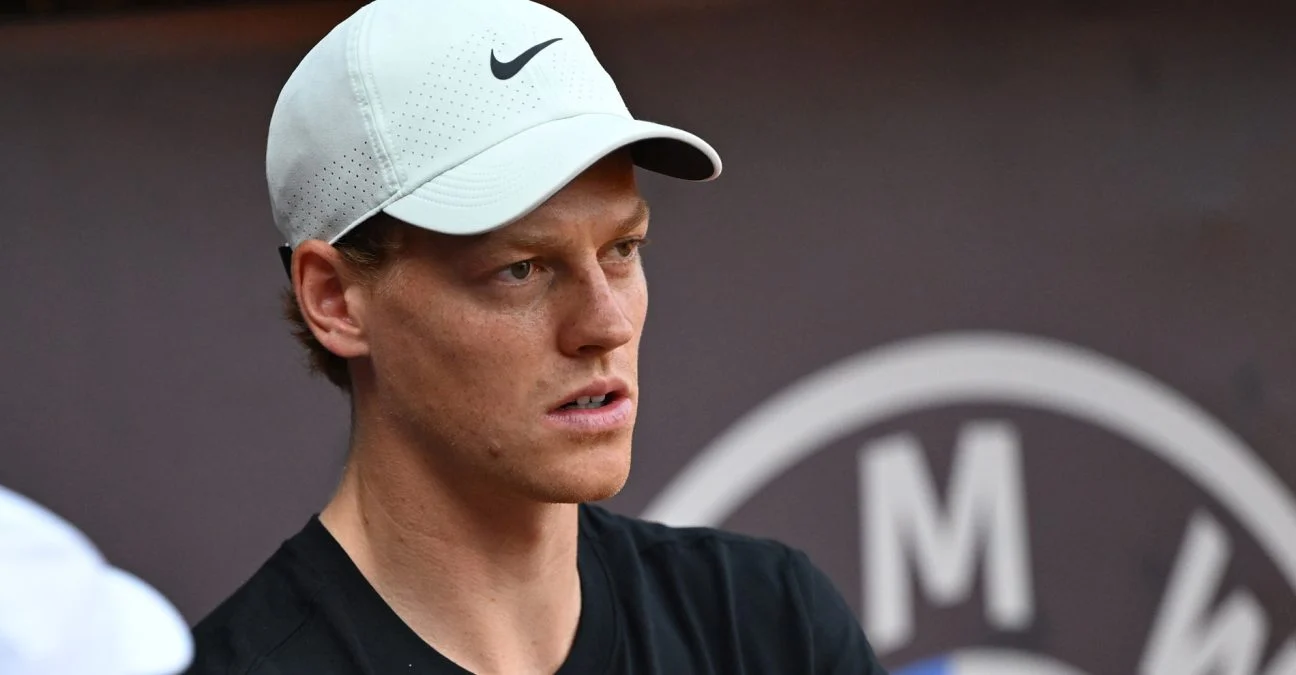 Jannik Sinner, Rome 2026 | © Foto FITP

It looked, for a few hours, like a turning point. On Thursday afternoon at the Foro Italico, two press conferences two hours apart put the boycott question to the two most important men in the sport. Aryna Sabalenka and Coco Gauff have publicly raised the prospect in recent weeks. Now the world number one and the best performer of all time, founder of the PTPA, were being asked, on the same day, whether they would do the thing.
Jannik Sinner went first. The careful, neutral tone he has spent two years cultivating on tour politics gave way to something sharper.
“The Grand Slams, they are the best and the most important tournaments we have in our schedule,” he said. “But it’s more about respect, you know? Because I think we give much more than what we are getting back. It’s not only for the top players; it’s for all of us players. From men’s and women’s side, we are very, very equal.”

Sinner : “Not even close to a conclusion”
He went on, with unusual specificity, to describe the existing channel that has produced nothing. “The top 10 men, top 10 women, we wrote a letter. It’s not nice that after one year we are not even close to a conclusion of what we would like to have. Talking about other sports, if the top athletes send important letters, I truly believe within 48 hours you have not only a response but also a meeting. Of course we talk about money. The most important is respect, and we just don’t feel it.”
Then came the question that mattered. Would Sinner himself sit out a major?
“It’s tough to say. I cannot predict the future. But somewhere we need to start. I understand other players not playing. I’m definitely not the only one. It’s the first time I feel like the players are all in the same scenario and the same point of view.”
Djokovic : “I’ve said it many times”
Sinner named the next pressure points. “I think in the next couple of weeks we know also the prize money we’re going to have at Wimbledon. We truly hope it’s going to be better. Then, of course, US Open.”
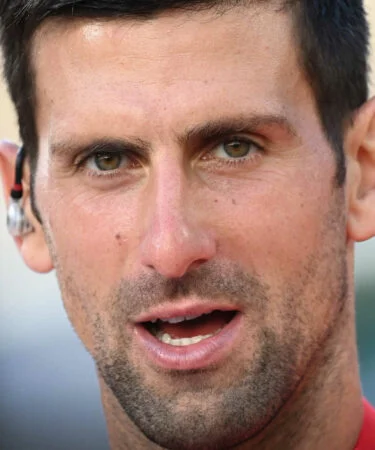
Two hours later, Novak Djokovic was put the same question. He has been answering versions of it for a decade. He did not pretend otherwise, even though he retired from the PTPA in January.
“I think you’ve been around the tour long enough to remember the times when I was president of the council, when I was also forming the PTPA, which is now six years ago,” Djokovic said. “You guys know my position on that. I’ve said it many times. I don’t need to talk about that too long.”
He praised the new generation taking up the cause. “I’m glad that there is willingness from the leaders of our sport, like Sabalenka, to really step up and really understand the dynamics of how the tennis politics works. That’s true leadership for me, and I salute that.”
Then a journalist asked him directly whether he felt part of this movement, or was watching from the side. Djokovic gave the most quietly remarkable answer of the day.
My position is very clear: I support the players and always will support the stronger player position in the ecosystem.
“I am watching more from the side, to be honest. I haven’t been part of those meetings and conversations. But my position is very clear: I support the players and always will support the stronger player position in the ecosystem.”
Watching from the side. The man who founded the PTPA, who paid for a decade in negative headlines that he made a point of recalling on Thursday — “you guys like to put headlines of ‘the Grand Slam winner gets so-and-so, never more in history'” — has stepped out of the room while a new generation considers the kind of action he spent his career arguing for.
He was generous about why this is hard. “The players within the player council have really absolutely no power. I’ve been there. I was president of the council. The whole structure is conceptualised in a certain way where players are just not able to get what they want. That’s why the top players come together and try to negotiate directly with the Slams. I think that’s the right way.”
A boycott needs three things to be credible: a target, a deadline, and a top-player willing to say “I will not play.” None of those existed on Thursday. The letter is real. Sabalenka and Gauff using the word in public is real. But the world number one would not commit, and the man who has been making this argument for ten years was explicit that he is no longer the one making it.