“At some point we will boycott”: Sabalenka raises the stakes in players’ Grand Slam revenue fight
Less than 24 hours after the French Tennis Federation defended its prize money model, Aryna Sabalenka has put the boycott word on the record. Coco Gauff, Elena Rybakina and Jasmine Paolini have lined up behind her. Iga Swiatek, alone among the top names, called the idea “extreme”.
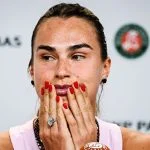
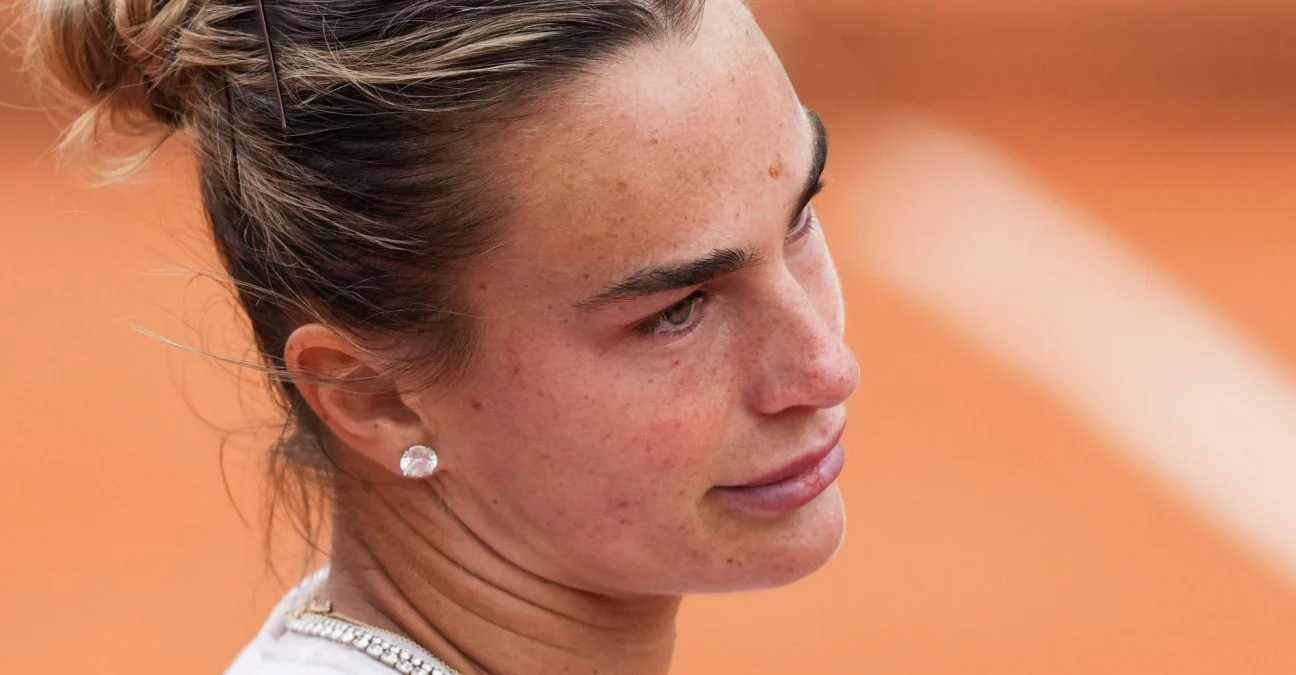 Aryna Sabalenka, Rome 2026 | © Inside / PsNewz

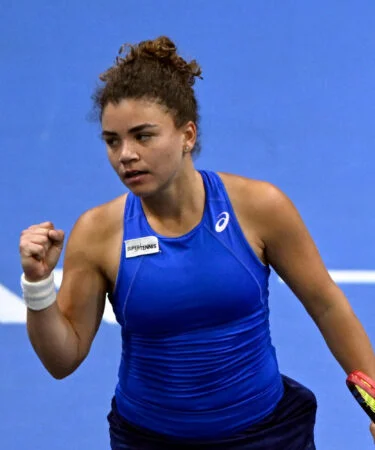
On her 28th birthday, the WTA No. 1 chose her gift carefully. Asked at the Italian Open on Tuesday about the prize money standoff between the world’s top players and the four Grand Slams, Aryna Sabalenka did not hedge.
“Without us, there wouldn’t be a tournament and there wouldn’t be that entertainment. I feel like definitely we deserve to be paid more percentage,” she said. “I think at some point we will boycott it. I feel like that’s going to be the only way to fight for our rights.”
It is the first time a reigning world No. 1 has put the word “boycott” on the record in this dispute. It came less than 24 hours after the French Tennis Federation, in a written response to Tennis Majors, defended its €61.7 million purse as a 9.53% increase on 2025, emphasised its non-profit model, and offered “direct dialogue” with the informal player group operating under the working name Red Eye.
Sabalenka’s answer to that offer was, in effect, that dialogue is no longer the only lever on the table.
THE RED EYE coalition just got broader — and noisier
What made Tuesday significant was not Sabalenka alone. It was who joined her, and who didn’t.
Elena Rybakina, pointedly absent from the joint statement issued on Sunday, stepped in behind the world No. 1. “If the majority say we are boycotting, we are not playing, then of course I’m up for it,” the world No. 2 said. Her endorsement matters because it broadens the coalition beyond the original twenty signatories. The Red Eye group now has the implicit backing of a player who, until this week, had stayed conspicuously out of the public-facing campaign.
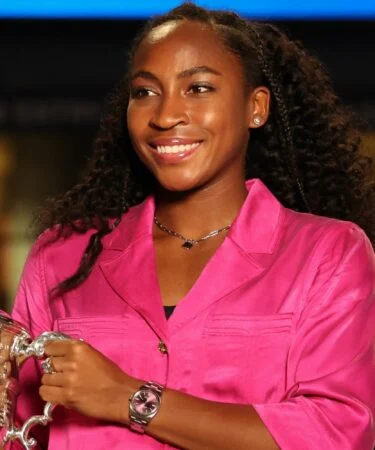
Coco Gauff, the defending Roland-Garros champion and a signatory, framed the same instinct through a different lever: organisation rather than strike action. “From the things I’ve seen with other sports, usually to make massive progress and things like this, it takes a union,” she said, citing the new WNBA collective bargaining agreement reached in March as a template. “We have to become unionized in some way. We definitely can move more as a collective.”
“If the majority say we are boycotting, we are not playing, then of course I’m up for it”
Asked directly about boycott, Gauff did not back away from it. “If everyone were to move as one and collaborate, yeah, I can 100 percent see that.”
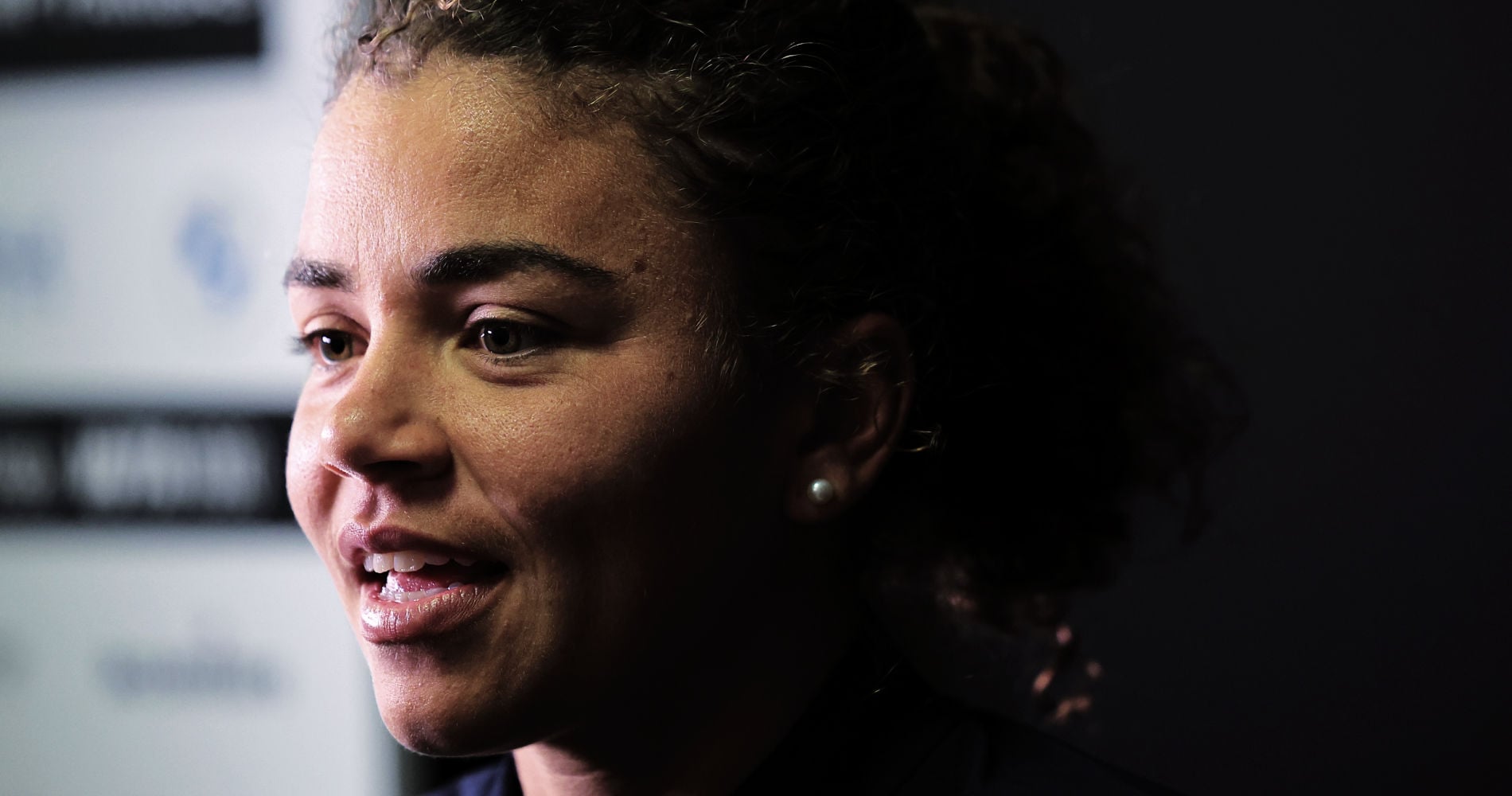
Jasmine Paolini, a Roland-Garros and Wimbledon finalist in 2024, added the most explicitly cross-tour framing of the day. “If we’re all in agreement, and I think we are – the men and the women are united right now – it’s something we could do.” She also went further than her colleagues on the welfare gap. “There’s a lot of things that the Slams are not doing that the WTA and I think the ATP are doing”. She was naming maternity leave and pension provision specifically.
Swiatek breaks ranks
The day’s other story is the dissent. Iga Swiatek, a four-time Roland-Garros champion and a signatory of Sunday’s statement, drew a clear line.
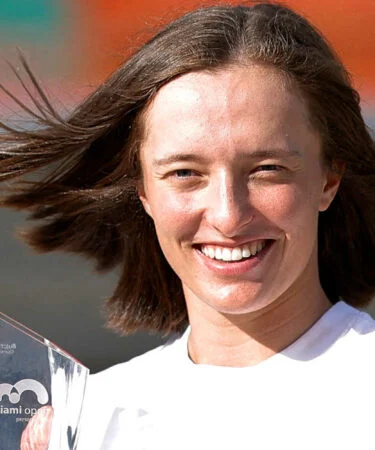
“Boycotting the tournament, it’s a bit extreme kind of situation,” she said. “The most important thing honestly is to have proper communication and discussions with the governing bodies so we have some space to talk and maybe negotiate. Hopefully before Roland-Garros there’s going to be opportunity to have these type of meetings and we’ll see how they go.”
Swiatek’s intervention is the first visible fracture inside the Red Eye coalition since it formed publicly on Sunday. She is not breaking from the demands – the 22% revenue share, the welfare contribution, the consultation mechanism – but she is breaking from the tactic. Whether that gap widens or closes over the next nineteen days will determine the seriousness of any boycott threat.
The tax angle
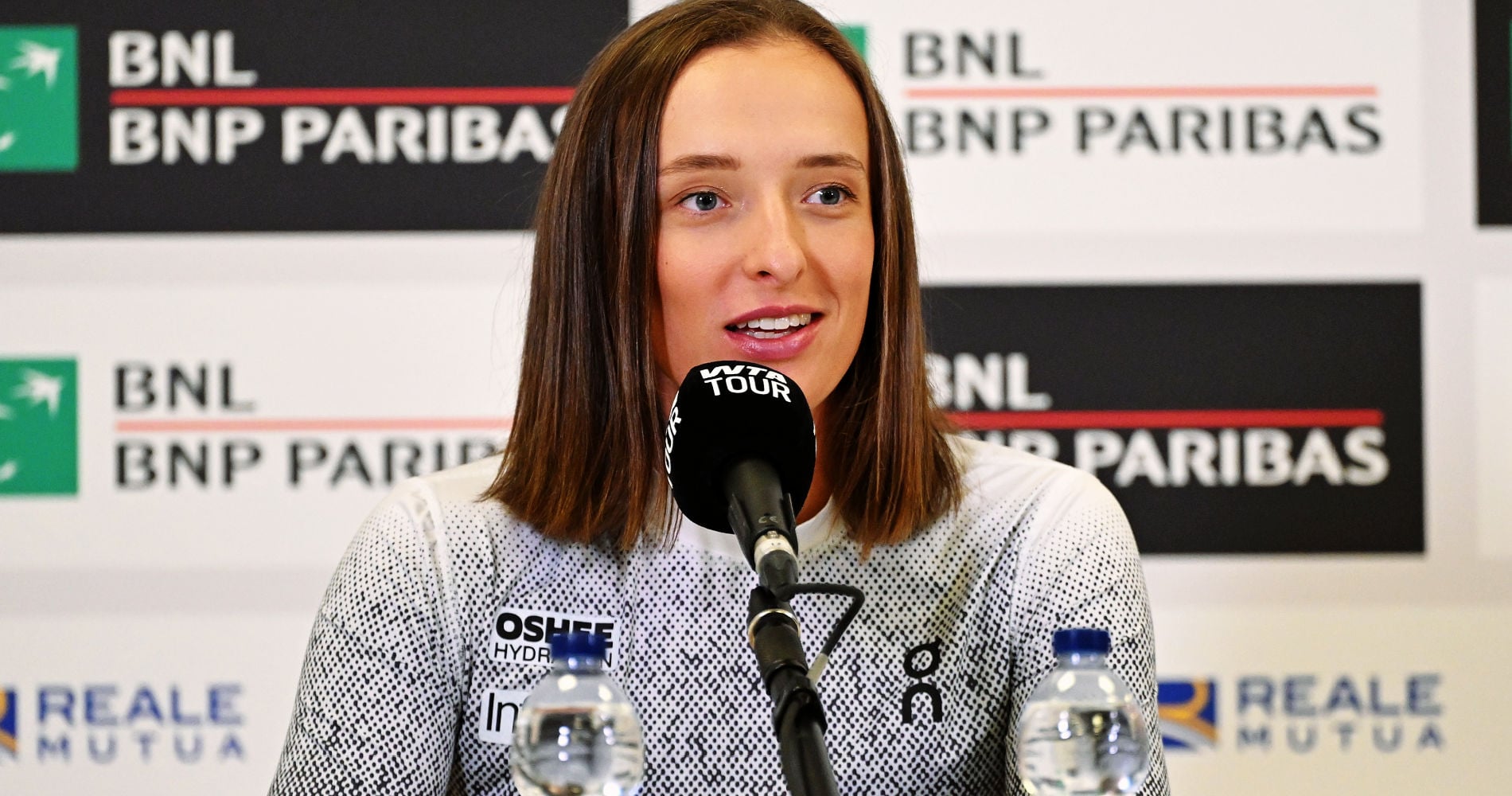
Rybakina also opened a front the joint statement did not address. “It’s not only on the Grand Slams and it’s not only about raising the prize money. A lot of people are not aware that there is taxes which are big. You even make more prize money, but you giving it all to the taxes.”
The tax burden on player earnings is a long-standing grievance. France and the United Kingdom in particular tax both prize money and a portion of endorsement income earned during a tournament’s residency period. For a player based in a low-tax jurisdiction, the effective take-home from a Grand Slam paycheck can be cut by 40% or more before agent and team costs are deducted. Rybakina’s point reframes the public counter-argument that top players are already richly paid: gross prize money and net income are not the same conversation.
What the FFT said — and what it didn’t
The boycott talk landed less than 24 hours after the FFT’s response. The the federation pointed to the €61.7 million purse, an 11%-plus increase for early-round and qualifying losers, the €400 million infrastructure investment in the Roland-Garros site between 2020 and 2022, and its non-profit status: “all revenue generated by the tournament is reinvested into Roland-Garros, as well as into the development of tennis in France and internationally.”
It also said it was “fully committed to ongoing dialogue with all stakeholders in world tennis and stands ready to engage directly with players.”
What the FFT did not address was the headline figure that opened the players’ Sunday statement: the projected fall of the players’ revenue share from 15.5% in 2024 to 14.9% in 2026. That number, not the headline prize money increase, is the engine of the dispute. As long as it remains unrebutted, the players have an arithmetical grievance the federation has yet to answer in its own terms.
Players are expected to meet again in Rome later this week. The next public pressure point is the All England Club’s prize money announcement, expected within the next month. Wimbledon’s response will determine whether this confrontation is with Roland-Garros alone or with all four Grand Slams combined.
Roland-Garros begins on 24 May.