“There is no one more selfish than a tennis player”: former Roland-Garros head shrugs off the Grand Slam boycott threat
Former Roland-Garros tournament director Guy Forget shrugged off the players’ Grand Slam boycott threat in an interview with French website Tennis Actu, dismissing the idea as “bizarre” and questioning the notion that the top players are pushing for higher prize money out of any genuine collective spirit. Forget, who ran the tournament from 2016 to … Continued
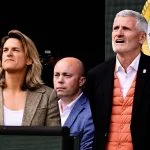
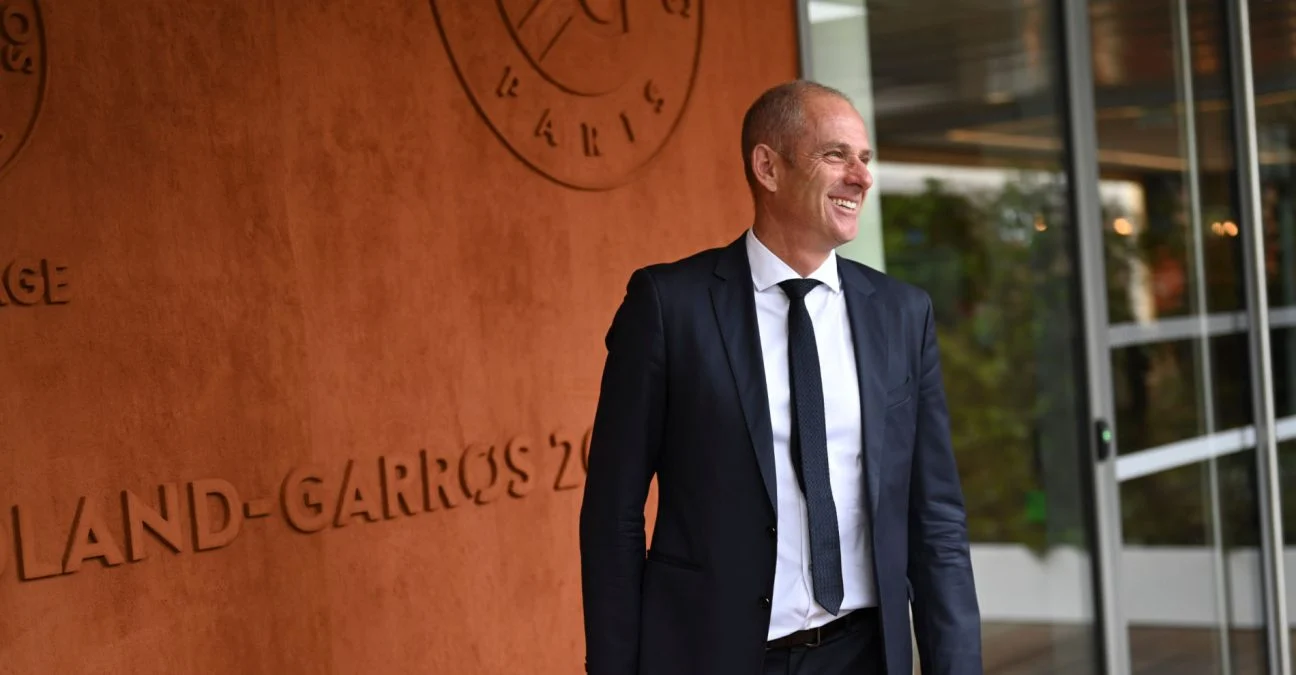 Guy ForgetGuy Forget, Roland-Garros 2019 | © JB Autissier / PsNewz

Former Roland-Garros tournament director Guy Forget shrugged off the players’ Grand Slam boycott threat in an interview with French website Tennis Actu, dismissing the idea as “bizarre” and questioning the notion that the top players are pushing for higher prize money out of any genuine collective spirit.
Forget, who ran the tournament from 2016 to 2021, stressed that he could now speak freely on the subject because he no longer holds the role.
His bluntest line came when he was asked whether the players’ argument that they were also pushing for the lower-ranked athletes was, in his view, hypocritical.
“Listen. The tennis player, perhaps like the golfer, plays an individual sport,” Forget said. “There is no one more selfish than a tennis player. They only think of themselves, only think of their own interests. And the people around you – agents, coaches, physical trainers, press officers – make their living thanks to you. They have every interest, at a given moment, in pushing you to earn more, more, more, more.”
Today, the players are surrounded by people who sometimes push them into clumsy positions.
He framed the prize-money debate as the consequence of a player’s entourage rather than a genuine collective movement. “Today, the players are surrounded by people who sometimes push them into clumsy positions, and into a certain greed too at times.”
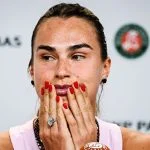
On the boycott option being raised by Aryna Sabalenka, Coco Gauff and others, Forget was unequivocal. “If today some of them want to – and it would be, in my view, a bizarre idea – boycott the tournament, they’re free to do it. But I can tell you that people will keep buying tickets and coming to Roland-Garros.”
“Happy to come, play one round and pick up €150,000 for losing in the second round”
“Roland-Garros is a celebration. It’s a mythical place, it’s a temple, the temple of clay-court tennis today. And I think three quarters of the players, if not nine tenths, will be very happy to come, play one round and pick up €150,000 for losing in the second round. They are pretty well paid, I would say, for two days’ work.”
Forget anchored the argument in numbers. The French federation, who runs the tournament, invested €350 million of its own funds, for which loans are still being repaid. “We’re not helped by the government, by the local authorities, in investing in our tool. So today, the federation has been managed that way, it takes initiative, it invests, and it is normal that it reaps the benefits.”
He added that prize money had climbed steadily without any need for collective action. “Over the last ten years, the prize money has more than doubled. That’s extraordinary. The prize money goes up by almost 15% every year. How many jobs do you know today where the salaried workers see their pay rise by 15% every year?”
To illustrate, Forget noted that first-round losers at Roland-Garros now earn €80,000 to €90,000. “The most mediocre player is going to earn that amount today for losing 6-1, 6-1 in 45 minutes.” And on the broader picture: “If Sabalenka has already earned, I believe, between four and five million dollars since the start of the season (4,020,272 per WTA numbers), it’s because before her, there were Martina Navratilova, Chris Evert, Steffi Graf – players who built the success of this tournament.”
‘Listen, I want this much.’ Well, here’s what we offer you. If you play, come and play your role. If you don’t want to come and play, someone else will take your place.”
The argument that the players are entitled to a percentage of revenue, the central plank of the Sinner / Sabalenka / Zverev case this clay swing, drew the firmest rejection. Forget compared the players to film actors. “To say today, ‘We feel we should have a percentage of the revenues’ – of a business that runs well but invests – would be like an actor saying: ‘Listen, I want this much.’ Well, here’s what we offer you. If you play, come and play your role. If you don’t want to come and play, someone else will take your place.”
Forget closed with a warning to the current generation. “Tomorrow, there will be other Sabalenkas, other players who will earn twice what she earns today. And at that point, I hope they’ll be smart enough to say: ‘We are lucky,’ rather than: ‘We don’t earn enough.’ If I were 20 years old, in Sabalenka’s place today, I would say thank you to Björn Borg, thank you to Roger Federer, for letting me live so well from the profession of tennis player.”
It is a pointed counter-voice in a debate that, until now, has run almost entirely the other way – with Sinner, Zverev, Sabalenka, Gauff, Djokovic, Opelka and others all backing the players’ position in the past week. Forget is the first former Slam tournament director to publicly push back on the framing. The Wimbledon prize-money announcement, due in the coming weeks, is the next test.