Zverev, Ruud, Jódar – or someone else? Roland-Garros set to crown a first-time Grand Slam champion
The eliminations of Jannik Sinner on Thursday and Novak Djokovic on Friday have stripped the men’s draw of its two natural favourites and of the last players carrying the experience of a Grand Slam title. A new champion will be crowned this week. Who? Analysis and the latest from beneath Court Philippe-Chatrier.
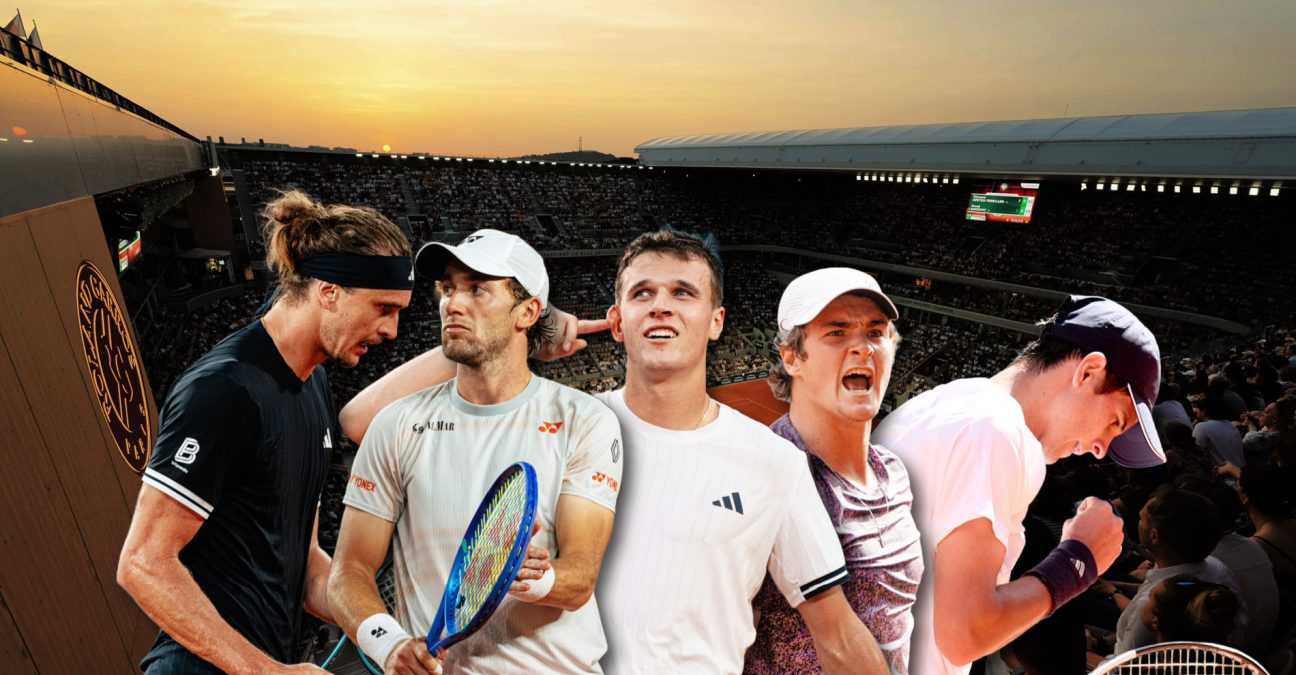 Who will win Roland-Garros 2026? | © SIPA / Tennis Majors

I haven’t often been taken for a madman in my life, but it has happened plenty over the past few months – every time the conversation turned to the dominance of Carlos Alcaraz and Jannik Sinner over the men’s game. As the two were stacking three Grand Slam finals in the same season, in 2025, on three different surfaces – flattening most known benchmarks along the way – I kept pushing back whenever I read or heard that they had no competition, that they would crush everything in their path, and that all of this would soon stop being interesting.
If any of that were a given, if sport were not, fundamentally, the act of exploring limits, pushing them, and sometimes crashing into them, we wouldn’t follow it with such curiosity.
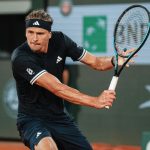
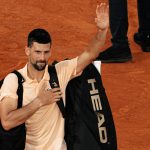
Here we are. A few months later, the Roland-Garros 2026 round of 16 will be played by sixteen men who have never won a Grand Slam title. As these lines are written — with several fourth-round matches still to come on Saturday — twenty-four players remain in the draw, each of them able to imagine being the one to open their major account on 7 June.
It has taken a lot to reach this point. Just consider that 34 Grand Slam trophies were still in play at the semi-final stage of the most recent major, the Australian Open (24 for Djokovic, 6 for Alcaraz, 4 for Sinner), and 30 even in the final (Alcaraz–Djokovic).
In Paris, Alcaraz withdrew with a wrist injury, Sinner was undone by heat exhaustion in the second round (despite his own denial), and Djokovic admitted that his body is now steadily eroding his chances of adding a 25th title, almost three years after his last at the 2023 US Open.
The picture also reflects the age of three-time Grand Slam champion Stan Wawrinka (41), seen at Roland-Garros for what is likely the final time this year, and the early exits of Daniil Medvedev (2021 US Open) and Marin Čilić (2014 US Open).

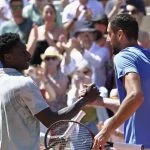

We’ll work through every candidacy with three blunt questions: what are their chances of getting there? What would it mean for their career arc? And what reference points do we have to project their success?
The favourites: Zverev and Ruud
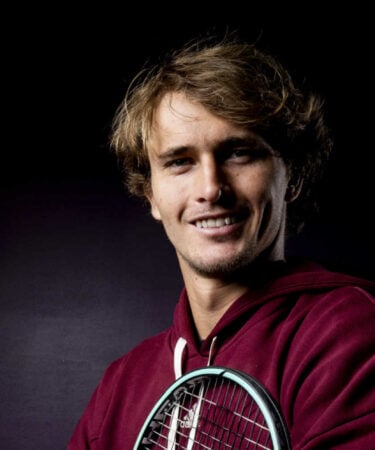
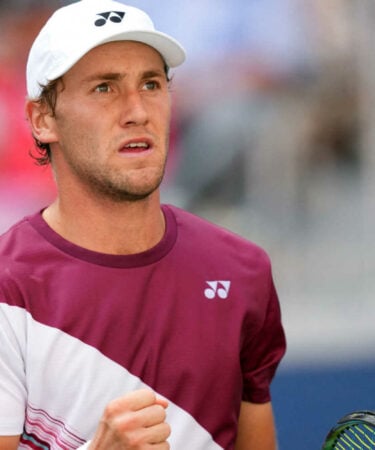
Alexander Zverev (28, ATP No. 3, seeded second) and Casper Ruud (26, ATP No. 15, seeded 15th) are the only players in the draw who have reached three Grand Slam finals and can realistically picture themselves breaking through their ceiling here.
At the risk of surprising readers, Ruud looks to us a step ahead of the German. His clay-court IQ is sharper. He doesn’t make a habit of letting his chances slip away (witness his Madrid final against Jack Draper in 2025), and this time he won’t be facing Alcaraz (his Miami and 2022 US Open conqueror), Djokovic (Roland-Garros 2023, 2022 ATP Finals) or Sinner (Rome 2026) — the rivals who have shut every one of his big finals so far.
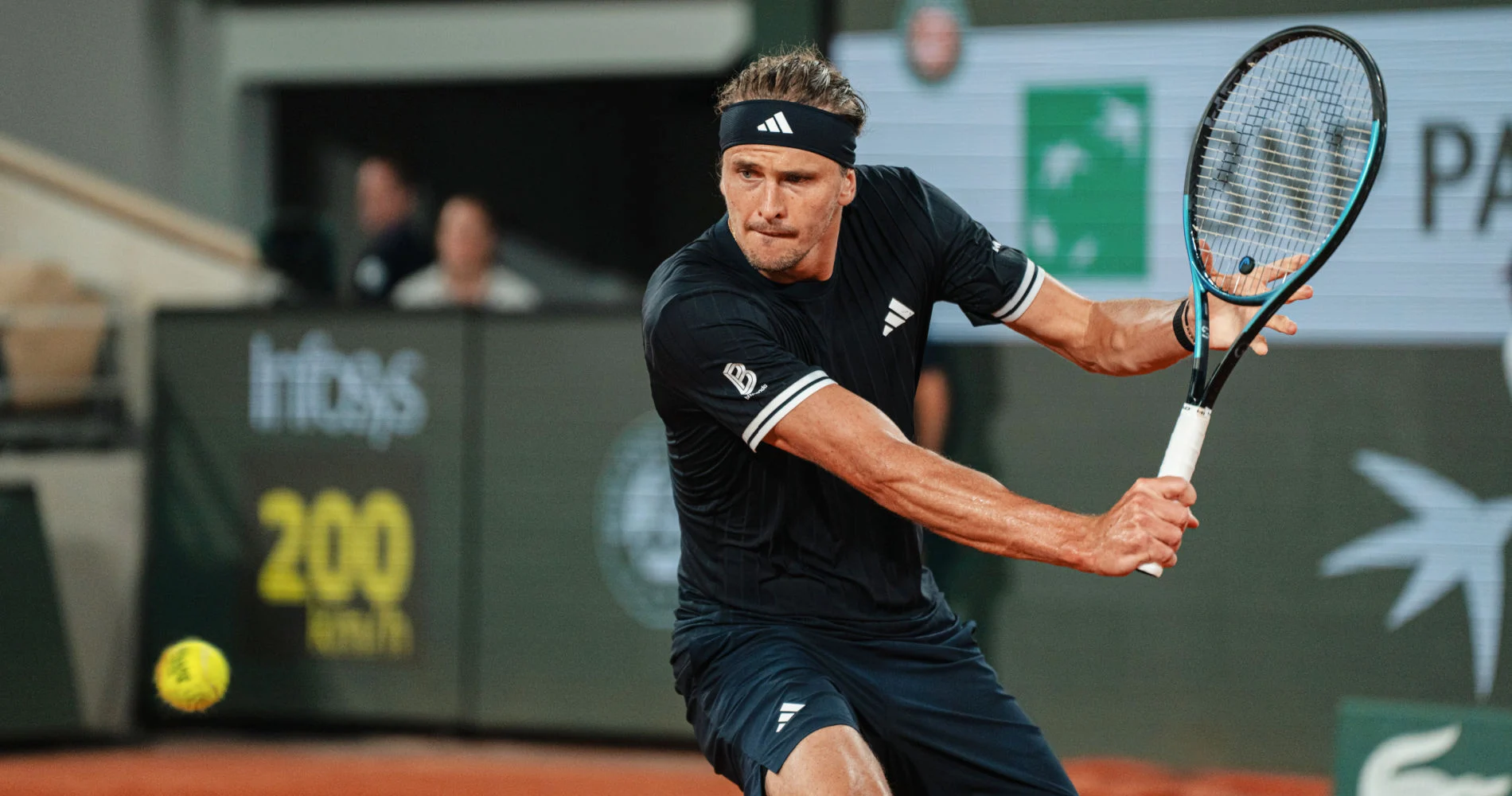
He’s spent serious energy getting here (two five-setters in three rounds), but his level since Rome has been formidable. His quiet determination and his permanent clarity have no reason to abandon him now. One caveat: a dangerous fourth-round meeting with João Fonseca awaits.
Zverev, on paper, remains the headline favourite — second seed, world No. 3, and openly, almost ravenously, set on closing his career with a major. He’s been carrying for half a decade now the (deserved) reputation of being the best player in history never to have won a Grand Slam. And aside from a mishap in Rome against Luciano Darderi — actually beneficial for his freshness — he has been blocked at every turn by Alcaraz and Sinner since the 2025 US Open, where his run was ended by Félix Auger-Aliassime.
In light of that match in particular, we have seen him fail to seize his moments too often, even in finals (two sets to one up on Alcaraz at Roland-Garros 2024, two points from victory against Dominic Thiem at the 2020 US Open), to confidently call him the best-placed man to lift the Coupe des Mousquetaires. He looks safe in his fourth-round meeting with Jesper de Jong.
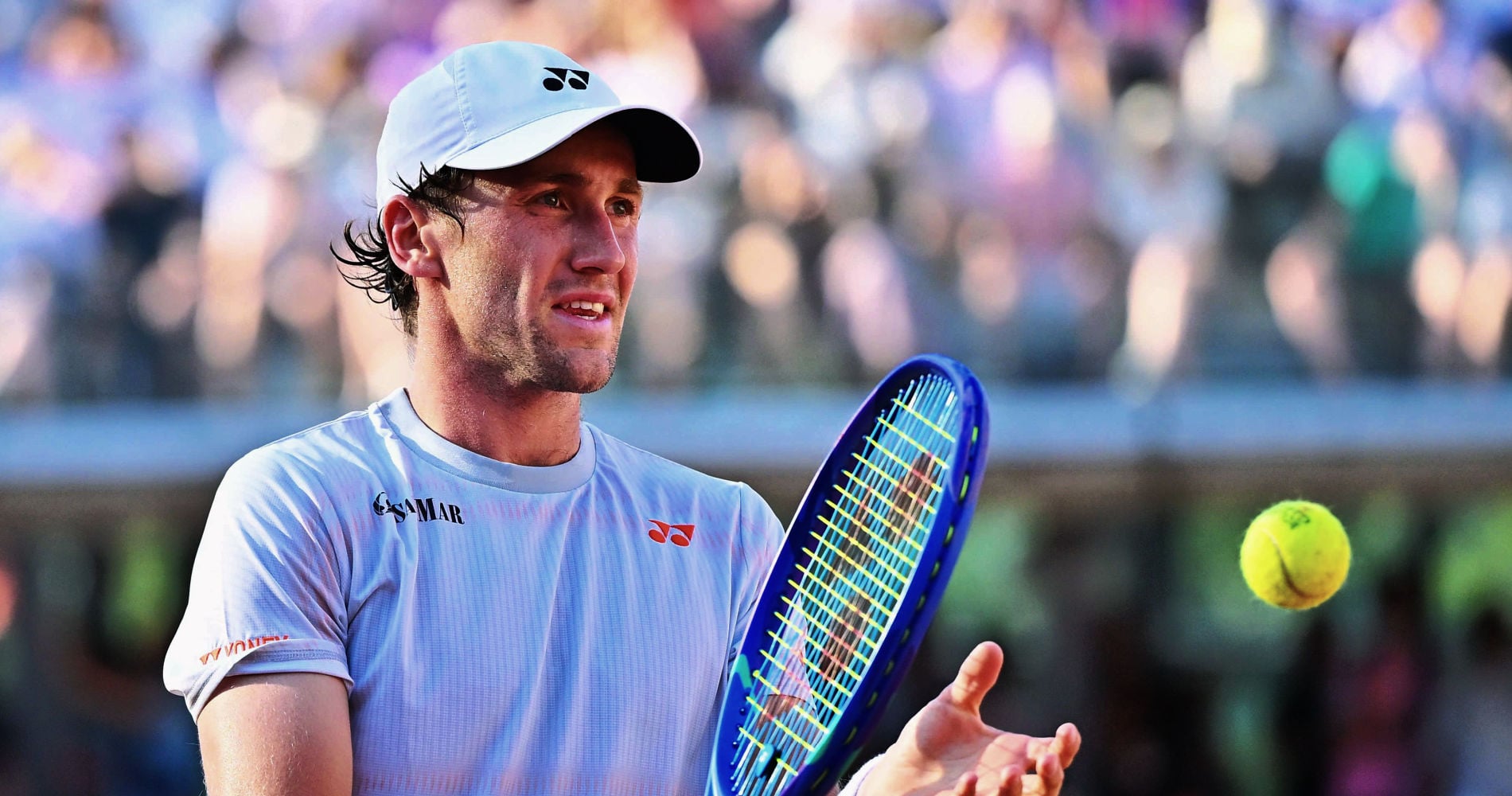
The dark horse: Auger-Aliassime
On paper, he’s the favourite from the top half of the draw — fourth seed, world No. 5. Despite a sluggish start to the tournament, the Canadian Félix Auger-Aliassime (25), who pushed Rafael Nadal almost like no one else in their fourth-round meeting here in 2022, has every reason to finally break through the Grand Slam semi-final ceiling he reached at the US Open in 2021 and 2025, and at the 2022 Australian Open.
As he put it himself, “there’s a lot of tennis left to play” before the 2025 UTS Nîmes champion can claim glory on Parisian clay — he, who loves playing in France so much, and who was runner-up at the most recent Rolex Paris Masters.
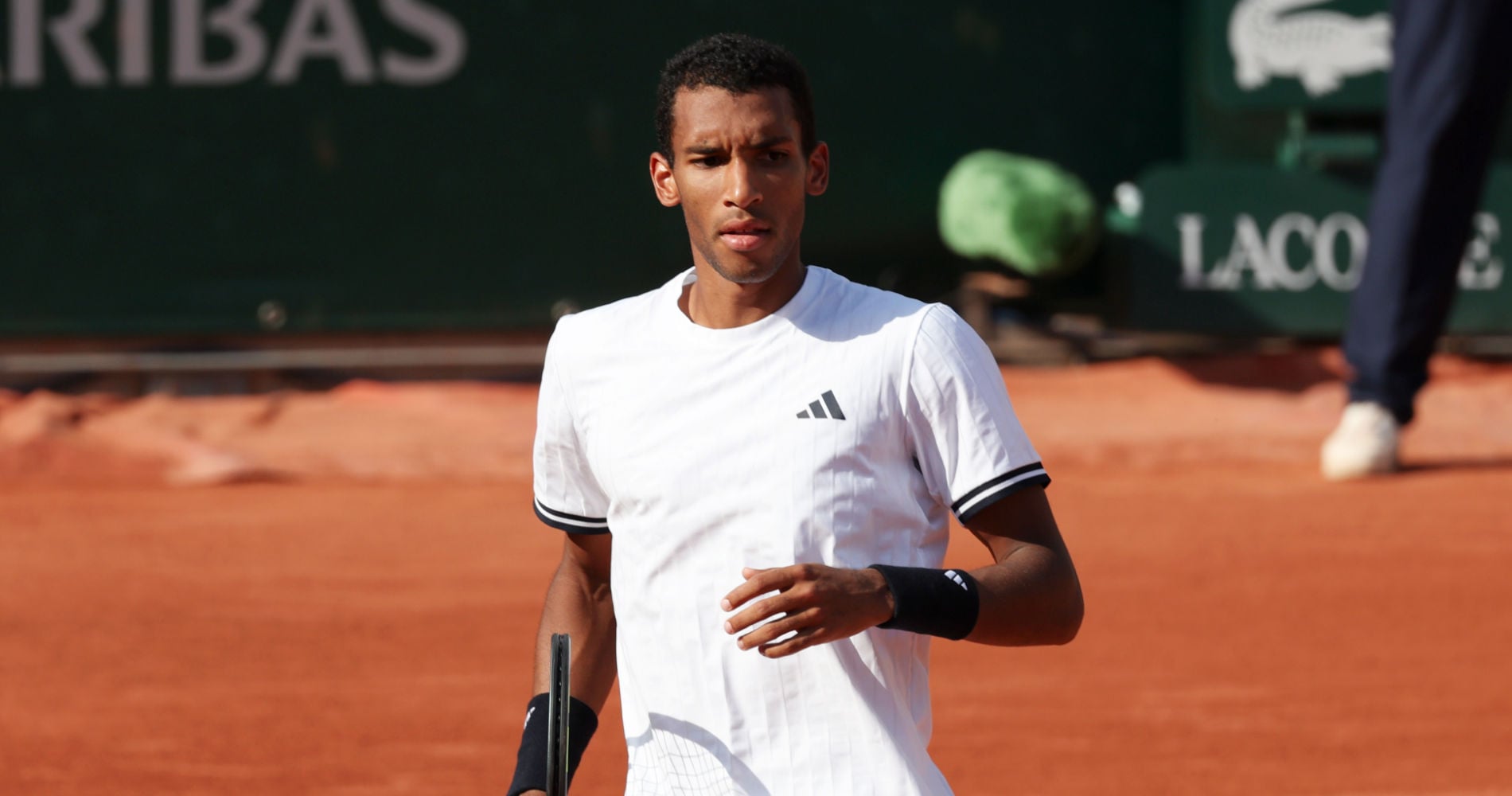
- The specialists: Jódar, Cobolli, Fonseca
Their names have been circulating heavily over the past 48 hours, as the draw has opened up. On paper they look far from a first major title, but history has often smiled on lone knights reaching the summit ahead of schedule — sometimes as a marker for the future (Nadal at Roland-Garros 2005, Alcaraz at the 2022 US Open), sometimes because the fortnight simply became theirs and they proved irresistible when it mattered (Marin Čilić at the 2014 US Open, Juan Martín del Potro at the 2009 US Open — to say nothing of Gustavo Kuerten at Roland-Garros 1997).
There are reasonably three such specialists in this draw:
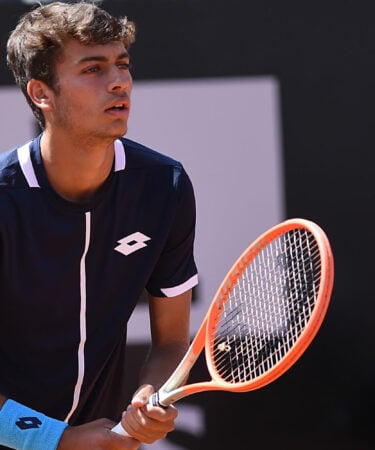
Rafael Jódar (19, ATP No. 27, seeded 27th) is the comet of the 2026 clay season, which he started early by winning his first ATP title in Marrakech before reaching the Barcelona semi-finals and the Madrid and Rome quarter-finals. At 19, ranked 700th in the world only a year ago, and having come within a set of defeat in the third round against Alex Michelsen, nothing is guaranteed. But his power and his clay-court ease make him a de facto member of the favourites — provided the pressure keeps lifting him rather than crushing him. The carrot ahead: an explosive quarter-final clash with Zverev, if both men come through.
Flavio Cobolli (24, ATP No. 10, seeded 10th): an excellent clay-courter and Munich finalist, the Italian is still chasing his Grand Slam moment. Italy’s second-best player feels ready to pounce. He isn’t the favourite, but he won’t be easy to beat — and his third-round match against Learner Tien will be anything but a formality.
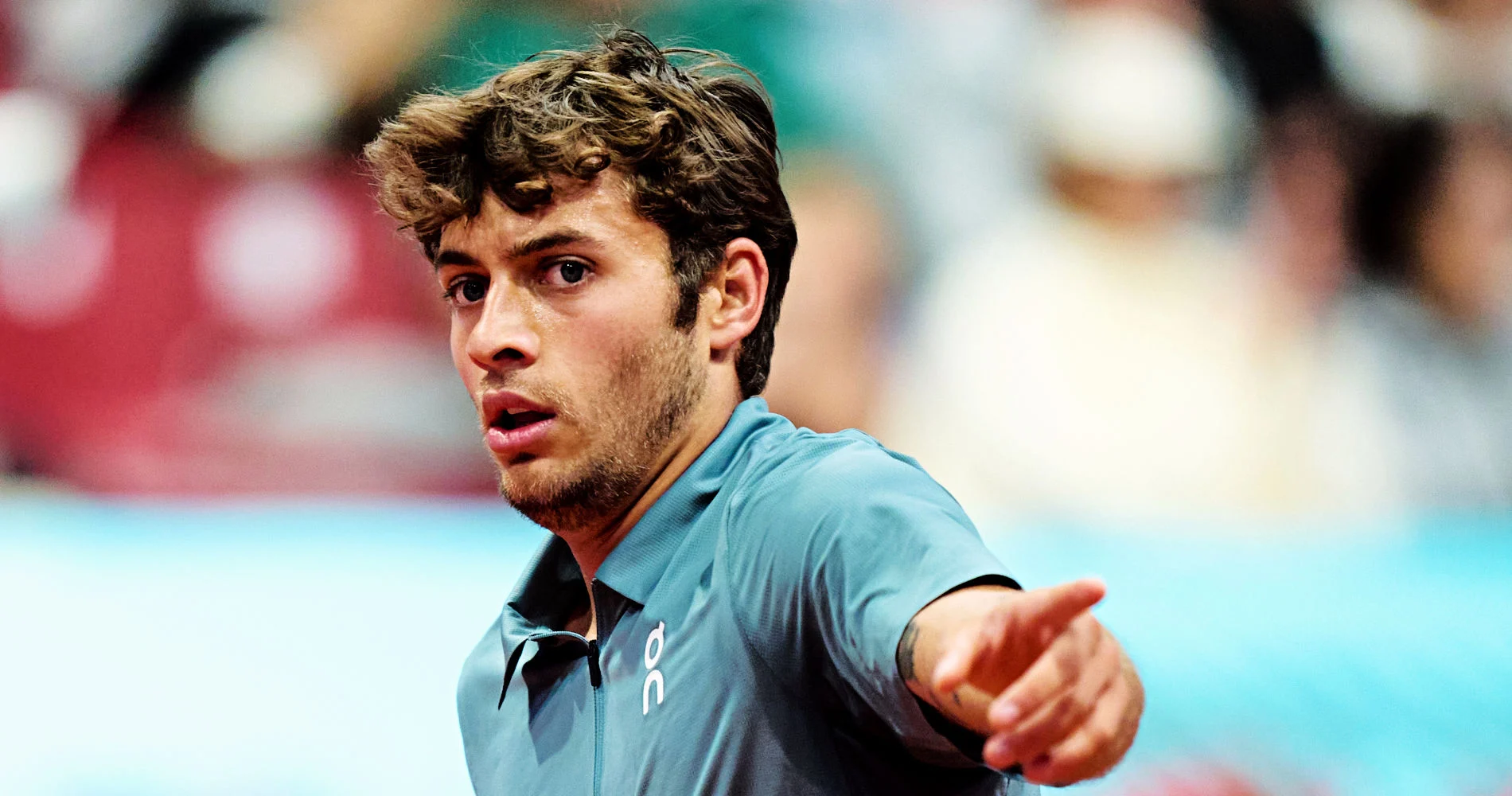
João Fonseca (19, ATP No. 28, seeded 28th): the Brazilian teenager who took out Djokovic is the prototype of the modern, all-court power player. Champion in Buenos Aires in 2025, he has taken just slightly longer than expected to deliver on the promise he showed when he eliminated Andrey Rublev in the first round of the 2025 Australian Open. But after beating Djokovic in five sets with the level he reached late on Friday night, he enters the category of players for whom nothing seems out of reach. If he defeats Ruud in the fourth round, the question of his level will no longer be a legitimate one.
The future stars: Mensik and Landaluce
The Czech Jakub Menšík (20, seeded 26th) has Grand Slam champion written all over him — though presumably on hard courts. Visibly exhausted after his second round, he still found a way to dismantle Alex de Minaur and book a fourth-round meeting with Zverev. He won Miami in 2025 to widespread surprise, and has learned to set himself no limits. Wide-open fourth round ahead against Rublev.
The Spaniard Martín Landaluce (20, ATP No. 99) belongs to the Jódar generation and, like him, is rising fast this season. A Miami semi-final and a Rome quarter-final make him an extraordinarily dangerous opponent for anyone over the fortnight. If he clears another step here, he’ll be a serious Grand Slam contender going forward. He can, at the very least, take Sinner’s place in the draw if he beats the man who eliminated him, Juan Manuel Cerúndolo.
The veterans: Rublev and Berrettini
We’ve seen them in better form, but they’ve made strong impressions here and have every reason to seize their share:
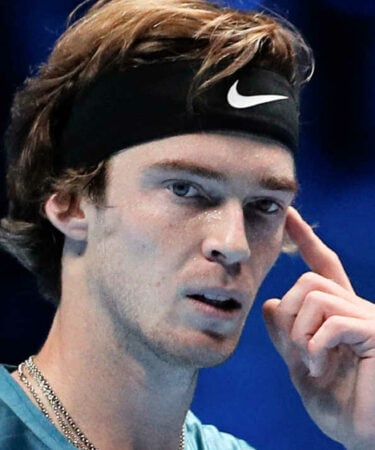
Andrey Rublev (28, ATP No. 11, seeded 11th) has never reached a Grand Slam semi-final. He was closest at Roland-Garros 2022, when he was the favourite in his quarter-final against Marin Čilić. A two-time clay-court Masters 1000 champion (Monte Carlo 2023, Madrid 2024), he will be tough to beat. All the pressure will be on him in his fourth round against Menšík.
Matteo Berrettini (30): sidelined by a string of injuries, the Italian is resurfacing at the right moment. Memories of his heroic 2021 quarter-final against Djokovic and his Wimbledon final the same year are a reminder that he knows how to build a deep Grand Slam run and sell his skin dearly to the very best. He is the favourite in his third round against Federico Coria.
The unlikely candidates
Pablo Carreño Busta (34, ATP No. 93) has reached Grand Slam semi-finals before — at the US Open — but his return to this level has something miraculous about it. We’ll revisit his candidacy if he gets past Jódar in the fourth round.
Jesper de Jong (25, ATP No. 88) is in the round of 16 of a Grand Slam he had been knocked out of in the final round of qualifying. He took advantage of Arthur Fils’s withdrawal to slip into the draw and bite into the first week. No lucky loser has ever won a Grand Slam — and we’re not convinced he’ll be the first.
The candidates-to-be-candidates
We’ll wait for the third round on Saturday before assessing their cases:
Arnaldi
J. M. Cerúndolo
Comesaña
Collignon
Faría
Kouamé
Nakashima
Svajda
Tabilo
Tien