The US Open has an identity problem. Does it want to be known as the best, or just the richest?
Influencers, weed, late nights and creaking infrastructure means new CEO Craig Tiley has a lot of work to do to restore the US Open as pride of place
 US Open 2026, fan week | © Anthony Behar/Sipa USA

When Craig Tiley made the decision to leave the Australian Open behemoth he had helped create to take on the US Open CEO job this summer, he probably saw unlimited possibility. After all, the US Open brings in more revenue than any of the grand slam events, so money is not a problem.
In the few weeks he’s been in charge, Tiley has already given the players record prize money, responding to their push for more that had brought protests at both Roland-Garros and Wimbledon. He acted quickly and decisively.
The task for Tiley is primarily to grow the game in the United States. But the US Open is an enormous part of his job, too, and as we enter week two of the 2026 event, he may be realising that the US Open has acquired something of an identity problem.



Once upon a time, the US Open seemed like the most exciting place on earth. Late-night tennis was thrilling, fans got involved in matches, the smell of burgers was a unique part of things. But this year’s event seems to have shown that the US Open is searching for an identity, unsure exactly what it should be.
In the past few years, the US Open let more and more people in through the gates, which is great. Last year saw a record number of visitors over the three weeks, with $1.14 million, including fan/qualifying week, when tickets were free.
$340 on day one for the grounds passes
But for the two weeks of main draw competition, everything at the US Open is incredibly expensive. The week before the US Open began, there was something of a furore over the ticket prices, especially for grounds passes, which were going for more than $340 on day one, on the resale market. The face value of those tickets is just $65 but fans, or perhaps bots and organised groups, snapped those up immediately and put them up for resale straightaway, at more than five times the price. That’s for a grounds pass, which costs £33 ($44) at Wimbledon, AUD $49 ($35) in Melbourne and 39 euros ($45) at Roland-Garros.

Unlike Australia, the UK and France, the US does not have any rules to restrict ticket resales, and in fact, the USTA takes a cut of the resale price, so they’re making plenty of money from it. Amid the criticism, Tiley and New York mayor Zohran Mamdani joined forces to offer 1,000 grounds passes at $100, which is good, but only a first step.
Once inside the grounds, prices are extortionate. The signature Honey Deuce vodka cocktail is actually the only thing that has not escalated in price in recent years, sticking at $23, but food has risen sharply. A warm pastrami roll/sandwich, for example, will set you back $30.
Weed, influencers and $30 pastrami roll/sandwich
A family of four, then, buying grounds passes on resale and then buying food and drink inside would probably pay well over $1000 for the day. The obvious worry, then, is that average-earning families will be priced out of seeing US Open tennis.
If the tickets are a big problem, the tournament has thrown up numerous other issues, with the smell of weed ripping around the venue competing with the behaviour of a few influencers and a series of late nights competiting for headlines. Though fans are not allowed to smoke inside the grounds, marijuana is legal in New York, so that’s going to happen, especially as the venue is next to a big park.
This year, the tournament gave 100 influencers a media credential, up from 54 the previous year, and this year, allowing them access to media rooms and press conferences, though they are not allowed to actually request an interview with a player. Most of those 100 have behaved impeccably, and the tournament clearly appreciates the large online audience they bring.
“Bit of a zoo”
But other influencers, mostly invited by major brands, have drawn negative attention by their lack of understanding of how to conduct themselves during tennis matches, taking photos with flash, using lights on their phones to take selfies while play is going on and generally not adhering to the etiquette. Some of this is not their fault – it’s on the US Open to provide them with guidelines – but the perception is that they’re not there for the tennis, which is not so good.
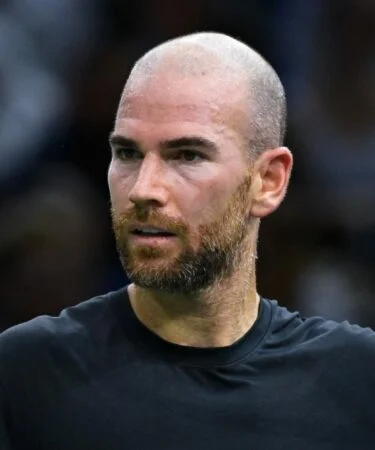
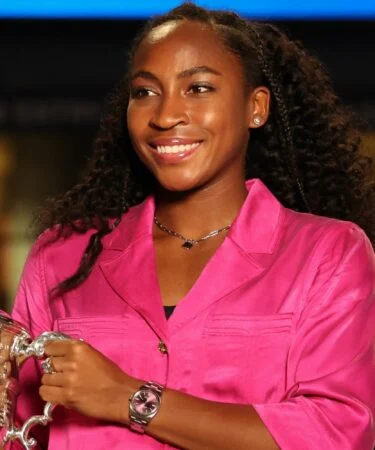
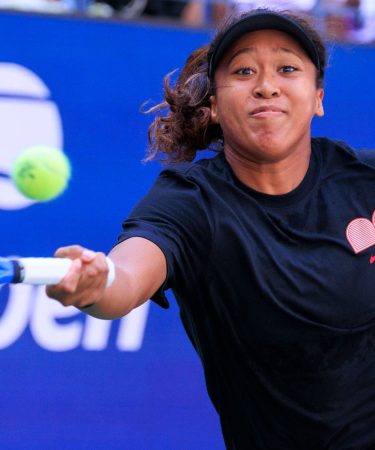
Adrian Mannarino said the US Open had become a “bit of a zoo” while Naomi Osaka said influencers should do a bit of research before coming to the tennis. Even Coco Gauff, who largely welcomed any extra interest in the game, had some advice for the newcomers.
But like with anything, any venue you go to, like if you’re being invited to a red carpet, you wouldn’t show up in jeans
“I definitely think it’s cool to have a new demographic and I definitely think it helps grow the sport,” she said. “But like with anything, any venue you go to, like if you’re being invited to a red carpet, you wouldn’t show up in jeans. I think it’s just follow the etiquette of the sport. That’s all.”
In an press conference on day one, Tiley said he envisaged attending the US Open in future years as being like Disneyland. Having transformed the Australian Open, he no doubt would love to make the US Open the biggest and best event on the planet.
But while the row with players over prize money has abated for now, thanks largely to his giving them a 20 percent rise on last year and a record purse of $108 million, he has some work to do on how the tournament is perceived.
Facilities for the media are in transition and in 2027, they should be far better, but this year, the assembled press have had to deal with sub-standard working conditions not befitting the US Open. Parts of the ceiling fell in during week one, and even on court, the photographers have had to put up with a foul smell of sewage coming up from under the court, near their pit and near the players’ box at one side. Throwing chemicals down the hole didn’t help. As said, things will be changing next year.
The schedule has also come under fire, with six of the first seven nights finishing well beyond midnight, including three past 2am and one ending a 1.55am. Late nights used to mean fun in New York and some of the crowd were still there at the end but tennis is the only sport where its stars play into the early hours, which is detrimental to their efforts and those of everyone else involved, from coaches to staff, ball boys to media.
a balance to strike
The US Open has always led the way on equality and want to ensure that men and women get equal billing, so it’s unlikely they will move away from having one men’s match and one women’s match in the night session. But with the length of matches continuing to grow, they may well have to try an earlier start time to get things done by a reasonable hour. The odd 1am finish is OK but when it becomes the norm, something’s going wrong.
The USTA’s remit is to grow the game and since most of its revenue comes from the US Open, it’s totally logical they should be trying to make as much money from it as possible. But they also need to consider the bigger picture, the longevity of players, the experience of fans and people working at the event.
It’s a tough balance to strike when profit has been the bottom line for so long. A few simple tweaks can improve the experience, make the US Open more accessible and more affordable and a better day out. That’s both an opportunity and a challenge for Tiley in the years to come.