“Give us a little time”: Roland-Garros plays down boycott fears as prize-money talks roll on
Roland-Garros leaders Amélie Mauresmo and Gilles Moretton have addressed player unrest regarding prize money, playing down initial boycott fears. They insist talks are progressing, focusing on a fair percentage of revenues and welfare contributions, particularly for lower-ranked players, while acknowledging the need for more time.
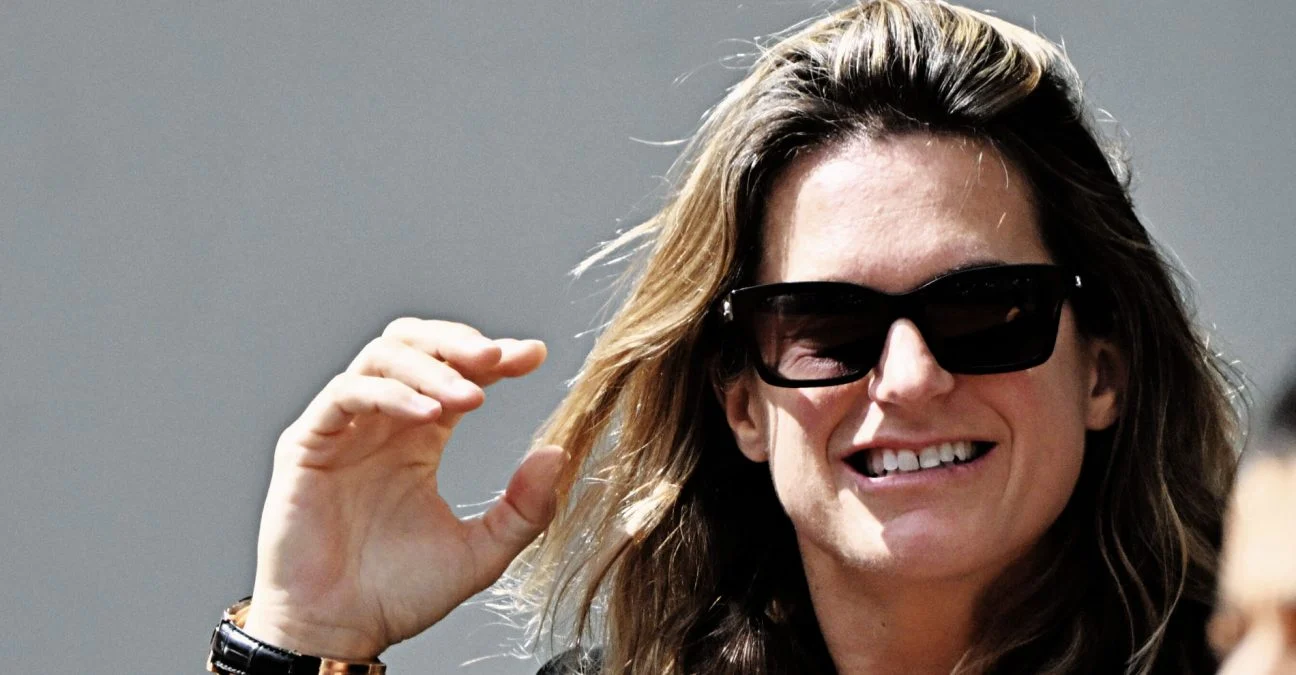 Amélie Mauresmo, Roland-Garros 2026 | © PsNewz

A Roland-Garros that opened under the shadow of player unrest, with the word “boycott” raised before a ball was struck, closed with its two leaders insisting the dispute is moving, slowly, towards resolution.
Asked at the end-of-tournament press conference whether players might again brandish such threats a year from now, tournament director Amélie Mauresmo said she was not worried. The lines of communication, she said, were open, even if substantive progress had been limited during a busy fortnight. “We’ll move forward more after the tournament on the real content of what will be discussed with the players or their representatives,” she said, confirming the latest information published by Tennis Majors about the takeaways from the pre-tournament meeting.
Her framing of the path ahead was mutual: “Each side must take a step towards the other, understand the [different] models.”


The gap she is trying to bridge is a wide one. The players’ representatives are pushing for 22% of total Grand Slam revenues to be allocated to prize money by 2030, reached by gradual annual increases; current figures sit somewhere between 13 and 15%. On top of that, they are seeking a welfare contribution – broadly, social protection – rising to 12 million dollars per Grand Slam by the same date. Mauresmo’s careful language reads as the search for a landing point somewhere in between.
Sabalenka’s clarification
What became clearer as the tournament went on was that the players’ campaign was less about the top earners than about the rank and file. Aryna Sabalenka, among the game’s highest earners, drew the line plainly. “Prize money, it’s not about me at all,” she said. “It’s just fighting for the lower-ranked players who are really struggling to survive in this tennis world. Everyone knows that I’m okay. We are fighting for a fair percentage out of the revenues, and also for the lower-ranked players, players coming back after injuries, the next generation, to be more comfortable coming into the top 10. So it’s not about me.”
It was a framing that had not been nearly so clear when the players’ letter first landed at the start of May.
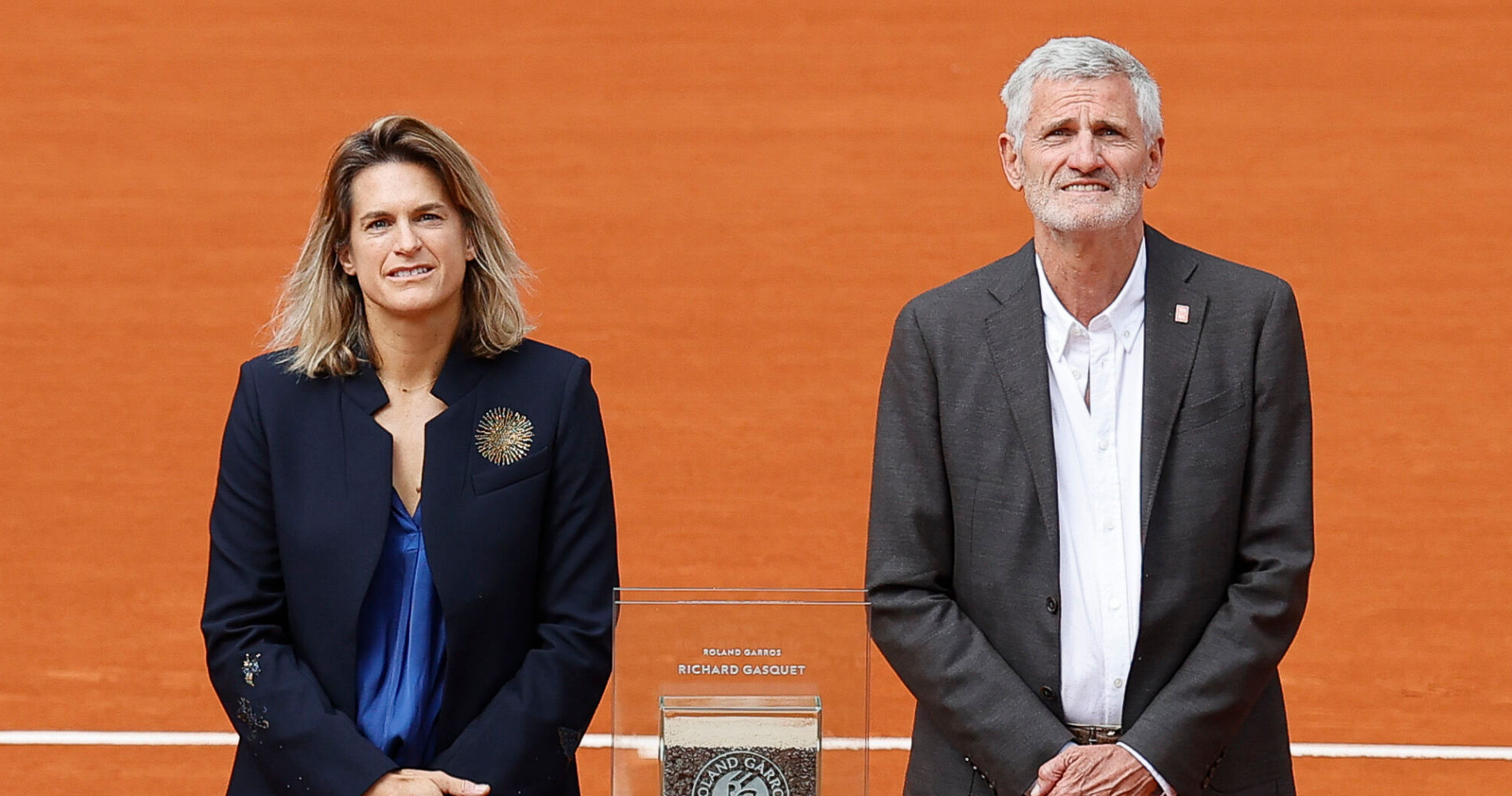
FFT president Gilles Moretton was at pains to distinguish Roland-Garros from the commercial tours driving some of the discontent. “We speak only in the name of Roland-Garros, let that be clear,” he said. He set the federation’s non-profit structure against “certain commercial tournaments… sold, with shareholders taking money out,” and framed the relationship with players as “a win-win logic.”
Non-profit organisers
All four Grand Slam organisers are, in fact, non-profit or not-for-profit bodies: the FFT in Paris, the USTA in New York, Tennis Australia in Melbourne, and — through its members’ club and the proceeds it channels to British tennis — the All England Club at Wimbledon. None has external shareholders drawing dividends; their surpluses are, by design, ploughed back into the development of the sport. When Moretton invokes “tournaments sold, with shareholders taking money out,” he is not describing his fellow majors. He is describing the layer beneath them – the tour-level events and commercial structures that have, in recent years, taken on outside investors.


Read that way, his words are less a defence than a redirection. By drawing the line between the federations that run most of the Slams and the investor-backed machinery of the wider tour, Moretton is, diplomatically, inviting the players to aim their grievance elsewhere – at the ATP and the WTA, and the commercial interests now woven through them, rather than at Roland-Garros. But he asked for patience: “It needs time. We’ve been talking about this a long time – you have to give us a little time.”
Mauresmo put numbers behind the federation’s case. Prize money, she noted, had risen by nearly 10%. And she pushed back on the premise that players are short-changed, citing the structural maths: the Grand Slams together account for around 50% of a top-100 player’s annual prize money, she said, earned across only eight weeks for those who go deep. “Many players, men and women, are very satisfied with what’s happening,” Mauresmo added. From there, it is not a reckless leap to suspect the FFT’s position on the issue may prove a fairly conservative one.